








First, What Is Intermittent Fasting?
Intermittent fasting isn’t a diet in the traditional sense; it’s an eating pattern that cycles between periods of eating and fasting. Instead of telling you what to eat, it tells you when to eat. The most popular methods include the 16/8 plan, where you fast for
16 hours and eat within an 8-hour window, and the 5:2 diet, which involves eating normally for five days a week and restricting calories on two non-consecutive days. The core idea is that by extending the time between meals, your body has a chance to burn fat for energy. Many find the 16/8 method the simplest and most sustainable place to start.
The Adherence Challenge: Why People Stop
While the concept is simple, sticking to IF can be difficult. Studies show dropout rates can be significant, sometimes as high as 38% in some trials compared to other diet plans. A primary barrier is social pressure. Food is central to connection, and declining dinner invitations or navigating family meals during a fasting window can be isolating and awkward. Friends and family may not understand and see your refusal to eat as a rejection of their hospitality. Beyond social events, work schedules and family life also present major hurdles. The rigidity of a fasting schedule doesn't always align with the unpredictability of daily life, making long-term adherence a significant challenge for many.
Understanding the Mental Load
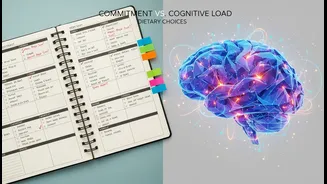
The mental load of intermittent fasting is the cognitive and emotional energy spent managing the eating pattern. It’s the constant clock-watching, planning meals around your eating window, and fighting the urge to eat when you feel hungry or are faced with temptation. This can lead to decision fatigue, where the constant self-control depletes your mental resources. Some studies suggest short-term fasting of 12 hours or less doesn't significantly impair cognitive function for most adults. However, for some individuals, the preoccupation with food and eating schedules can become obsessive, potentially triggering disordered eating behaviours like bingeing and restricting. The mental toll also includes feelings of guilt or failure if you break your fast, which can sour your relationship with food.
Is It a Diet or a Lifestyle?
For intermittent fasting to be sustainable, it needs to transition from a rigid 'diet' to a flexible lifestyle. This means moving away from an all-or-nothing mindset. The key to long-term success isn’t perfect adherence, but consistency and flexibility. It’s about building your eating window around your life, not the other way around. If you have a special occasion, you adjust your schedule without guilt. This flexibility is what allows many to maintain the practice long-term. In fact, some studies show that many people continue with time-restricted eating even after a formal study ends because it becomes an integrated habit. The goal is to find a rhythm that feels supportive, not restrictive.
Strategies to Lighten the Load
If you’re considering IF, there are ways to reduce the mental burden and improve your chances of sticking with it. Start with a less aggressive fasting window, like 12 or 14 hours, and gradually extend it. Prioritise hydration, as thirst is often mistaken for hunger. Plan your meals to avoid decision fatigue during your eating window, focusing on protein and fibre to stay full. Most importantly, be flexible. Adjust your schedule for social events or if you're feeling unwell. One off-plan meal does not negate your progress. Listening to your body's cues and protecting your sleep are also crucial; if fasting is consistently disrupting your sleep, the stress may outweigh the benefits.