






The Urban Wildlife Challenge
Rapid urbanisation in India has fragmented natural habitats, turning parks and green spaces into isolated islands. For wildlife like sparrows, mynas, butterflies, and bees, moving between these pockets to find food, water, or a mate is a perilous journey
across a sea of concrete, traffic, and pollution. This habitat loss threatens their survival, with studies showing a decline in many bird species in urban areas. While some generalist species like rock pigeons adapt, many specialist birds and insects struggle to find the specific plants and environments they need.
From Isolated Patios to Green Highways
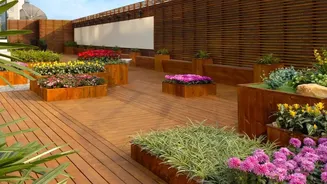
This is where the concept of a 'wildlife corridor' comes in. Think of it as a series of connected green pit stops. While large-scale corridors are being planned in some regions, like near Delhi's Asola Bhatti Wildlife Sanctuary, a network of small, private gardens can serve a similar purpose on a micro-scale. A collection of balconies, terraces, and window sills filled with the right plants can act as 'stepping stones' for wildlife. One balcony alone may not be a forest, but thousands together create a functional green network, allowing birds and insects to travel safely across the city.
What to Plant: A Starter Guide for Your Wildlife Cafe
The key is to use native plants, which local wildlife is adapted to. Start with a simple formula: host plants, nectar plants, and fruit-bearing plants. Host plants, like curry leaf (Murraya koenigii) for the Common Mormon butterfly or milkweed (Asclepias curassavica) for monarchs, provide a place for butterflies to lay eggs. Nectar-rich flowers like marigolds, hibiscus, and jasmine attract adult butterflies, bees, and birds. Finally, shrubs or small trees that produce berries, such as Indian gooseberry (amla), offer a food source for songbirds.
More Than Just Plants: Create a Full-Service Haven
A thriving wildlife garden offers more than just food. One of the most important additions is a simple, shallow bowl of water. This can serve as a vital water source and a bath for birds, especially during hot summers. Another easy step is to avoid pesticides. Allowing some 'weeds' to grow and leaving a small pile of leaves and twigs in a corner creates shelter for insects, lizards, and other beneficial creatures. Studies have shown that gardens that embrace this slightly 'messy' approach host significantly more biodiversity than perfectly manicured ones.
The Ripple Effect of a Single Pot
Starting a small wildlife garden does more than just help animals. It contributes to local biodiversity, aids in pollination for urban vegetable gardens, and can even help reduce the 'urban heat island' effect. For families, it's an incredible educational tool, bringing nature right to your doorstep and fostering a connection with the local ecosystem. Citizen-led initiatives, from Bengaluru's community gardens to terrace farms in Mumbai, show a growing movement to green our cities from the ground up. Your small garden isn't just a hobby; it's an active part of making our cities more resilient and liveable for all species, including our own.