


The Global Palate: Sushi's Big Moment
Once a delicacy confined to five-star hotels, Japanese cuisine, and particularly sushi, has dramatically entered the mainstream. This isn't just a food trend; it’s a cultural shift. Propelled by global travel, the internet, and pop culture phenomena like
anime, a generation of Indians now craves the clean, fresh flavours of sushi, ramen, and matcha. Restaurants and delivery services in metros and even Tier-2 cities like Jaipur and Lucknow are capitalizing on this, offering everything from authentic raw fish preparations to localized versions with paneer or chicken tikka. The appeal lies in its perception as a light, healthy, and sophisticated alternative to heavier traditional meals, representing a diner who is well-travelled and curious. Experts note that for a rice-eating nation with a vast coastline, the core components of sushi were never entirely foreign, making its adoption feel natural once the cultural bridge was built.
A Return To Our Own Backyard
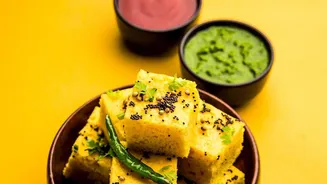
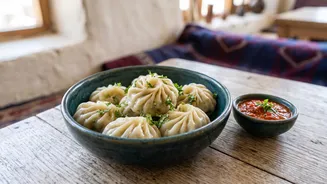
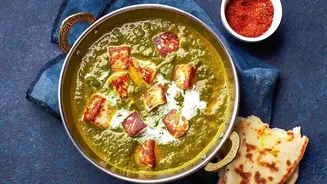
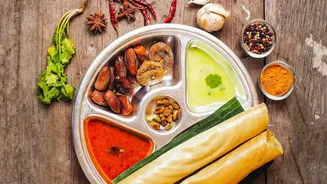
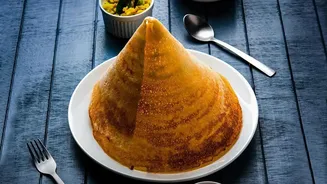
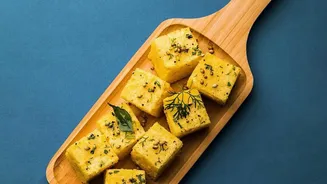
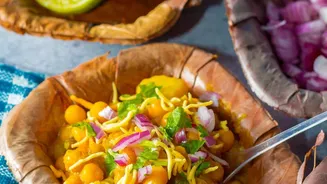
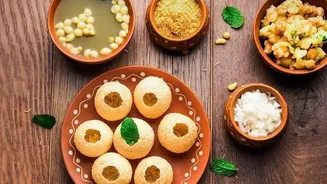
At the same time that Indians are looking outward, they are also looking inward with renewed curiosity. For decades, "Indian food" in restaurants usually meant a standard menu of Punjabi or Mughlai dishes like butter chicken and dal makhani. That is rapidly changing. A powerful counter-trend has emerged: the celebration of hyper-regional Indian cuisines. Restaurants are now proudly marketing dishes from specific communities and states that were previously only found in home kitchens. You can find eateries dedicated to the smoky, fermented flavours of Nagaland, the earthy simplicity of Bihari food, the coastal spice of Malvani meals, or the unique grains of the Garhwal region. This movement is about more than just food; it's a rediscovery of identity and a celebration of India's immense culinary diversity.
What's Driving This Culinary Duality?
The simultaneous rise of the global and the hyperlocal is no coincidence. It's driven by a new Indian consumer: younger, with higher disposable income, and digitally connected. Social media and food bloggers have become powerful educators, introducing urban audiences to both international trends and hidden local gems. A viral video can make a regional dish famous overnight. Furthermore, there's a growing desire for authenticity. Diners are tired of generic menus and seek memorable experiences with stories behind them. This applies whether they are trying a traditional Japanese ramen bowl or a Bihari thali that reminds them of home. Chefs and restaurateurs are responding with creativity and pride, travelling to villages to learn forgotten recipes and presenting them in modern, appealing ways. Nostalgia is also a powerful driver, as people who have moved to cities for work seek the comfort of their home region's food.
From Niche to Neighbourhood Staple
This dual trend is reshaping what it means to eat out in India. Fine-dining establishments are creating tasting menus focused on specific regional traditions, elevating local ingredients to gourmet status. Meanwhile, casual cafes and delivery kitchens are making once-exotic foods accessible. Bihari specialties like litti chokha are now served in popular cafes in Delhi and Gurgaon, while sushi has remarkably transitioned from luxury dining to street food in some areas. This diversification shows a market that is both fragmenting and maturing. Restaurants are realizing that specificity is a strength. Instead of trying to be everything to everyone, they are finding success by championing a particular cuisine, whether it’s from Tokyo or Tirunelveli.