





Our world runs on electricity, a silent force powering everything from our homes to our hospitals. But what if the greatest threat to this vital network isn't on Earth at all, but 93 million miles away, on the surface of the sun?
The Sun’s Turbulent Nature
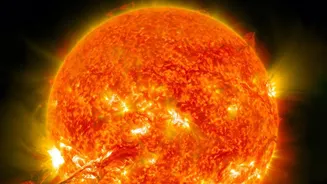
The sun, our life-giving
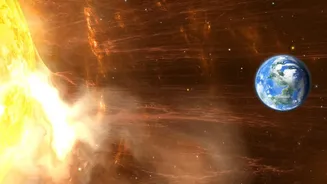
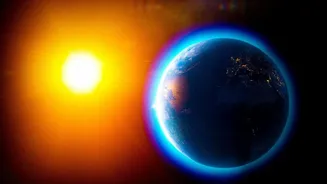
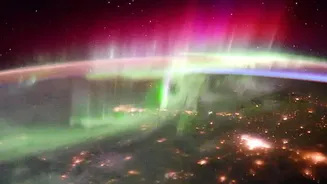
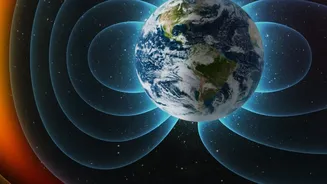
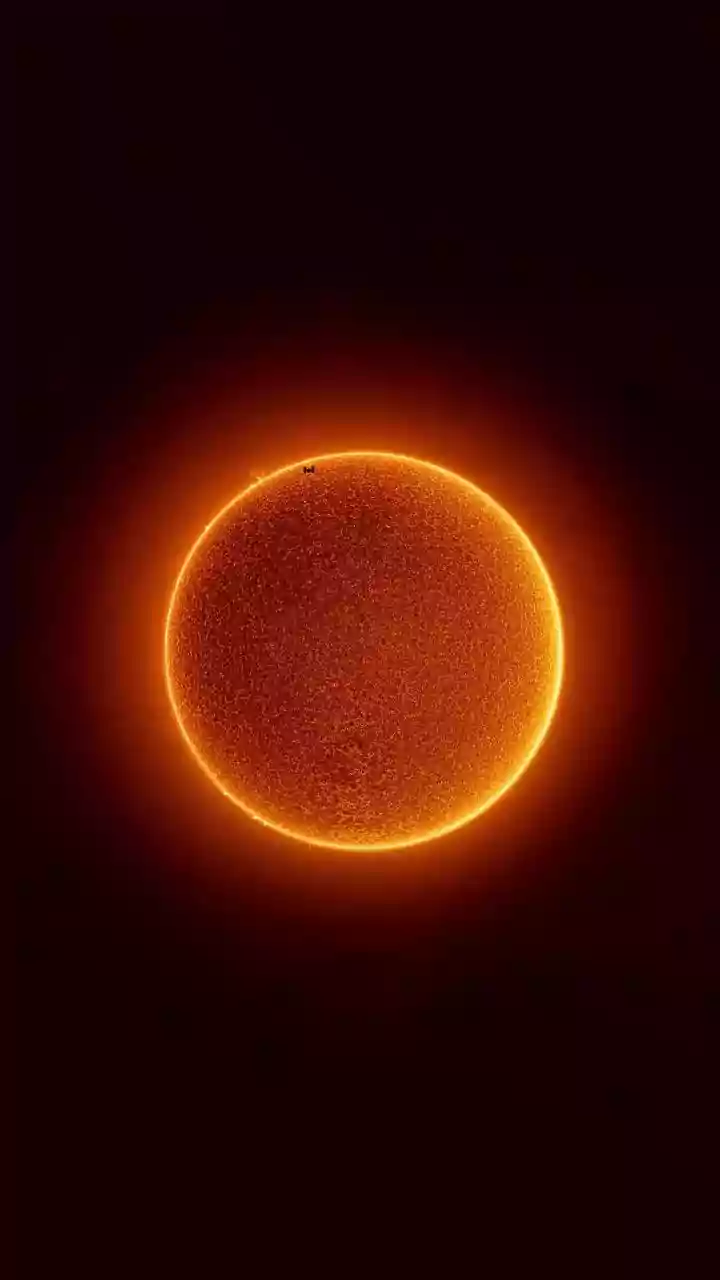
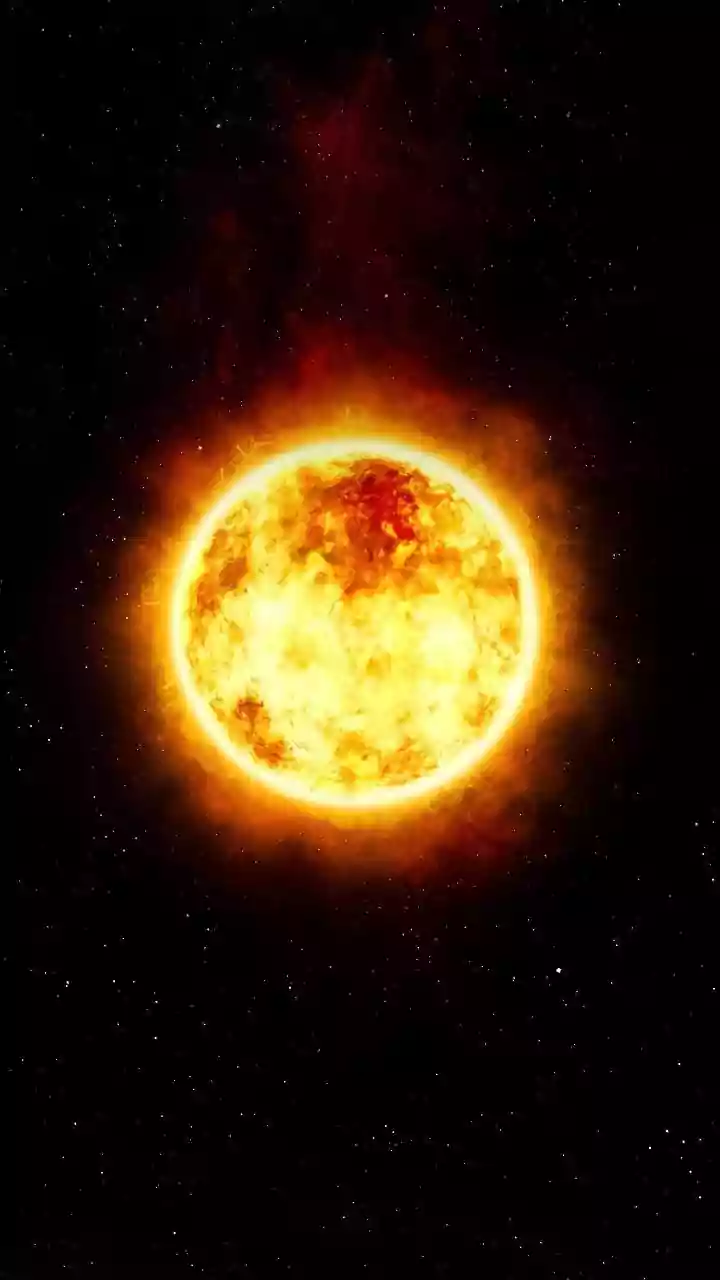
star, is not always a serene ball of light. It undergoes an 11-year cycle of activity, and at its peak, its surface can become a tempestuous sea of magnetic energy. These periods of high activity give rise to solar flares and massive eruptions known as Coronal Mass Ejections (CMEs). A CME is a colossal explosion that flings a cloud of charged particles and magnetic fields into space. If Earth happens to be in the path of this solar wind, the collision can trigger a geomagnetic storm — a major disturbance of our planet's protective magnetic shield, the magnetosphere.
A Shock to the System
When a CME interacts with Earth's magnetosphere, it's like a cosmic-scale generator kicking into high gear. This interaction causes rapid fluctuations in our planet’s magnetic field, which in turn induces powerful electrical fields in the ground. These fields search for the path of least resistance to travel, and they often find an ideal one: our long, conductive power transmission lines. This process creates what scientists call geomagnetically induced currents, or GICs. The problem is that our power grids are designed to handle alternating current (AC), while GICs behave more like direct current (DC). This mismatch is where the danger begins.
How a Solar Storm Breaks a Power Grid
The heart of the electrical grid is the high-voltage transformer, a device that steps voltage up or down for efficient transmission. When a DC-like GIC flows into a transformer built for AC, it can push the transformer's magnetic core into saturation. This 'half-cycle saturation' can cause a cascade of problems: the transformer starts to draw excessive power, it generates disruptive harmonics that pollute the grid, and it begins to dangerously overheat. This can cause protective relays to trip, leading to blackouts, or in the worst cases, cause permanent physical damage to the transformer itself. Replacing these massive, custom-built machines can take many months, if not years, turning a temporary blackout into a long-term crisis.
Lessons from the Past and Future Risks
This isn't just a theoretical threat. In March 1989, a geomagnetic storm caused the complete collapse of the Hydro–Québec power grid in Canada, leaving six million people without electricity for nine hours. A more recent warning came in May 2024, when the strongest storm in two decades caused some stress on the grid in Sweden. The historical benchmark remains the 1859 Carrington Event, a solar superstorm that set telegraph offices on fire. If a storm of that magnitude were to hit our modern, hyper–connected world, the consequences would be catastrophic. New research highlights the scale of this vulnerability. A 2026 study published in 'AGU Advances' modelled the impact of an extreme storm on the US, estimating potential economic losses of up to $1.8 billion per day from widespread power outages.
Strengthening Our Defences
The good news is that we are not helpless. The headline 'Research On Earth's Magnetic Storms' points to a growing global effort to understand and mitigate this risk. Scientists are working to improve space weather forecasting, giving grid operators more warning time to prepare. One promising area of research from early 2026 identified a new magnetic parameter that could serve as a more reliable indicator of an impending eruption. Furthermore, power companies can 'harden' their infrastructure by upgrading transformers to be more resilient and installing blocking devices that prevent GICs from entering the system in the first place. For a country like India, with its rapidly expanding grid and increasing reliance on technology, understanding and preparing for this threat is a critical part of ensuring future energy security.