




An Overview of the Current Situation
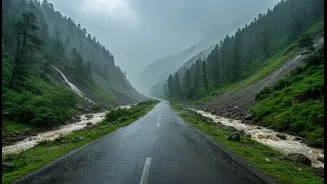
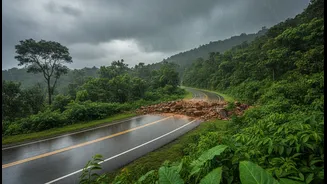
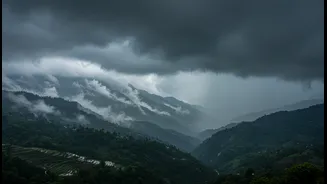
The India Meteorological Department (IMD) has forecast an active monsoon spell, with heavy to very heavy rainfall lashing several northern states. The hill states of Himachal Pradesh and Uttarakhand are among the worst affected, reporting numerous landslides
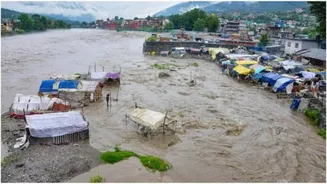
and road blockages. According to recent reports, over 120 roads in Uttarakhand, including national highways, have been blocked, disrupting connectivity. Similar incidents of landslides, bridge collapses, and swelling rivers have been reported in Himachal Pradesh, particularly in districts like Shimla, Kinnaur, and Sangla. The plains are not spared either, with alerts for heavy rain and potential waterlogging in Punjab, Haryana, Delhi-NCR, and parts of Uttar Pradesh. This severe weather has already led to travel delays, flight disruptions, and dangerous road conditions across the region.
Postpone Non-Essential Travel to Hill Stations
Given the current conditions, authorities and weather experts strongly advise postponing non-essential travel, especially to vulnerable hill stations in Uttarakhand and Himachal Pradesh. The risk of getting stranded due to landslides or flash floods is significantly high. Heavy rainfall has already left travellers and pilgrims stranded, requiring rescue operations to bring them to safety. The IMD has issued specific warnings, including yellow alerts for several districts, indicating the potential for further disruptions. A delayed holiday is always better than a risky journey. Before making any plans, it is crucial to check official advisories and understand that a clear road in the morning can become impassable by the evening.
Your Monsoon Emergency Travel Kit
If travel is absolutely unavoidable, being prepared can make a significant difference. Pack a dedicated monsoon emergency kit. This should include a waterproof jacket or poncho and an umbrella. Opt for quick-drying synthetic clothes instead of heavy materials like jeans, which take a long time to dry. Footwear should be waterproof with a strong grip to prevent slipping on wet surfaces. Protect your electronics, documents, and valuables by storing them in waterproof bags or zip-lock pouches. A fully charged power bank is essential, as power cuts can be frequent during heavy rains. Also, carry a basic first-aid kit with essential medicines, insect repellent, and some non-perishable dry snacks and bottled water.
How to Stay Informed on the Go
Information is your best defence against monsoon hazards. Before and during your journey, constantly check for the latest updates. Follow official sources like the IMD and the National Disaster Management Authority (NDMA) for weather forecasts and warnings. Local police and district administration social media handles are often the quickest sources for real-time information on road closures and traffic diversions. Many news outlets provide live updates on the monsoon situation. It's also wise to book hotels with flexible cancellation policies, as your plans might need to change suddenly based on the weather. Always share your travel itinerary and contact details with family or friends so they know your whereabouts.
Safety While Driving in Rain
Driving during the monsoon, particularly in hilly terrain, requires extreme caution. Reduce your speed significantly and maintain a safe distance from the vehicle ahead. Never attempt to drive through waterlogged underpasses or flooded roads, as it is impossible to gauge the depth of the water or the condition of the road beneath. In mountainous areas, be vigilant for falling rocks and debris, especially on roads cut into hillsides. Avoid night driving in the hills, as heavy rain and fog can drastically reduce visibility. If the rain becomes too intense and visibility is poor, it is safer to pull over at a secure location and wait for conditions to improve rather than continuing the journey.