

The Building Blocks of Muscle
Let's start with the basics. When you eat protein, your body breaks it down into smaller compounds called amino acids. Think of these as individual building blocks. Your body then uses these blocks to build and repair tissues, including the muscles you use every
day, whether you're at the gym or just carrying groceries. There are 20 different amino acids, but nine of them are called 'essential amino acids' (EAAs). The 'essential' part means your body can't make them on its own; you have to get them from the food you eat. For effective muscle repair, your body needs all nine of these essential amino acids available to do its job properly.
What is a 'Complete' Protein?
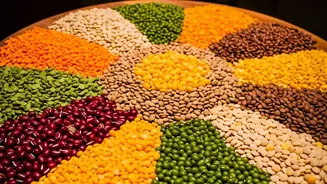
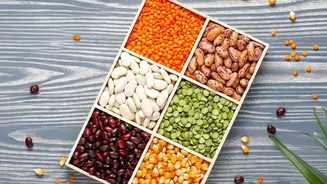
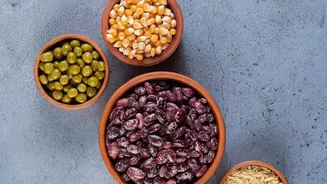
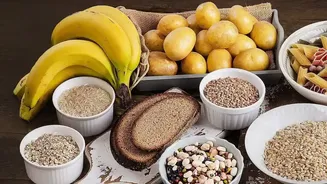
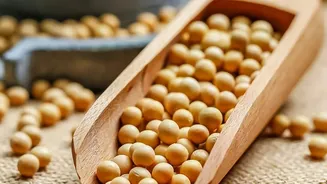
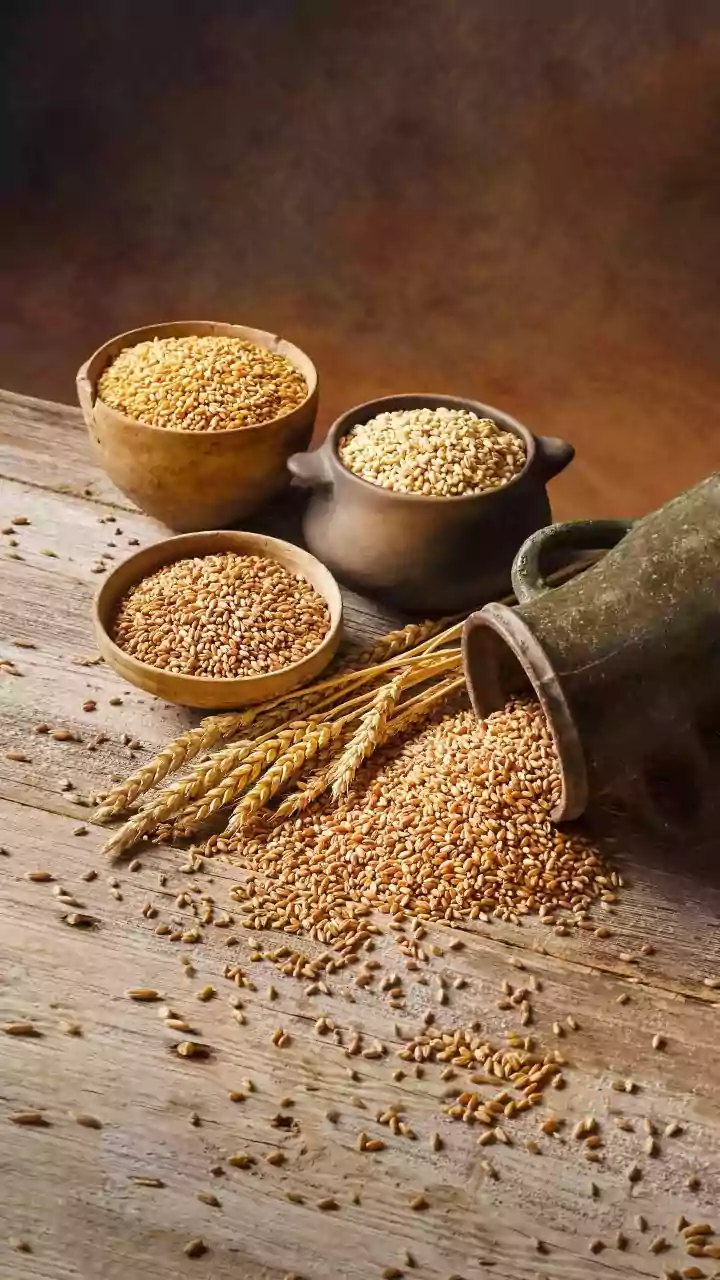
You've likely heard the term 'complete protein'. This simply refers to a food source that contains all nine essential amino acids in sufficient amounts. Animal products like meat, eggs, and dairy are classic examples. While many plant foods are fantastic sources of protein, most are considered 'incomplete' on their own. This doesn't mean they are bad; it just means they are low in one or two of the essential amino acids. For example, many grains are low in the amino acid lysine, while legumes (like beans and lentils) tend to be low in another one called methionine. The good news is that you don't need every single food you eat to be 'complete'.
The Power of a Perfect Pairing
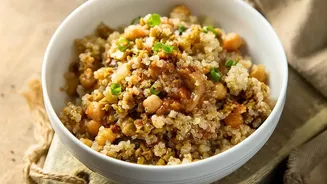
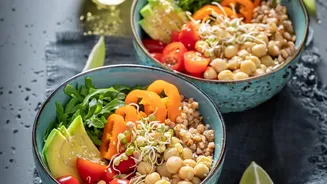
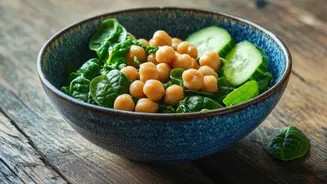
This is where the magic of combining foods comes in. By pairing a grain with a legume, you create a meal that provides all nine essential amino acids, effectively forming a complete protein. The food that is low in one amino acid is complemented by the food that is high in it, and vice versa. It’s a beautifully simple nutritional strategy that has been used in cuisines around the world for centuries. Think of rice and beans in Latin America, dal and rice in India, or hummus (made from chickpeas) with pita bread (made from wheat) in the Middle East. These cultures figured out complementary protein pairing long before the science was understood.
Do They Need to Be in the Same Meal?
Here's a piece of information that makes plant-based eating even easier. For decades, it was believed that you had to eat these complementary proteins at the exact same meal. However, modern nutrition science has shown this isn't necessary. Your body maintains a pool of amino acids it can draw from throughout the day. So, as long as you eat a variety of plant protein sources over the course of a day—for example, having oatmeal for breakfast and a lentil soup for dinner—your body can pull what it needs to build complete proteins. The 'pairing' is more about your overall daily diet than a single plate.
Fueling Your Fitness Goals
This concept is especially important for anyone active. Exercise creates tiny micro-tears in your muscle fibers, which is a normal part of getting stronger. Your body repairs this damage using amino acids, building the muscle back stronger than before. By ensuring your diet contains a full spectrum of essential amino acids from sources like grains and legumes, you provide your body with the crucial raw materials it needs for efficient muscle repair, reduced soreness, and better recovery. This ensures your efforts in the gym or on the running track pay off.
Easy Grain and Legume Combinations
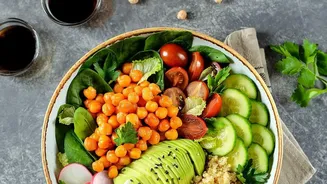
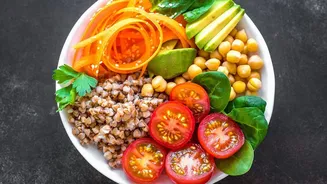
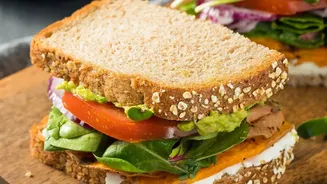
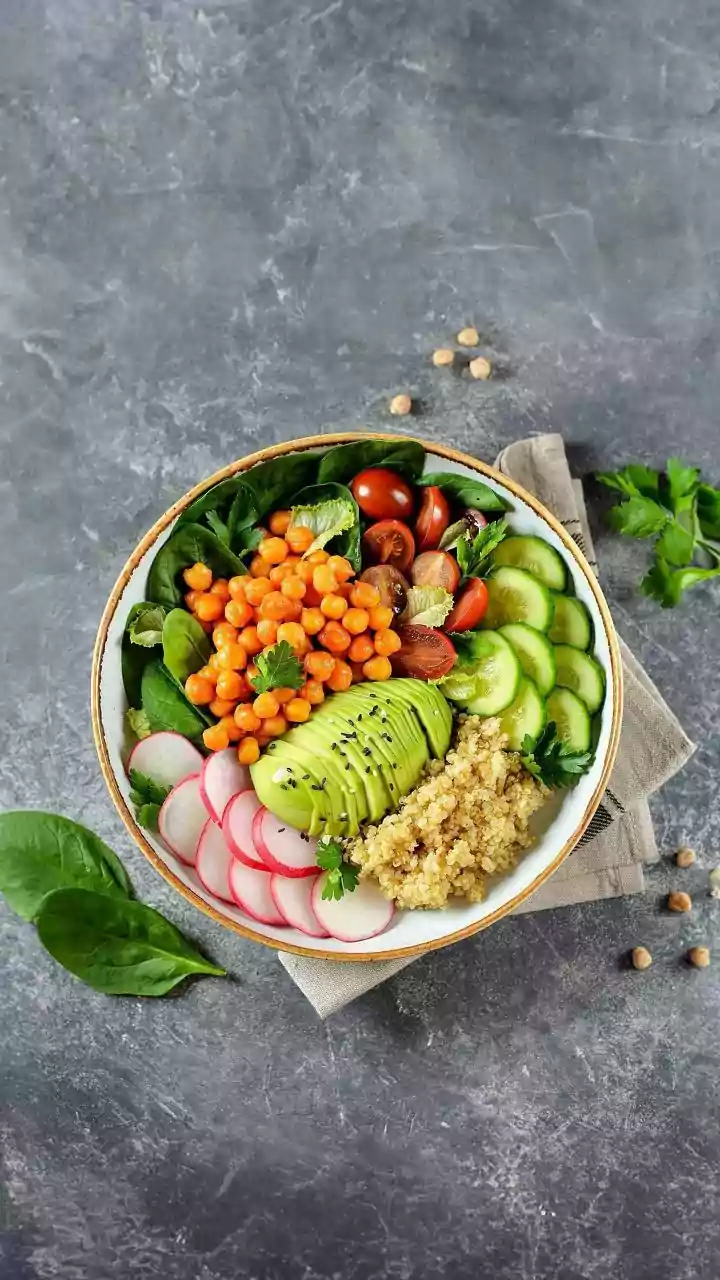
Incorporating this into your diet is simple and delicious. Many classic Indian dishes already do this perfectly. Think of rajma with rice, chana masala with roti, or a comforting bowl of khichdi. Other easy pairings include a peanut butter sandwich on whole wheat bread, a quinoa salad with chickpeas, or whole grain pasta with a lentil-based sauce. These combinations are not only nutritious and filling but also incredibly versatile, forming the foundation of countless satisfying meals.