



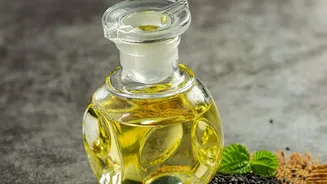
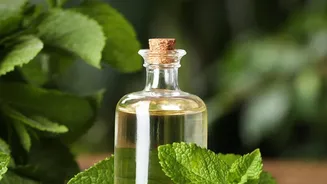
Why You Shouldn't Waste the Stems
When a recipe calls for fresh herbs, it usually means just the leaves. This leaves a pile of perfectly good stems destined for the compost. But both mint and coriander (dhaniya) stems are packed with the same aromatic compounds as their leaves, sometimes
in a more concentrated form. Coriander stems offer a deep, earthy flavour, while mint stems provide a potent, cooling freshness. Using them to infuse oil is a brilliant way to extract every last bit of flavour, reduce food waste, and add a gourmet touch to your cooking without any extra cost. It’s a sustainable practice that makes your kitchen more efficient and your food more delicious.
What You Will Need
The beauty of this project is its simplicity. You likely have everything you need already. For either oil, you will require a good handful of fresh mint or coriander stems, thoroughly washed and patted completely dry. You’ll also need about one cup of a neutral-flavoured oil; sunflower, grapeseed, or a light olive oil work wonderfully as they won't overpower the delicate herb essence. For equipment, gather a small saucepan, a clean glass jar with a tight-fitting lid, and a fine-mesh sieve or cheesecloth for straining. Proper sterilisation of your jar is key for safety, so ensure it has been washed in hot, soapy water and dried thoroughly before you begin.
The Safe Infusion Method
Making infused oils with fresh ingredients requires a note of caution. The combination of low-acid fresh herbs and an oxygen-free oil environment can, under the wrong conditions, create a risk for the growth of Clostridium botulinum bacteria. However, a gentle heating method effectively sidesteps this issue for oils intended for short-term use. By briefly heating the herbs in the oil, you not only speed up the infusion process but also inhibit bacterial growth. This method is much safer than cold-infusing fresh herbs, which should be avoided unless you are acidifying the ingredients. For our purposes, the heated method followed by refrigeration is the safest and quickest path to flavourful oils. Always remember to store your final product in the refrigerator and use it within a week.
Step-by-Step: Fresh Mint Oil
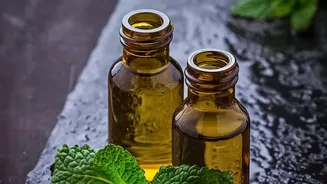
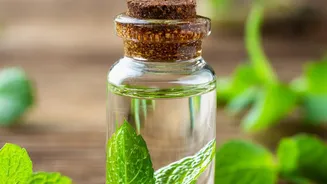
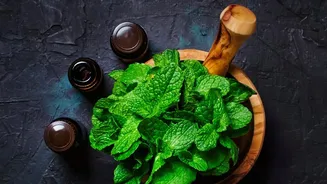
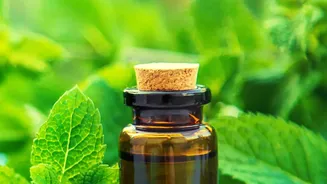
To create a bright and zesty mint oil, start by roughly chopping your clean, dry mint stems. This increases the surface area and helps release more flavour. Place the chopped stems in your small saucepan and pour the neutral oil over them, ensuring they are fully submerged. Gently heat the mixture on a very low flame for about five to ten minutes. You want the oil to become warm and fragrant, but not to simmer or boil, as high heat will destroy the delicate flavours. After heating, turn off the flame and let the oil cool completely with the stems still inside. Once cool, strain the oil through a fine-mesh sieve or cheesecloth into your sterilised glass jar. Press down on the stems to extract every last drop of aromatic oil. Seal the jar tightly and store it in the refrigerator.
Step-by-Step: Earthy Coriander Oil
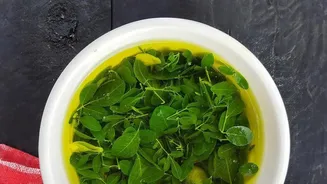
The process for coriander oil is nearly identical, but the flavour profile will be vastly different—more savoury, citrusy, and earthy. Begin with your clean, dry coriander stems. Unlike mint stems, which are quite tender, coriander stems can be a bit tougher, so giving them a good chop is essential. Place the stems in the saucepan, cover with your chosen oil, and warm gently over a low flame for five to ten minutes. Watch for the oil to start smelling wonderfully of coriander. Again, avoid letting it get too hot. Let the oil cool down to room temperature before straining it into your clean jar, making sure to press the pulp to release all the infused oil. Seal it and place it in the fridge for safekeeping.
How to Use Your Homemade Oils
Now for the fun part. Your homemade mint oil is a fantastic addition to salad dressings, a wonderful finishing drizzle over grilled lamb or roasted vegetables, and a secret weapon in yogurt-based dips and marinades. Try a few drops in a glass of lemonade or over a fruit salad for a surprising twist. The coriander oil is a workhorse in the savoury kitchen. Drizzle it over dal, soups, and curries just before serving. Use it to dress a kachumber salad, toss it with roasted potatoes, or mix it into a marinade for chicken or fish. These oils are not just for flavour; they add a beautiful, glossy finish to any dish.