



The Golden Rule of Vrat Foods
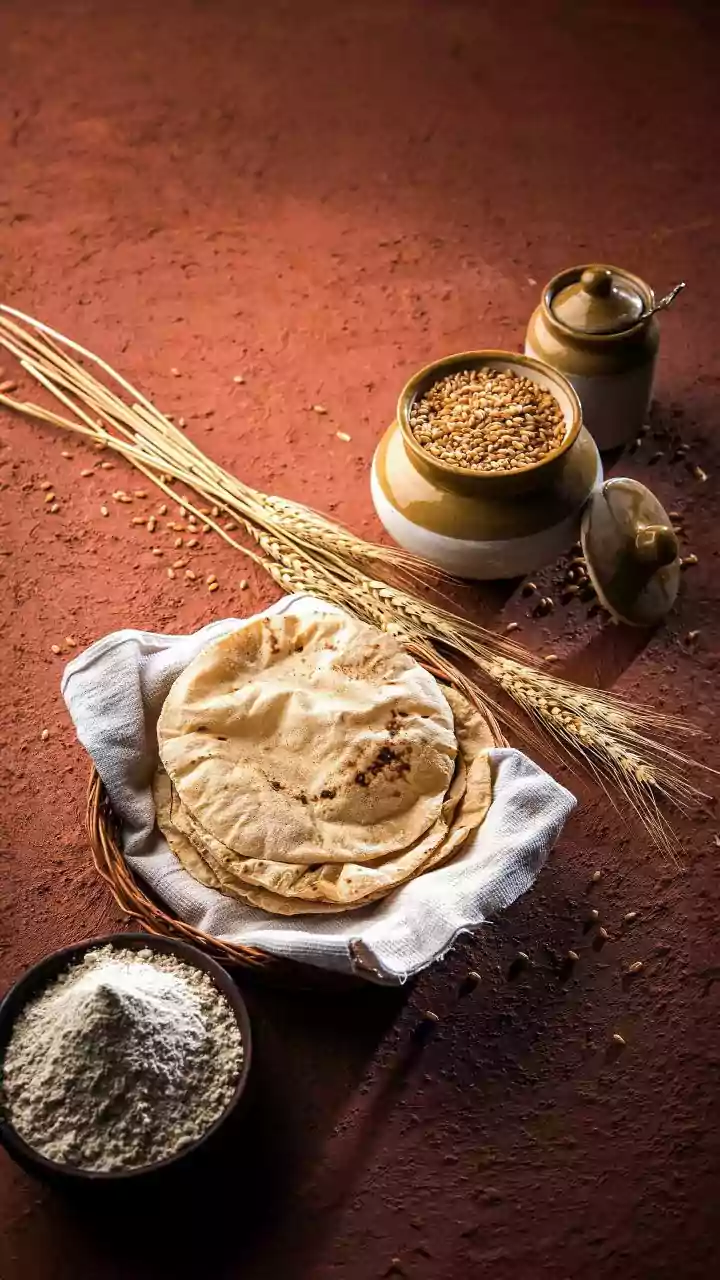
The foundation of a traditional vrat diet lies in avoiding common grains like wheat and rice, as well as lentils and certain spices. Instead, the focus shifts to a category of foods that are both nourishing and permissible. This is where pseudo-cereals
and seeds come into play. Foods like Kuttu (buckwheat) and Rajgira (amaranth) are not technically grains but are seeds from broadleaf plants. This botanical distinction is key to their inclusion in fasting meals. Similarly, Makhana (fox nuts) are seeds from the lotus flower. These ingredients are chosen not just for tradition, but because they are packed with energy and nutrients to sustain the body during a fast.
Kuttu (Buckwheat): The Warming Powerhouse
Kuttu, or buckwheat, is a familiar sight during Navratri. Despite its name, it has no relation to wheat and is naturally gluten-free. It's technically a fruit seed, which is why it's a fasting favourite. Traditionally, Kuttu is considered a 'warming' food, making it ideal for the changing seasons when many fasts are observed. Nutritionally, it’s a star performer. It is rich in high-quality protein, providing all essential amino acids, and is loaded with dietary fiber, which aids in digestion and keeps you feeling full longer. It's also a good source of minerals like magnesium. Most commonly, Kuttu flour is used to prepare pooris, parathas, and cheelas, offering a robust and earthy flavour to the meal.
Rajgira (Amaranth): The Ancient Superfood
Rajgira translates to 'royal grain', hinting at its esteemed place in ancient food cultures. Like Kuttu, it is a gluten-free pseudo-cereal. This tiny grain is a powerhouse of nutrition, making it a perfect fasting food to maintain energy levels. It boasts a higher protein content than most cereals and is exceptionally rich in iron and calcium, two nutrients that can be harder to obtain during a restricted diet. Its versatility is another reason for its popularity. The flour is used to make soft pooris and theplas, while the puffed seeds can be turned into nutritious laddoos and chikkis, providing a wholesome, sweet treat. Its balanced nutrient profile ensures you stay energised, not lethargic.
Makhana (Fox Nuts): The Light and Mighty Snack
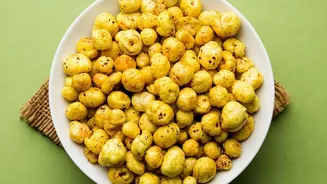
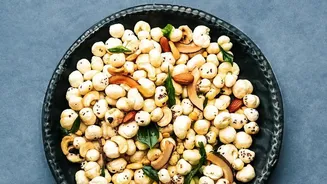
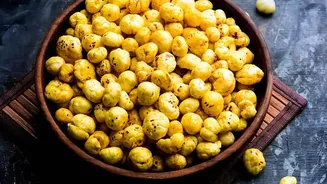
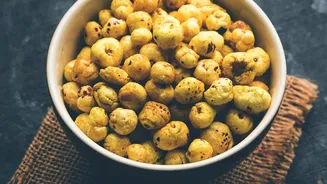
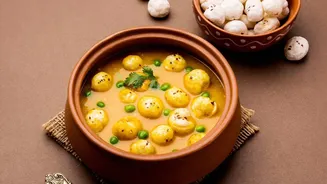
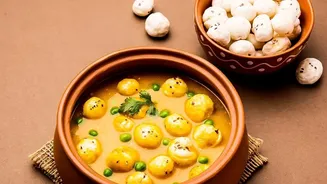
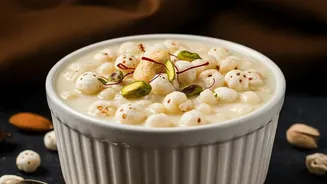
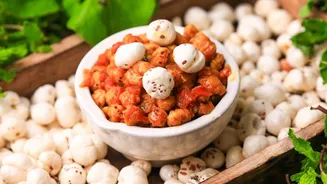
Makhana, or puffed lotus seeds, are the ultimate guilt-free snack for fasting days and beyond. They are incredibly light and easy to digest, yet provide a satisfying crunch and a feeling of fullness. What makes them a 'superfood' is their impressive nutritional resume: they are low in calories and fat, but rich in protein, magnesium, and potassium. They are also packed with antioxidants. Unlike other nuts, they are low in sodium, making them a heart-healthy choice. The most popular way to eat makhana during a vrat is by simply roasting them in a little ghee and seasoning with rock salt (sendha namak). They can also be added to vegetable curries or ground into a paste to thicken gravies, adding nutrients and texture without heaviness.
Fasting with Mindfulness and Health
While Kuttu, Rajgira, and Makhana are fundamentally healthy, their benefits can be negated by how they are prepared. Traditionally, many vrat dishes like pooris and pakoras are deep-fried. While delicious, relying solely on fried foods can lead to sluggishness and defeat the detoxifying purpose of a fast. To truly reap the benefits, consider healthier cooking methods. Opt for baking or air-frying instead of deep-frying. Make cheelas (pancakes) or rotis instead of pooris. Roast makhana with minimal ghee. By focusing on mindful preparation and portion control, you can honour the traditions of vrat while truly nourishing your body from the inside out, turning a period of fasting into an opportunity for rejuvenation.