

Fushimi Inari Shrine, Kyoto
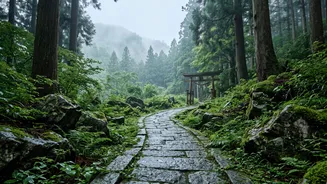
The Image: An endless, serene path of thousands of vibrant red torii gates winding up a mountainside, offering a mystical and solitary spiritual journey. The Reality: The lower paths of Fushimi Inari are almost always packed with visitors, making it difficult
to capture that perfect, person-free photo you've seen online. The initial section can feel more like a slow-moving queue than a peaceful hike. Most visitors tend to congregate in the first few hundred metres. How to Visit Smarter: The shrine is open 24 hours a day. Arriving before 8 AM, or even at sunrise around 6 AM, offers a much quieter and more atmospheric experience. Alternatively, keep climbing. The crowds thin out significantly past the Yotsutsuji intersection, which is about a 30-45 minute walk uphill. The upper trails are often nearly empty, rewarding those who make the effort with the tranquility you were hoping for. Visiting in the evening is also an option, as the paths are lit by lanterns, but the upper mountain trails can be dark, so it's wise to bring a light and not go alone.
Arashiyama Bamboo Grove, Kyoto
The Image: A tranquil, otherworldly walk through a towering forest of bamboo, where the only sounds are the rustling leaves and the soft light filtering through the stalks. The Reality: The main path is surprisingly short and can become shoulder-to-shoulder with people by mid-morning. Instead of zen, you might find a constant shuffle of tourists all trying to get the same photo. The grove is free and always open, but its popularity means that from about 9 AM to 4 PM, the narrow path is packed. How to Visit Smarter: Much like Fushimi Inari, the key is timing. Go early—before 8 AM is best for a peaceful stroll. The light is softer and the atmosphere is what you imagined. Another strategy is to walk beyond the main, most-photographed section. The crowds thin out considerably if you continue toward the Ōkōchi Sansō Villa or Kameyama Park. For a different experience, some travel blogs suggest visiting the nearby Adashino Nenbutsu-ji temple, which has its own smaller, much quieter bamboo grove.
Shibuya Crossing, Tokyo
The Image: A chaotic, vibrant scramble of humanity, a symbol of Tokyo's energetic pulse, best viewed from a high-up cafe while sipping coffee. The Reality: It is indeed an impressive spectacle of organised chaos, but after you've watched the light change a few times, the novelty can wear off. It's fundamentally a very busy road junction. The famous Starbucks viewpoint is often so crowded that getting a window seat is a matter of pure luck. How to Visit Smarter: Instead of just watching it, participate. Walking in the scramble is an experience in itself. For a better view without the cafe crowds, head to Shibuya Sky, the open-air observation deck on the Shibuya Scramble Square building. It offers a breathtaking, unobstructed view of the crossing and the wider Tokyo skyline. Alternatively, for a more grounded experience of Tokyo's cool culture, explore nearby neighbourhoods like Shimokitazawa, known for its vintage shops, small cafes, and more relaxed vibe just a few train stops away.
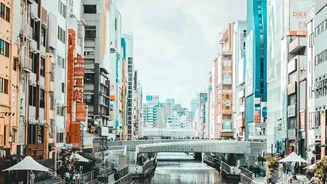
Dotonbori, Osaka
The Image: A dazzling wonderland of neon lights, giant mechanical crabs, and endless street food stalls—the vibrant heart of Osaka's nightlife and culinary scene. The Reality: Dotonbori is absolutely a sensory overload, but it can also be overwhelmingly crowded, especially on weekends and evenings. Some travelers feel it has become overly commercialized, with long queues for famous food stalls and prices aimed at tourists. It's often described as a 'tourist trap' that's still worth seeing once. How to Visit Smarter: Go for the visual spectacle—the giant signs and neon glow are genuinely unique. For a better and potentially more authentic dining experience, venture into the side alleys or nearby areas like Hozenji Yokocho or Ura-Namba, which offer a more relaxed atmosphere. Visiting in the morning provides a completely different, much quieter vibe before the masses descend. The energy after sunset is part of the appeal, but be prepared for the crowds to be part of the experience.
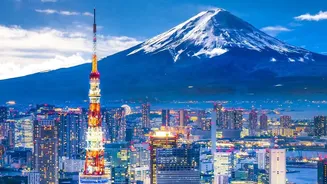
Tokyo Skytree
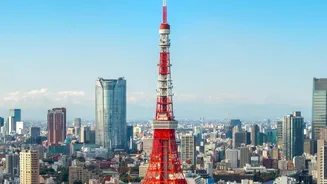
The Image: The ultimate panoramic view of Tokyo from the tallest structure in Japan, an essential bird's-eye perspective of the sprawling metropolis. The Reality: Skytree is indeed the tallest, with observation decks at 350 and 450 metres. However, it's also expensive, and its location in Sumida is somewhat removed from other major tourist centres. Some visitors find the view can be so high that the city below looks like a flat, featureless map. The angled glass can also cause frustrating reflections, especially for nighttime photography. How to Visit Smarter: For what many now consider a better overall experience, try Shibuya Sky. Its open-air rooftop deck provides reflection-free photos and a more immersive feeling, and its central location is a huge plus. For a free alternative, the Tokyo Metropolitan Government Building in Shinjuku offers fantastic panoramic views. If you want a classic, iconic view that includes Tokyo Tower in the skyline, the Roppongi Hills Mori Tower's Tokyo City View is another excellent paid option.