



Perfect The Flour Ratio
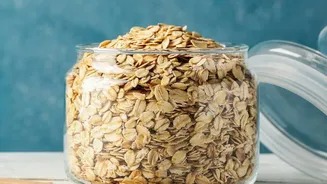
The foundation of any great oats dosa is the batter, and the secret lies in the blend of flours. Using only oats can result in a soft, sometimes sticky, dosa that lacks structural integrity. The key is to create a balanced mix. A reliable starting point
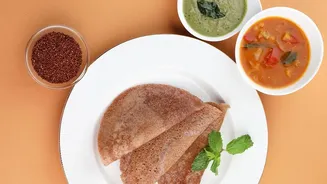
is a 1:1 ratio of rolled oats to another flour. For instance, if you use one cup of ground oats, add one cup of rice flour or semolina (rava). Rice flour is a classic dosa ingredient that guarantees a crispier result, while fine semolina absorbs water well and contributes to a lovely, porous texture. Don't be afraid to experiment with other flours like ragi or jowar in smaller quantities for an added nutritional punch, but always keep rice flour or rava as your textural anchor.
Introduce a Binding Agent
One of the challenges with instant oats dosa is that the batter can be quite loose, making it difficult to spread thinly on the pan. Without a proper binding agent, the dosa is prone to breaking. The simple solution is to add a few tablespoons of whole wheat flour (atta) or gram flour (besan) to your batter. Atta provides elasticity, making the dosa more pliable and less likely to tear. Besan, on the other hand, adds a pleasant nutty flavour and a beautiful golden-brown colour when cooked. Another excellent, and traditional, binder is a small amount of urad dal flour. If you have the time, soaking a tablespoon of urad dal and grinding it with the oats creates a superior batter that mimics the texture of a traditional dosa.
Amp Up the Flavour Inside the Batter
A common complaint about oats dosa is that it can taste bland or overly 'healthy'. The mistake many people make is relying solely on the chutney or sambar for flavour. To create a truly delicious dosa, you must season the batter itself. A teaspoon of freshly crushed ginger, finely chopped green chillies, and a handful of curry leaves can transform your batter from dull to delightful. Cumin seeds (jeera), either whole or coarsely ground, add a warm, earthy aroma. For a South Indian touch, a pinch of asafoetida (hing) is essential. These additions infuse every bite with flavour, ensuring the dosa is delicious even on its own.
Don't Skip the Fermentation or Resting Time
While instant oats dosa is popular for its speed, allowing the batter to rest for at least 15–20 minutes can make a world of difference. This resting period allows the flours, especially semolina, to fully absorb the liquid, resulting in a much better consistency and a non-sticky dosa. For an even better taste and texture, consider a quick fermentation. Adding a few tablespoons of sour curd or buttermilk to the batter and letting it sit in a warm place for about an hour introduces a subtle tang, much like a traditional fermented dosa. This not only enhances the flavour but also contributes to a softer inside and a crispier outside.
Add Finely Chopped Vegetables
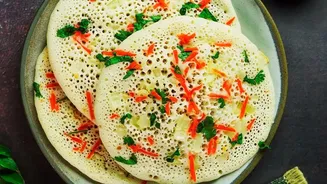
Incorporating vegetables directly into the batter is a brilliant way to add texture, flavour, and nutrition. The key is to chop them as finely as possible to ensure they cook through and don't disrupt the dosa's structure. Finely chopped onions are a classic choice, caramelising slightly as the dosa cooks to add a touch of sweetness. Grated carrots, chopped coriander, and finely minced capsicum also work wonderfully. These additions not only make the dosa more interesting to eat but also turn it into a complete, balanced meal. Just remember to add them just before you start making the dosas to prevent the vegetables from releasing too much water and thinning out the batter.
Master Your Cooking Technique
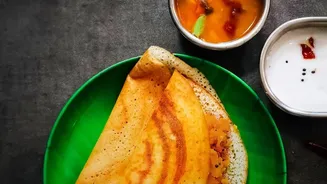
The final step to a perfect dosa lies in how you cook it. Firstly, ensure your tawa or non-stick pan is sufficiently hot before you pour the batter. A medium-high heat is ideal; too low, and the dosa will become soft and absorb oil, while too high, and it will burn before cooking through. Pour the batter from the outside in, moving in a circular motion to create a lacy effect, which is characteristic of rava-based dosas. Be patient and let the bottom cook until it's golden brown and the edges start to lift on their own before flipping. A generous drizzle of ghee or oil around the edges will help it become wonderfully crisp.