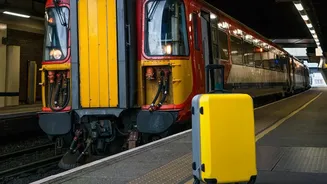




The Sudden Scramble and Why It Happens
The dreaded words "Platform number has been changed" can send a wave of panic through even the most seasoned traveller. This sudden shift isn't designed to cause chaos. Major train terminals are complex logistical puzzles, and a single disruption can have
a ripple effect. Common reasons for a last-minute platform change include a late-running train occupying the scheduled track, urgent track maintenance, or a signal failure. Sometimes, a train arriving early might be rerouted to an empty platform to maintain the overall schedule. Understanding that these changes are operational necessities, not random inconveniences, is the first step toward navigating them calmly. The goal of the station staff is to keep the entire network moving, and sometimes that requires shuffling the pieces of the puzzle just minutes before departure.
Your First Line of Defence: The Station Map
Before you even hear an announcement, your best tool is often posted right on the wall: the station map. Many travellers overlook these diagrams, but a quick study can be invaluable. Don't just look for your platform number; try to understand the station's overall layout. Identify the main concourse, the location of footbridges or underpasses, and the numbering sequence of the platforms. In large Indian railway stations, which can feel like small cities, knowing whether platforms are sequential or split into different zones is crucial. A map helps you build a mental model of the space, so if a change is announced, you're not starting from scratch. You’ll know whether you need to find stairs, an escalator, or a lift, and in which general direction to head, saving precious seconds and reducing stress.
Digital Navigators in Your Pocket
In the age of the smartphone, physical maps have powerful digital counterparts. For travel within India, the National Train Enquiry System (NTES) app is an essential tool. It provides real-time information on train schedules, delays, and, most importantly, platform numbers. Other popular apps like 'Where is my Train', ixigo, and RailYatri offer similar live tracking features. The key is to check this information strategically—not just the night before, but as you head to the station. This gives you the most current data. Some apps even work offline using cell tower information to track your train's location, which is a lifesaver in crowded stations where mobile networks can be unreliable. These apps turn your phone into a dynamic, real-time departure board that you can consult on the move.
Beyond the Map: Combining Your Tools
A map, whether physical or digital, is most powerful when used with other available information. Always keep an ear out for audio announcements. While you’re heading towards the platform shown on your app, confirm the information on the overhead electronic display boards. These are considered the most definitive source of information once you are at the station. If you're ever in doubt, don't hesitate to ask official railway personnel. A combination of technology, signage, and human assistance is the ultimate strategy. Look at the app on your way to the station, consult the station map for the layout upon arrival, and then confirm on the digital display board before heading to the platform. This multi-layered approach ensures you are always acting on the most accurate and up-to-date information.