




The Golden Rule: Look, Don't Touch
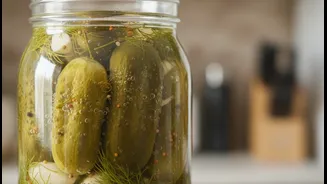
The magic of lacto-fermentation—the process behind delights like sauerkraut, kimchi, and pickles—happens in an anaerobic, or oxygen-free, environment. The helpful bacteria, primarily from the Lactobacillus family, thrive in these conditions. They convert
sugars in the vegetables into lactic acid, which acts as a natural preservative, creates that signature tangy flavour, and keeps harmful bacteria from taking hold. Every time you open the jar, you break this seal, introducing oxygen. Oxygen is the enemy of a good ferment because it can encourage the growth of unwanted molds and yeasts. So, while it's tempting to check on your creation, your most important job is to let the microbes do their work undisturbed.
Your Daily Observation Checklist
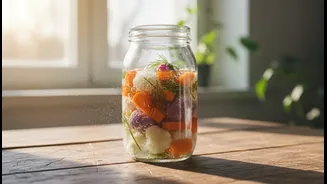
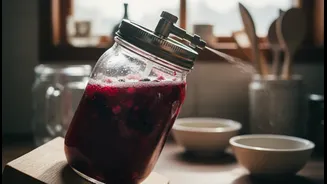
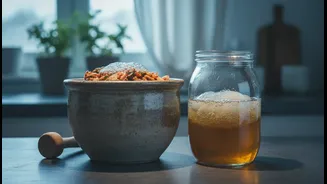
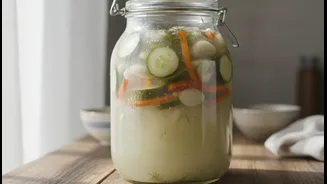
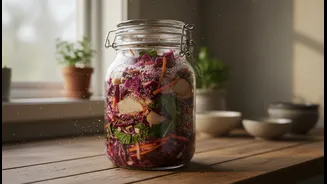
Instead of opening the jar, become a keen observer. Look through the glass each day for signs of healthy fermentation. The most exciting sign is bubbling. These bubbles are carbon dioxide, a natural byproduct created by the active lactic acid bacteria. This shows your ferment is alive and well. You should also observe the colour and clarity of the brine. It will likely get cloudy as the bacteria multiply, which is a normal part of the process. Note the position of your vegetables; they must remain submerged under the brine. Any vegetable matter exposed to air is a potential spot for mold to grow. A slightly sour, pleasant aroma is another good sign, even if you can only smell it faintly from the sealed container.
The Dangers of Constant Meddling
Opening and stirring a ferment might seem harmless, but it poses several risks. The primary danger is introducing oxygen, which can allow spoilage organisms to flourish. Stirring can also introduce contaminants from the utensil or the air, even in a clean kitchen. You risk pushing surface contaminants, like harmless wild yeasts, down into the ferment where they can affect the flavour. Furthermore, you disrupt the protective layer of carbon dioxide that naturally forms on top of the brine, which helps shield the surface from oxygen. While a single, quick taste test late in the process might not ruin your batch, making a habit of opening the jar is asking for trouble. The best practice is to trust the process and keep the lid on until you believe the ferment is ready.
Friend or Foe? Identifying Surface Growth
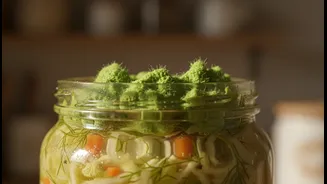
One of the most common sights that panics new fermenters is a film on the surface. It's crucial to know the difference between harmless kahm yeast and problematic mold. Kahm yeast is a wild yeast that appears as a thin, white, wrinkly film and is generally harmless, though it can impart a slightly 'off' flavour if left to grow. It can be carefully skimmed off the surface. Mold, on the other hand, is a sign of spoilage. It looks fuzzy, can be white, green, blue, or black, and grows in distinct patches. Unlike kahm yeast, mold can penetrate deep into the food, and its presence means the entire batch should be discarded for safety. Learning to tell them apart is a key skill for any home fermenter.
When Is It Okay to Intervene?
There are a few exceptions to the 'don't open it' rule. If you are not using an airlock, you may need to 'burp' the jar daily by briefly loosening the lid to release pressure from the carbon dioxide buildup and prevent leaks or breakage. This should be done quickly to minimize air exposure. The other time to intervene is if you've positively identified and need to remove mold, though this is often a sign the batch should be tossed. You should also remove any pieces of vegetable that have floated to the surface and are no longer submerged in the brine. Finally, you'll open the jar when you believe the fermentation has reached your desired level of sourness, at which point you transfer it to the refrigerator to slow the process down.