





Why We Talk About 'Gut Health'
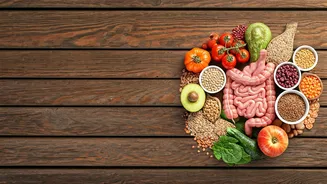
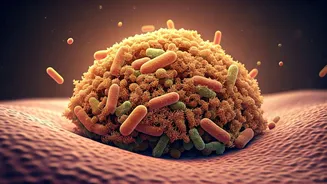
For years, we thought of our digestive system as a simple plumbing network. But modern science has revealed it's more like a bustling metropolis inside you. Your gut is home to trillions of microorganisms—bacteria, viruses, and fungi—collectively known
as the gut microbiome. This ecosystem doesn't just digest food; it plays a critical role in regulating your immune system, influencing your mood, and even protecting you against certain diseases. A 'healthy gut' means having a diverse and balanced population of these microbes. When this balance is off (a state called dysbiosis), it can contribute to issues ranging from digestive distress and inflammation to weakened immunity.
Fibre: The Superfood for Your Microbes
So, how do you keep these tiny residents happy? You feed them what they love. And what they love most is dietary fibre. Unlike proteins, fats, or simple carbohydrates, fibre passes through your small intestine largely undigested. When it reaches the large intestine, it becomes the primary food source for your beneficial gut bacteria. They ferment the fibre, producing short-chain fatty acids (SCFAs) like butyrate. These compounds are miracle workers: they provide energy for your colon cells, strengthen your gut lining to prevent 'leaky gut', and reduce inflammation throughout your body. Without enough fibre, your good microbes starve, allowing less beneficial ones to take over.
The Two Faces of Fibre
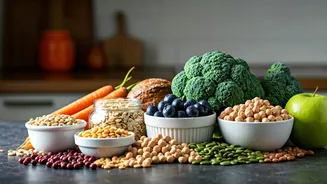
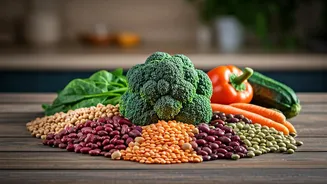
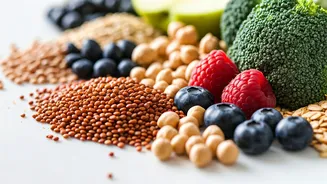
Not all fibre is created equal. To build a truly gut-friendly diet, you need both types. Soluble fibre dissolves in water to form a gel-like substance. It helps slow digestion, making you feel full longer, and is excellent at lowering cholesterol and stabilising blood sugar. Think of oats, barley, isabgol (psyllium husk), apples, citrus fruits, and most dals and beans. Insoluble fibre, on the other hand, does not dissolve in water. It adds bulk to your stool and helps move food through your digestive system, preventing constipation. You'll find it in whole wheat (atta), brown rice, millets like jowar and bajra, cauliflower, green beans, and nuts.
Building a Fibre-First Plate
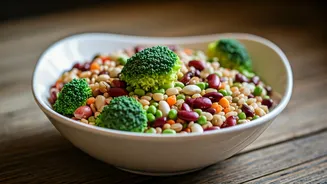
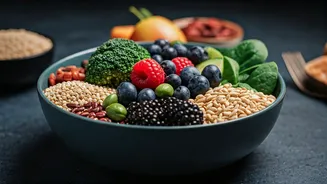
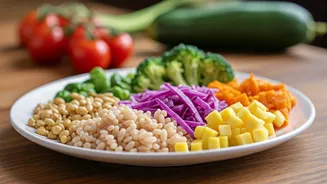
Shifting to a fibre-centric diet isn't about restriction; it's about re-prioritisation. Instead of thinking of vegetables as a small side dish, make them the star. Aim to fill half your plate with non-starchy vegetables first—leafy greens, bhindi, gourds, cabbage, and bell peppers. Next, add a generous portion of protein-rich legumes, such as dal, chickpeas, or rajma. This covers both soluble and insoluble fibre. Finally, complete your meal with a portion of whole grains. This simple 'plate-building' method automatically puts fibre at the core of your meal, rather than treating it as an afterthought. It ensures you're getting a diverse range of nutrients that support your gut microbiome.
Simple Swaps for a High-Fibre Life
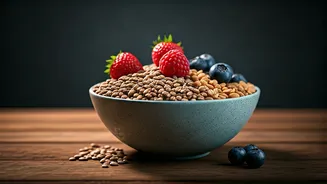
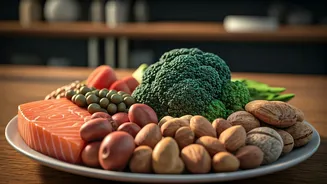
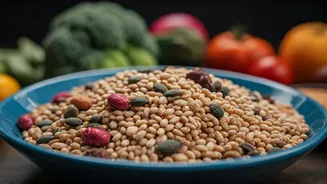
Integrating more fibre can be done gradually with small, sustainable changes. Start by swapping white rice for brown rice, quinoa, or millets a few times a week. Choose whole-wheat atta over maida for your rotis and breads. Instead of drinking fruit juice, eat the whole fruit to get the pulp and skin, where much of the fibre resides. Snack on a handful of nuts and seeds instead of processed snacks like chips or biscuits. Add a tablespoon of flax or chia seeds to your dahi, oatmeal, or smoothies for an effortless fibre boost. Each of these small swaps adds up, contributing significantly to your daily intake and feeding your gut the fuel it needs to thrive.