


The Kiwi Pollination Puzzle
The main reason many homegrown kiwi vines remain fruitless is a simple matter of biology. Most kiwifruit varieties are dioecious, a term meaning that male and female flowers grow on separate plants. A female vine can't produce fruit unless it receives
pollen from a nearby male vine. While bees and wind can do this job, they aren't always reliable. Urban gardens may lack a robust bee population, and kiwifruit flowers are not a top choice for bees as they don't produce nectar. This is why a gardener's helping hand can make all the difference, turning a purely ornamental vine into a productive source of delicious fruit. Even some self-fertile varieties will produce larger and more plentiful fruit with a bit of cross-pollination assistance.
Male vs. Female: Telling the Flowers Apart
Before you can play matchmaker, you need to know who's who. The only way to tell the difference between male and female vines is by inspecting their flowers when they bloom in late spring. Female flowers are the key to fruit. Look for a bright white, well-defined ovary at the base of the flower. Radiating from the center, you will see several sticky stalks called stigmas. These are designed to catch pollen, but the anthers surrounding them will not have any pollen themselves. Male flowers, on the other hand, exist for one purpose: to produce pollen. Their centers are filled with pollen-dusted anthers, giving them a distinctly yellow and fluffy appearance. They lack the central ovary that develops into a fruit.
Perfect Timing for Pollination
Timing is everything. The window for successful pollination is relatively short. Female flowers are most receptive to pollen within the first few days of opening. A study conducted in Sikkim found that pollinating in the morning, between 8 a.m. and 12 p.m., produced the best results for fruit size and quality. The ideal conditions for this task are on a dry, calm day, as moisture can damage the pollen and wind can blow it away. Monitor your vines as they begin to bud and prepare to take action as soon as the blossoms open. One male flower’s pollen is viable for about three days after it opens, so harvesting fresh pollen is best.
A Step-by-Step Guide to Hand Pollination
The process of hand pollination is simple and effective. All you need is a small, soft paintbrush, a cotton swab, or even just a freshly picked male flower. First, identify a newly opened male flower. Gently brush its pollen-heavy center to collect the yellow dust on your tool, or dab it into a small container. One male flower can be used to pollinate about five female flowers. Next, move to a receptive female flower. Carefully and gently dab the collected pollen onto the sticky stigmas in the flower's center. Be thorough to ensure good coverage, as more fertilized ovaries lead to a larger, more uniformly shaped fruit. Repeat this process for all open female flowers. For best results, it's wise to repeat the pollination process for a couple of days to catch any newly opened blooms.
Tips for a Successful Kiwi Harvest
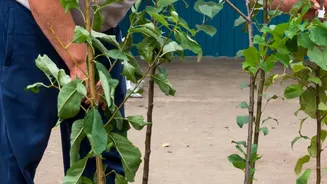
To set your vines up for success, ensure you have the right setup. The general rule for planting is one male vine for every six to eight female vines. If you only have space for female vines, you may be able to source fresh male flowers from a neighbour or local nursery. For those growing in regions of India like Himachal Pradesh or Uttarakhand, where kiwi cultivation is becoming popular, choosing the right variety is key. Varieties like 'Allison', 'Bruno', and 'Hayward' are commonly grown. Remember that kiwis are vigorous climbers and need a sturdy support like a T-bar or pergola trellis. They thrive in sunny, sheltered spots with well-drained, slightly acidic soil. With the right care and a little hands-on pollination, you'll be well on your way to enjoying a bountiful harvest.