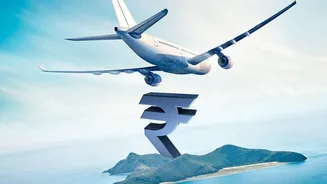







What Does a 'Weaker Rupee' Mean?
In simple terms, a weaker rupee means you need to spend more rupees to buy one US dollar. For instance, the exchange rate has moved from around 83 rupees to the dollar two years ago to over 95 rupees in mid-2026. This depreciation happens for several
reasons. A major factor is India's reliance on imports, especially crude oil, which is paid for in dollars. When global oil prices rise, India needs to buy more dollars, increasing demand for the dollar and weakening the rupee. Other factors include foreign investors pulling money out of Indian markets, which also increases demand for dollars, and a general strengthening of the US dollar globally as investors seek safety during uncertain times.
The Direct Impact on Your Shopping List
The most immediate effect of a weaker rupee is on the price of imported goods. Since these items are bought internationally in foreign currencies, a weaker rupee makes them more expensive for Indian consumers. The first and most obvious impact is at the petrol pump. India imports about 85% of its crude oil, so when the rupee falls, the cost to import oil rises, and that increase is passed on to you. Beyond fuel, you'll see prices climb for electronics like smartphones and laptops, as many components are imported. Even cars can become costlier as they rely on imported parts. Your grocery bill isn't immune either; imported foods such as premium cooking oils, fruits, and chocolates will also see a price hike.
Beyond Goods: Foreign Travel and Education
The impact isn't limited to physical products. Anyone planning a trip abroad will find their budget stretched thin. Your rupees now buy less foreign currency, meaning flights, hotels, and daily spending become more expensive. The same applies to students aspiring to study in countries like the US, UK, or Canada. Tuition fees and living expenses, which are denominated in dollars or pounds, can increase by lakhs of rupees purely due to the exchange rate. This has forced many families to reassess their plans, seek larger education loans, or consider more affordable countries for higher education.
How to Adjust Your Budget
While you can't control global currency markets, you can adjust your financial strategy. Start by creating a detailed budget to understand where your money is going, separating essential 'needs' from non-essential 'wants'. This is a good time to consciously look for high-quality, locally-made alternatives for products you might usually import. Prioritising 'Made in India' goods can shield your budget from currency fluctuations. For big-ticket imported items like a new smartphone or laptop, consider delaying the purchase. Prices of electronics often fall over time, and waiting might allow you to get a better deal. It is also crucial to tackle any high-interest debt, like credit card balances, as these can quickly spiral when your other costs are also rising.
Building a Financial Buffer
In an inflationary environment, it's more important than ever to have an emergency fund that covers at least three to six months of essential living expenses. This provides a safety net against unexpected price shocks without forcing you into debt. Review your savings and investments. Keeping too much cash in a low-interest savings account means its value is being eroded by inflation. Consider investment options that have the potential to deliver returns higher than the rate of inflation, such as equity SIPs. Taking the 'pay yourself first' approach, where you automatically transfer a portion of your salary to savings or investments as soon as you receive it, is a disciplined way to build wealth even when costs are rising.