



Why the Monsoon Magnifies Mushroom Risks
The monsoon’s high humidity and damp conditions create the perfect breeding ground for all types of fungi, including both edible and poisonous mushrooms. This proliferation is the primary reason for a spike in mushroom poisoning cases during the rainy
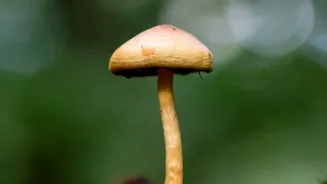
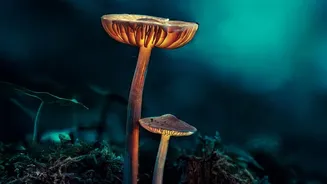
season. While commercially grown mushrooms are generally safe, the damp weather can cause them to spoil much faster. Furthermore, the season encourages the growth of wild varieties that can easily be mistaken for edible ones, posing a significant health threat. Many poisonous species, like the deadly Amanita or "death cap," look similar to safe ones, and their toxins are not destroyed by cooking.
The Danger of Foraging: A Risk Not Worth Taking
It can be tempting to pick fresh mushrooms that pop up in gardens or forests. However, experts across the board issue a stern warning against it. There is no simple rule or home test to distinguish a safe mushroom from a toxic one. Common myths—such as believing poisonous mushrooms are brightly coloured, have a bad smell, or are safe if animals eat them—are dangerously misleading. Even experienced foragers can make fatal mistakes, as many deadly mushrooms closely resemble edible species at various stages of their growth. Given that some poisonings can lead to severe organ damage or death, the only safe approach is to avoid wild mushrooms entirely.
Your Best Defence: Smart Shopping Habits
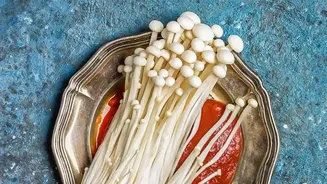
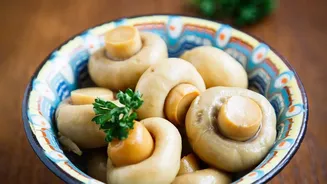
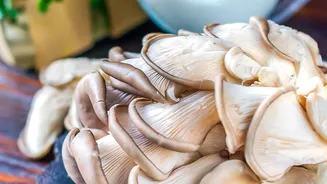
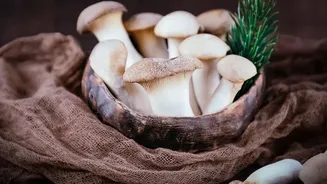
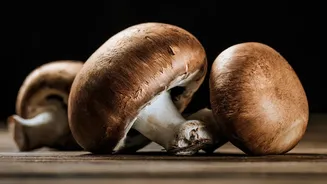
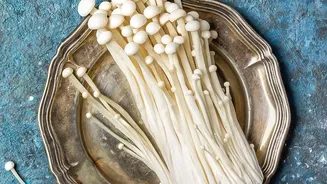
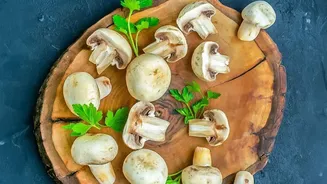
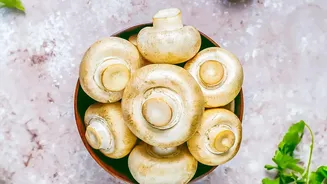
The safest way to enjoy mushrooms is to purchase them from a reputable source like a well-known grocer or a trusted vendor. Commercially cultivated mushrooms, such as button or shiitake, undergo quality control. When buying, inspect them carefully. Fresh, safe mushrooms should be firm, dry, and free of dark spots or a slimy texture. Avoid any that appear bruised, discoloured, mushy, or have an unpleasant, sour smell. Since mushrooms have a high water content, they are prone to rapid spoilage in the humid monsoon weather. It is best to buy them in smaller quantities that you plan to use quickly.
Proper Storage and Preparation
Once you bring mushrooms home, proper storage is crucial. Refrigerate them as soon as possible. Avoid storing them in sweaty plastic bags. Instead, keep them in a paper bag, which allows them to breathe and prevents moisture buildup. Do not wash mushrooms until you are ready to cook them, as excess moisture will accelerate spoilage. Before cooking, you can wipe them with a damp cloth or rinse them quickly under running water. Thorough cooking is essential, as it helps kill harmful bacteria that can thrive in the damp monsoon climate. Never consume mushrooms raw.
Recognising the Signs of Mushroom Poisoning
Symptoms of mushroom poisoning can vary depending on the type of mushroom consumed. Common signs of gastrointestinal distress from spoiled or mildly toxic mushrooms include nausea, vomiting, stomach cramps, and diarrhoea. These symptoms can appear anywhere from 30 minutes to a few hours after consumption. However, a concerning red flag for more dangerous toxins, like those from the death cap mushroom, is a delay in symptoms, which may not appear for six hours or more. These delayed symptoms can progress to severe liver and kidney damage. Other potential symptoms include confusion, hallucinations, or a rapid heart rate.