
Meet the Ancient Superfood: Finger Millet
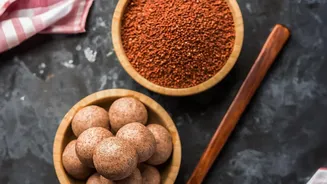
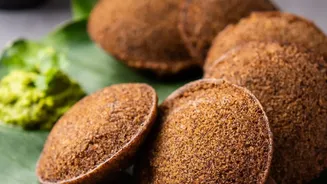
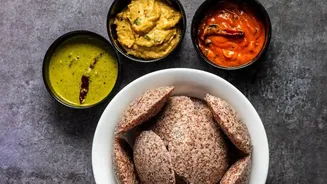
Finger millet, known commonly across India as ragi or nachni, is an ancient grain that has been a dietary staple for thousands of years. This humble millet is experiencing a well-deserved resurgence as a modern superfood, celebrated for its robust nutritional
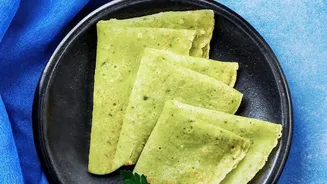
profile and versatility in the kitchen. Naturally gluten-free, ragi provides a wholesome alternative for those with sensitivities or anyone looking to diversify their diet. Its earthy, nutty flavour makes it an excellent base for a variety of dishes, from traditional porridge to the delightful savoury crepes we'll explore here.
The Nutritional Powerhouse
What makes ragi a morning champion? It's packed with essential nutrients. Among all cereals, finger millet boasts the highest concentration of calcium, crucial for maintaining strong bones and teeth. It is also an excellent source of dietary fibre, which aids in digestion, promotes a feeling of fullness, and can help with weight management. Furthermore, ragi is rich in iron, which is vital for preventing anaemia and boosting energy levels. Its low glycemic index means it releases sugar into the bloodstream slowly, helping to regulate blood sugar levels and provide sustained energy, making it an ideal choice for a diabetic-friendly diet.
Crafting the Perfect Instant Batter
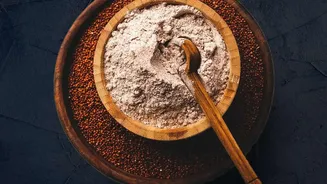
The beauty of these savoury crepes lies in their simplicity. Unlike traditional dosas that require hours of fermentation, this instant batter comes together in minutes. For a basic recipe, you will need ragi flour, rice flour for crispiness, and a touch of salt. Some recipes also incorporate a small amount of yogurt or besan (chickpea flour). In a large bowl, combine half a cup of ragi flour with half a cup of rice flour and salt to taste. To make it more flavourful, you can add finely chopped onion, green chillies, grated ginger, and fresh coriander leaves. Gradually add water while whisking continuously to form a smooth, lump-free batter. The key is to achieve a thin, pourable consistency, almost like buttermilk or thin milk. Let the batter rest for at least 15-30 minutes to allow the flours to hydrate properly.
Cooking Your Savoury Crepes
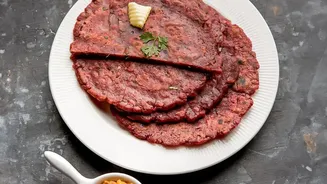
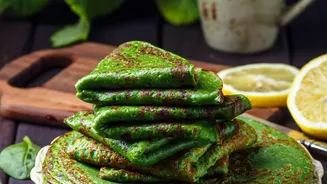
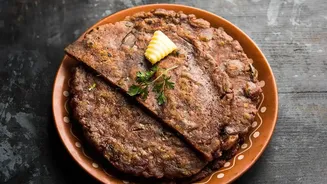
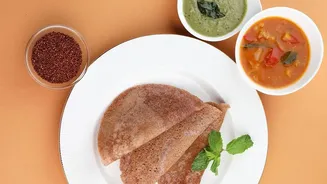
Cooking these crepes, often called ragi dosas, is an art that's easy to master. Heat a non-stick or well-seasoned cast-iron tava over medium heat. The pan needs to be hot enough that when you sprinkle a few drops of water, they sizzle and evaporate immediately. Before pouring your first crepe, it's a good practice to grease the pan lightly with oil or ghee and wipe it with a paper towel. Because the batter is thin, you pour it onto the pan rather than spreading it. Starting from the edges, pour the batter in a circular motion towards the centre to create a lacy, thin crepe. Drizzle a little oil or ghee around the edges and cook for 2-3 minutes on medium heat until the edges become golden brown and start to lift from the pan. These crepes are often cooked on just one side. Once crispy, gently fold it over and serve hot.
Tips for Success and Serving
To ensure your crepes turn out perfectly thin and crispy, keep these tips in mind. First, always stir the batter right before making each crepe, as the flour tends to settle at the bottom. If the batter thickens while resting, don't hesitate to add more water to maintain its thin consistency. A very hot pan is crucial; if it's not hot enough, the batter may stick. Patience is key—let the crepe cook until it becomes crisp and the edges naturally release before trying to fold it. These savoury ragi crepes are wonderfully versatile. Serve them immediately with a side of coconut chutney, tomato chutney, or sambar for a classic South Indian breakfast experience. They also pair well with a simple podi (spice powder) mixed with ghee.