




What is Shrikhand?
At its heart, Shrikhand is a deceptively simple dessert with a rich, complex flavour. It’s made from hung curd, or 'chakka', which is yogurt that has been strained for hours in a muslin cloth to remove all its whey. This process results in a thick, velvety
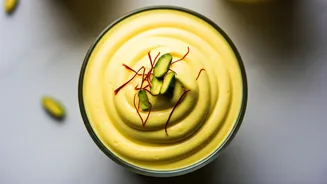
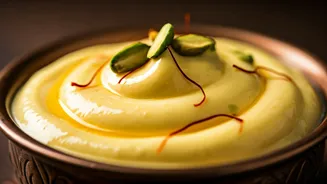
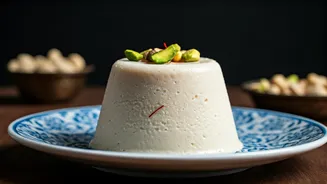
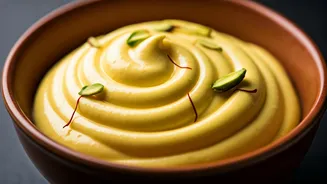
base, similar in consistency to Greek yogurt or even cream cheese. This creamy foundation is then sweetened, typically with powdered sugar to ensure a smooth texture, and infused with aromatic spices. The most popular version, Kesar Shrikhand, is flavoured with precious saffron (kesar), which imparts its signature golden hue and delicate floral notes, and green cardamom (elaichi) for a touch of warmth and fragrance. Often garnished with slivered pistachios and almonds, it’s a dessert that is as beautiful as it is delicious.
A Dessert Steeped in History
While it may be trending now, Shrikhand is one of India's oldest desserts, with a history that stretches back centuries. Food historians trace its origins to as early as 500 BC. The first recorded mentions appear in Kannada literature around 1025 AD, where a similar dish called 'Shikharini' is described. This ancient recipe, found in texts like the 'Lokopakara', details the process of straining yogurt and mixing it with sweeteners and spices, a method that remains virtually unchanged today. Both Gujarat and Maharashtra lay claim to the dessert, where it is a cornerstone of festive and celebratory meals. Legend even links its invention to traveling herders who would strain yogurt to preserve it, later adding sugar to make it more palatable.
The Saffron Standard
The key to an exceptional Kesar Shrikhand is, of course, the saffron. This prized spice, worth more than its weight in gold, is derived from the delicate stigmas of the Crocus sativus flower. It takes approximately 75,000 flowers to produce a single pound of saffron, which explains its expense. When a few strands are steeped in warm milk or water, they release a brilliant yellow colour and a uniquely sweet, earthy aroma that elevates the entire dish. Paired with the subtle spice of cardamom, the saffron transforms the simple yogurt base into something truly luxurious, creating a flavour profile that is both refreshing and deeply satisfying. This aromatic combination is central to its identity and enduring appeal.
From Festive Tables to Viral Feeds
Shrikhand has long been a celebratory staple, especially during festivals like Gudi Padwa, Diwali, and Janmashtami. It symbolizes prosperity and joy, often served alongside hot, puffy puris for a delightful sweet and savoury contrast. So, why is this traditional dessert suddenly having a major moment on social media? The answer lies in its visual appeal and the growing appreciation for regional, heritage cuisine. Its vibrant colour and creamy, swirled texture are incredibly photogenic, making it a natural star on Instagram and food blogs. Moreover, as people explore deeper culinary traditions, Shrikhand represents an authentic taste of India that is both comforting and sophisticated. It’s a perfect example of a timeless classic finding new life and a global audience in the digital age, proving that some traditions are perfectly suited for the modern palate.