







Recent air quality reports from North India have been alarming, with Bikaner and Bathinda recording dangerously high pollution levels. But what do these numbers mean for your health? Here’s what doctors want you to know about fine-particle exposure.
Decoding the Danger: What Is PM2.5?
The
main culprit behind the alarming Air Quality Index (AQI) readings is PM2.5—fine particulate matter less than 2.5 micrometres in diameter. To put that into perspective, these particles are about 30 times smaller than a human hair. Because they are so microscopic, they can bypass the body's natural defences, like nose hair and mucus, which normally filter out larger particles. Instead, PM2.5 particles travel deep into the lungs and can even enter the bloodstream. This allows them to cause inflammation and damage not just to the respiratory system, but to nearly every organ in the body, including the heart and brain. There is no level of PM2.5 exposure that is considered completely safe.
Bikaner and Bathinda: A Hazardous Reality
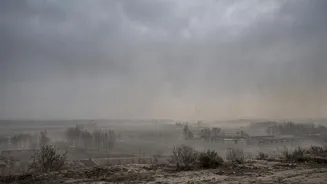
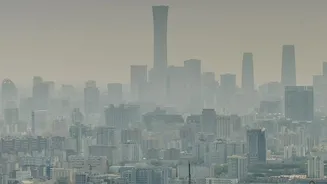
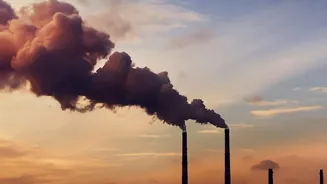
On November 4, 2026, Bikaner in Rajasthan reported a staggering AQI of 1,357, making it the most polluted city in the country at the time. Punjab's Bathinda was not far behind, with readings crossing 1,000 in early November. For context, an AQI between 0 and 50 is considered 'Good'. Levels above 301 are categorised as 'Hazardous', representing a state of emergency where air is toxic for everyone. The readings in Bikaner and Bathinda were more than four times the hazardous threshold. This severe pollution is not an isolated event but part of a broader regional crisis in North India, fueled by a combination of stubble burning, vehicular and industrial emissions, and weather conditions like low wind speeds that trap pollutants near the ground.
The Immediate Health Toll: What Doctors See
Doctors and pulmonologists warn that during high-pollution episodes, there is an immediate spike in certain health issues. Short-term exposure to high levels of PM2.5 can cause eye, nose, and throat irritation, persistent coughing, chest tightness, and shortness of breath. For individuals with pre-existing conditions, the effects are more severe. People with asthma and Chronic Obstructive Pulmonary Disease (COPD) experience more frequent and intense flare-ups. There is also a documented increase in emergency room visits and hospital admissions for respiratory infections and cardiovascular events, such as heart attacks and strokes, on high-pollution days.
Long_Term Risks Doctors Warn About
While the short_term effects are concerning, medical experts are deeply worried about the consequences of long_term exposure. Chronic exposure to PM2.5 is linked to a frightening range of non_communicable diseases. It can accelerate the decline in lung function over time, increase the risk of developing chronic bronchitis, and even lead to lung cancer. The danger extends beyond the lungs; studies have shown a strong correlation between long_term PM2.5 exposure and a higher risk of heart disease, strokes, diabetes, and neurological disorders like dementia. For children, it can stunt lung development, and for pregnant women, it raises the risk of preterm birth and low birth weight.
How to Protect Yourself : Expert Advice
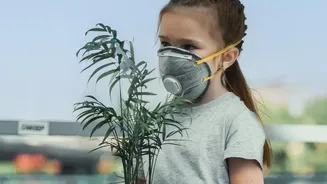
While a systemic solution is needed , doctors advise taking immediate personal precautions . The first step is to monitor the AQI daily . On days with 'Poor' or 'Hazardous' air quality , it's crucial to limit outdoor exposure , especially for children , the elderly , and those with chronic health conditions . Avoid strenuous outdoor exercise like running or cycling , as it increases the volume of polluted air you inhale . If you must go out , wear a well_fitted N95 mask , as simple cloth or surgical masks offer little protection against PM2.5 . At home , keep windows and doors closed . Using a HEPA_filter air purifier in the rooms where you spend the most time can significantly reduce indoor particle levels . Staying hydrated and eating a diet rich in antioxidants can also help support your body's defence mechanisms .