







What Are Microplastics?
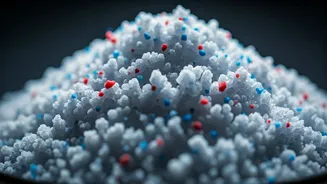
Microplastics are extremely small pieces of plastic debris, defined as particles less than 5 millimeters in diameter. They are not a single type of material but a varied collection of fragments, fibres, and films originating from the breakdown of larger
plastic items like bags, bottles, and packaging. They can also be intentionally manufactured as microbeads for use in cosmetics and cleaning agents. Due to their tiny size and durability, they have become a pervasive environmental pollutant, found everywhere from the deepest oceans to the air we breathe and, alarmingly, the food we eat.
An Unwanted Ingredient in Indian Kitchens
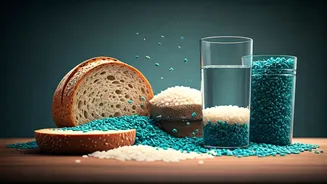
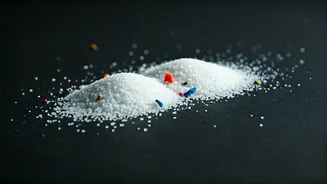
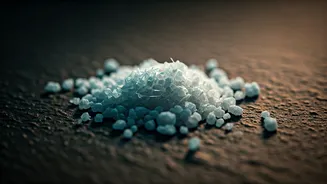
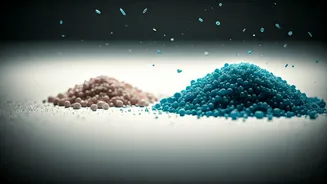
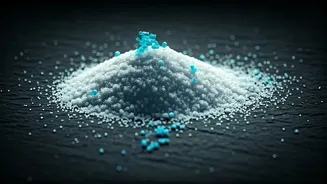
Recent research has brought this issue home to India with startling clarity. A study by the environmental research organization Toxics Link found microplastics in all tested samples of Indian salt and sugar brands, whether they were packaged or sold loose. The study analyzed ten types of salt—including table salt, sea salt, and rock salt—and five types of sugar. The concentration of these plastic particles varied, with iodised salt showing the highest levels (89.15 pieces per kilogramme) and organic rock salt the lowest. Non-organic sugar also contained higher concentrations than its organic counterparts. These particles come in various forms, including fibres and fragments, and their presence raises serious questions about the purity of our most basic food ingredients.
How Do They Get into Our Food?
The contamination pathways are numerous and complex. For sea salt, the primary source is polluted ocean water, where immense quantities of plastic waste break down over time. For other staples, contamination can occur during the manufacturing process, from abrasion of plastic equipment, or through packaging. Plastic packaging itself can shed particles into the food it contains, especially when exposed to heat or if the packaging is damaged. Dust in the air, which contains microplastics from sources like synthetic textiles and tyre wear, can also settle on food during production, transport, or even in our own homes. The widespread plastic pollution in our environment means these tiny invaders can infiltrate the food chain at multiple points.
What Are the Health Risks?
The long-term health impact of ingesting microplastics is a growing area of scientific research, and the findings are concerning. While research on humans is still developing, studies have detected microplastics in human blood, lungs, and even breast milk. Animal and cellular studies have linked exposure to adverse effects such as inflammation, metabolic disorders, and reproductive and developmental toxicity. The plastics themselves can cause physical damage to organs, but scientists are also concerned about the chemical additives they carry. Substances like plasticisers and flame retardants, known to have negative health effects, can leach from the plastic particles once inside the body. Experts stress that more comprehensive research is urgently needed to fully understand the risks to human health.
What Can You Do to Reduce Exposure?
While completely avoiding microplastics is nearly impossible, you can take practical steps to minimize your intake. Start by reducing your reliance on single-use plastics. Opt for food stored in glass or metal containers over plastic. Avoid microwaving food in plastic containers, as heat can increase the shedding of particles; transfer food to a ceramic or glass dish first. When possible, choose fresh, unprocessed foods over heavily packaged options. Using wooden or metal cutting boards and utensils instead of plastic can also help. While these are individual actions, they contribute to reducing your personal 'plastic diet' and raising awareness about the broader issue.