

The Golden Rules of Festival Travel
Before diving into city-specific advice, a few universal rules apply. First, book everything—flights, trains, and accommodation—months in advance. Prices surge and availability vanishes as festival dates approach. Second, travel light but smart. Comfortable
footwear is non-negotiable, as you will be walking extensively. Pack modest clothing for temple visits, keep a digital and physical copy of emergency contacts, and ensure your phone is always charged. Finally, adjust your schedule. Most attractions are quieter in the early mornings, while festival crowds peak in the evenings when decorations are fully lit. If you feel overwhelmed, remember that you can often experience the same vibrant atmosphere in smaller neighbourhood events instead of the main epicentres.
Kolkata During Durga Puja: An Artistic Marathon
Durga Puja turns Kolkata into a city-wide art gallery, with thousands of elaborate temporary structures called 'pandals'. The crowds, especially from the evening of Saptami onwards, are immense. The most efficient way to get around is the Kolkata Metro, which runs extended hours during the festival. For short distances between pandal clusters, walking is often faster than any vehicle. A smart strategy is to choose a few key pandals you want to see rather than trying to visit them all. To beat the crowds, consider 'pandal-hopping' in the morning or after midnight, when the throngs thin out but the installations remain beautifully illuminated. Don't miss out on the street food and the community 'bhog' (festive meals) offered at many pandals for an authentic taste of the celebration.
Delhi and Varanasi for Diwali: A Tale of Two Lights
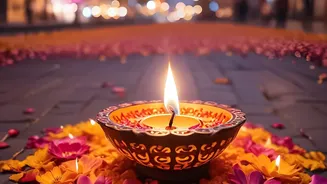
Diwali, the festival of lights, is celebrated with gusto across North India. In Delhi, the main challenge is navigating the packed markets like those in Sundar Nagar and the heavy traffic. Public transport can be crowded, so plan your journeys with buffer time. Major cultural shows and Ramlila performances, especially at the Red Fort grounds, are a must-see but require planning. In Varanasi, the experience is centered on the ghats of the Ganges. To witness the spectacular Ganga Aarti and the lighting of countless diyas, consider a boat ride, but book it well in advance. A unique alternative is Dev Deepavali, which takes place about two weeks after Diwali and sees the ghats lit with millions of lamps, offering a visually stunning, if still crowded, experience.
Ahmedabad for Navratri: Dance the Night Away
Navratri in Gujarat, particularly in Ahmedabad and Vadodara, is defined by nine nights of energetic Garba and Dandiya Raas. Massive, well-organized events are held at venues like GMDC Ground, which can host thousands of dancers. While some events are free, many of the most popular ones are ticketed and can be expensive. For a less overwhelming experience, look for smaller community or society-led Garba gatherings, which offer a more intimate and family-friendly atmosphere. The energy is contagious, and locals are often happy to teach newcomers the basic steps. Remember to stay hydrated and be mindful of your belongings in the dense crowds.
Mysore for Dasara: A Royal Procession
Mysore's Dasara festival is famous for its royal heritage, culminating in the grand 'Jamboo Savari' (elephant procession) on Vijayadashami day. The main event draws enormous crowds to the streets around the Mysore Palace. To get a decent view without being crushed, you either need to arrive hours early to find a spot or consider purchasing tickets for the viewing pavilions, though even these can get overcrowded. A key highlight is the daily illumination of the Mysore Palace with nearly 100,000 bulbs. To avoid the biggest weekend crowds, try to view the palace on a weekday evening. Climbing Chamundi Hill for a visit to the temple is another popular activity, best done early in the morning to avoid long queues.