







From Dining to 'Eatertainment'
The line between dining and entertainment is blurring, giving rise to a trend known as 'eatertainment'. For many Gen Z consumers, born roughly between 1997 and 2012, going out for a meal is an event, not just a transaction. They are seeking more than
just good food; they want an immersive experience that engages the senses. This means restaurants are evolving into social hubs that offer everything from interactive games like tech-enhanced mini-golf to themed pop-ups and DIY meal stations. The goal is to create a memorable outing that invites guests to stay longer, engage more deeply, and ultimately, walk away with a story to tell. This shift is driven by a generation that consistently prioritizes spending on experiences over material goods.
Designing for the Digital Eye
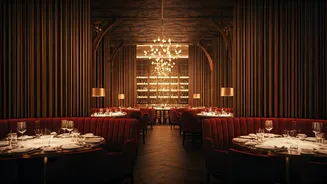
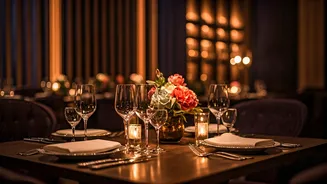
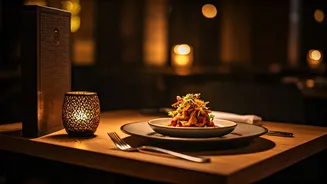
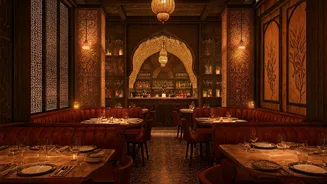
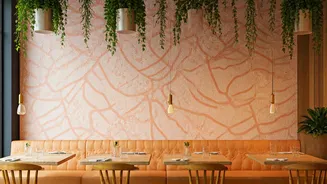
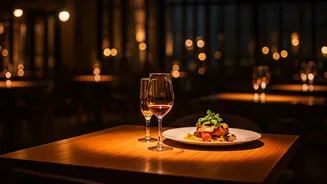
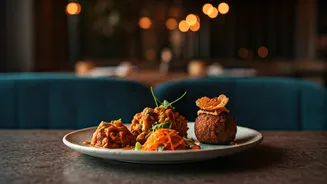
Long before a Gen Z diner walks through the door, they've likely already visited the restaurant online. Platforms like TikTok and Instagram have become the new discovery engines, with data showing a significant majority of Gen Z diners try restaurants based on what they see on social media. This has put immense pressure on restaurants to be visually appealing. The result is a surge in 'Instagrammable' design choices: vibrant murals, unique light fixtures, aesthetic plating, and photogenic decor are no longer just details—they're strategic marketing tools. A visually striking dish or a well-designed corner can lead to a flood of user-generated content, which acts as powerful, free advertising. Some establishments even see a direct correlation between influencer partnerships and spikes in reservations.
The Search for Authenticity
While a picture-perfect setting is a major draw, Gen Z can also spot a gimmick from a mile away. Authenticity is a non-negotiable part of the experience. This generation values transparency, wanting to know where their food comes from and what a brand stands for. Restaurants that succeed are those that tell a genuine story, whether it's through showcasing local sourcing, celebrating the cultural heritage of their cuisine, or being transparent about their sustainability practices. A focus on values is not just a moral stance but a business imperative, as many young consumers state they are more likely to visit restaurants that communicate their environmental and social commitments. The visual appeal must be backed by substance and a story that resonates.
Community and Connection Over Everything
Beyond the digital sharing, there's a deep-seated desire for real-world connection. Raised in a hyper-connected digital world, Gen Z is paradoxically driving a resurgence in communal social experiences. This is seen in the revival of communal dining tables, which a reported 90% of Gen Z diners enjoy as a way to meet new people. The preference extends to menus as well, with shareable plates becoming a new standard that naturally turns dinner into a shared activity. These trends point to a generation looking for reasons to gather and be present offline. Restaurants that facilitate this through their layout, menu, and atmosphere are tapping into a powerful need for community and creating loyal customers who feel a sense of belonging.