



The perfect besan ladoo is a thing of beauty: a fragrant, melt-in-your-mouth sphere of nutty sweetness. Yet, many home cooks are left with results that are either too hard, too dry, or too soft. The secret lies in one thing: moisture.
The Foundation: Your Ingredients
The journey to a
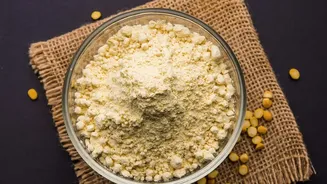
perfect ladoo begins with your ingredients. While only a few items are needed, their quality is paramount. For the besan, or gram flour, freshness is key. Old flour can taste bitter. Many traditional recipes call for a coarser variety, sometimes sold as 'ladoo besan', which gives the final product a desirable grainy texture. However, fine besan also works well; you just need to be more attentive during roasting. The second critical component is ghee. Using good quality, pure ghee will impart a rich, nutty aroma that is the hallmark of this sweet. Finally, for sweetness, you can use finely powdered sugar or traditional 'boora' or 'tagar'. It's important that the sugar is fine to avoid a gritty texture. You can easily grind regular granulated sugar at home in a mixer until it's a fine powder.
The Art of Roasting: Patience is Key
This is the most crucial step and where the magic truly happens. Roasting the besan correctly develops its flavour and ensures the right texture. Rushing this process on high heat is the most common mistake, leading to a raw, pasty taste even if the colour looks right. The key is to roast on a low to medium-low flame, stirring constantly. Start by melting some of the ghee in a heavy-bottomed pan, then add the besan. At first, the mixture will look lumpy and thick. But as you continue to stir for 20-25 minutes, it will loosen, become smooth, and turn a beautiful golden brown. Your kitchen will fill with a wonderfully nutty aroma, which is your main cue that the besan is perfectly roasted. Just before it's done, the mixture will start to release the ghee, looking shiny at the edges.
Mastering the Ghee Balance
Ghee is the primary source of moisture and fat, and getting the quantity right is essential for binding the ladoos. Too little ghee results in a dry, crumbly mixture that won't hold its shape, while too much can make the ladoos too soft or greasy. A good rule of thumb is a 2:1 ratio of besan to ghee by weight. However, the best approach is to add it gradually. Start by roasting the besan in about half the total ghee. As you roast, the besan will absorb the fat. If the mixture feels too dry as you stir, add more warm, melted ghee a little at a time until it becomes a smooth, paste-like consistency. The final roasted mixture should be cohesive but not swimming in fat.
The Sweet Spot: When to Add Sugar
The timing of when you add sugar dramatically affects the final moisture and texture. Adding sugar to a very hot besan mixture is a critical error. The heat will cause the sugar to melt, making the entire mixture oily, sticky, and too soft to shape properly. Once your besan is perfectly roasted, remove the pan from the heat and let the mixture cool down until it is just warm to the touch. This is the ideal temperature to add your powdered sugar, along with any flavourings like cardamom powder or chopped nuts. Mix everything thoroughly, using your hands to ensure the sugar is evenly incorporated and no lumps remain.
Troubleshooting and Shaping
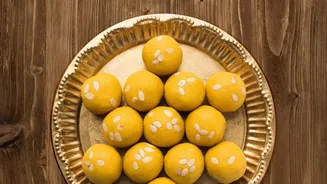
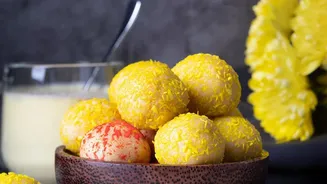
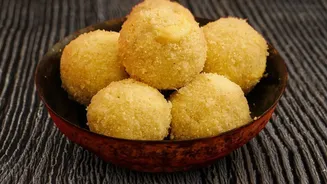
Even with careful preparation, sometimes the mixture needs a final adjustment. If your mixture seems too dry and crumbly to form into balls, add a tablespoon or two of warm, melted ghee and mix again. If, on the other hand, the mixture is too soft and won't hold its shape, it's likely too warm or has excess ghee. Simply place the mixture in the refrigerator for 15–20 minutes. This will help the ghee solidify slightly, making it much easier to handle. Once the consistency is right, take small portions and press firmly between your palms, rolling to form smooth, round ladoos.