


Why You Shouldn't Discard the Peels
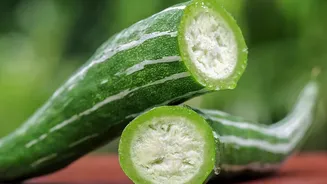
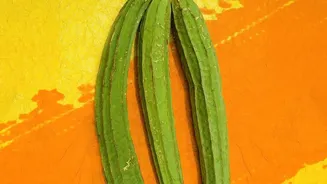
Before we get to the chopping, it's worth knowing why bottle gourd (lauki) peels deserve a place on your plate. The skin of the gourd is a fantastic source of dietary fibre, which is essential for good digestion and gut health. It's also rich in vital
nutrients, including potassium and Vitamin C, along with antioxidants like flavonoids that help combat inflammation. By using the peels, you're not just cutting down on kitchen waste; you're also adding a nutritious boost to your meals. Think of it as a smart, sustainable, and healthy choice all in one.
Preparation: The First Crucial Step
Proper preparation is key to turning tough peels into a tender kebab mixture. Start by washing the bottle gourd thoroughly under running water. Use a vegetable brush to scrub away any dirt or residue. If you suspect the gourd has been waxed, you can blanch it in hot water for a minute. When peeling, try to use a knife instead of a peeler to retain a small amount of the flesh along with the skin. This adds a bit more texture and substance. Once peeled, give the strips another quick rinse. Some recipes suggest lightly boiling or steaming the peels for a few minutes to soften them, then squeezing out any excess water before chopping. This step makes the subsequent chopping process much easier.
Manual Method: The Classic Knife and Board
For those who prefer a hands-on approach, a sharp knife and a sturdy cutting board are all you need. The goal is to get the peels as fine as possible so they integrate smoothly into the kebab mix. Start by stacking a few peel strips on top of each other. Roll them up tightly into a small log. Holding the roll firmly, use your knife to slice it into very thin rounds, creating fine shreds. Once you have a pile of these shreds, run your knife through them repeatedly in a cross-hatch pattern. Continue chopping until the pieces are minced to a texture that resembles coarse breadcrumbs. This method gives you complete control over the final size of the pieces.
Gadget Power: Using a Food Processor
If you're short on time or making a large batch, a food processor is your best friend. It makes quick work of tough peels, ensuring a uniform and fine texture. After cleaning the peels, you can either chop them into rough one-inch pieces or use them as is. Place them in the food processor bowl, ensuring you don't overfill it. Use the 'pulse' function in short bursts. Pulsing prevents the peels from turning into a watery paste and gives you more control over the texture. Scrape down the sides of the bowl periodically to ensure everything is chopped evenly. A few quick pulses are all it takes to get the peels ready for your kebab mixture.
Simple Bottle Gourd Peel Kebab Recipe
Now that your peels are finely chopped, it's time to make the kebabs. In a large bowl, combine two cups of finely chopped bottle gourd peels with one cup of gram flour (besan) as a binder. To this, add one finely chopped onion, a tablespoon of ginger-garlic paste, a couple of chopped green chillies, and a handful of fresh coriander. For seasoning, add salt to taste, along with half a teaspoon each of turmeric powder, red chilli powder, and garam masala. Mix everything together thoroughly. If the mixture feels too wet, add a little more besan. If it feels too dry to hold its shape, a sprinkle of water will help. Let the mixture rest for about 10 minutes.
Shaping and Cooking Your Kebabs
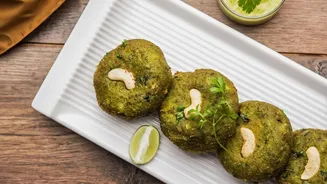
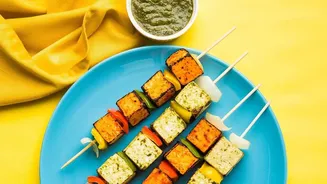
Take small portions of the mixture and shape them into round, flat patties or small tikki shapes. Heat a non-stick pan or tawa over a medium flame and add a teaspoon or two of oil. Once the oil is hot, carefully place the kebabs on the pan, leaving some space between them. Cook them on medium-low heat to ensure they cook through without burning on the outside. After a few minutes, when the underside is golden brown and crisp, gently flip them over. Cook the other side until it's equally golden and crisp. Serve the hot kebabs immediately with mint chutney or your favourite sauce for a delicious and sustainable snack.