

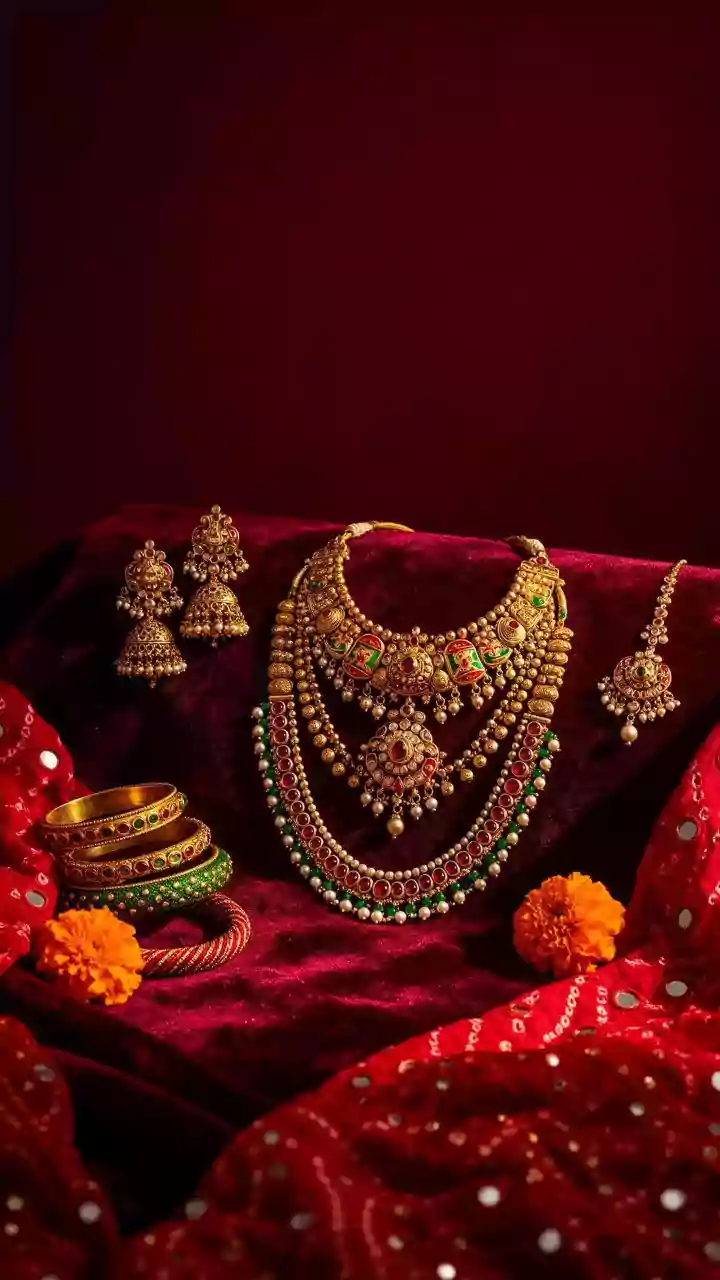




As diyas light up homes and the festive spirit fills the air, another tradition shines just as brightly: buying gold. But why does this precious metal, especially as jewellery, consistently win over other modern investment options?
A Tradition Rooted in Mythology
The preference for gold
during festival seasons like Diwali is deeply woven into India's cultural and mythological fabric. The celebration, particularly on Dhanteras, is intrinsically linked to Lakshmi, the Goddess of wealth and prosperity. Families believe that purchasing gold on this auspicious day invites her blessings, ensuring financial well-being for the year ahead. This act is more than a transaction; it's a ritual passed down through generations, symbolizing hope, renewal, and good fortune. This historical and spiritual significance gives gold an emotional weight that stocks or bonds simply cannot replicate.
The Ultimate Financial Safety Net
Beyond its divine associations, gold serves a profoundly practical purpose as a tangible store of value and a financial safety net. For many, especially in rural areas, trust in traditional banking can be limited, making physical gold a reliable form of savings outside the formal financial system. It acts as a robust hedge against inflation, consistently preserving purchasing power through economic ups and downs. This quality is particularly reassuring during times of uncertainty. Moreover, gold jewellery has traditionally been a critical component of 'Streedhan,' providing women with a degree of financial security and independence. This dual role as both an adornment and a secure asset makes it a uniquely resilient investment.
Gold vs. The Alternatives
When compared to other major asset classes, gold holds its own with distinct advantages. Unlike real estate, which requires a very high initial investment and has low liquidity, gold can be purchased in small, affordable quantities and is easily convertible to cash anywhere in the world. This high liquidity makes it an ideal emergency fund. While the stock market can offer higher long-term growth potential, it comes with significant volatility. Gold, in contrast, is often seen as a portfolio stabilizer, tending to perform well when equities are under stress. It provides a sense of security and stability that many Indian families prioritize, especially when making emotion-driven festive purchases.
The Modern Investor's Golden Touch
The relationship with gold is evolving, especially among younger generations. While the cultural significance remains, a more practical, investment-led mindset is taking hold. A 2026 survey found that 62% of Gen Z and Millennial respondents still prefer gold over mutual funds or stocks, viewing it as the safest option. However, their approach is changing. Buying decisions are more personal and less driven by family tradition. There's a clear trend towards smaller, more frequent purchases, often of less than five grams, triggered by personal milestones like a first salary. The rise of digital gold, gold ETFs, and Sovereign Gold Bonds (SGBs) has made investing more accessible and convenient, blending age-old trust with modern technology. Young investors are now treating gold less like a locker asset and more like an active part of their financial planning.