





The Science Behind the Squeeze
The primary reason for this dangerous interaction lies with a group of natural compounds called furanocoumarins. These chemicals are found in high concentrations in certain citrus fruits. Their main effect is to block or inhibit a crucial enzyme in your
small intestine called Cytochrome P450 3A4, or CYP3A4 for short. Think of CYP3A4 as a gatekeeper that metabolizes, or breaks down, many oral medications before they enter your bloodstream. This process ensures that only the intended amount of the drug gets absorbed. When furanocoumarins inhibit this enzyme, the gatekeeper is essentially neutralized, allowing much more of the drug to flood into your system than your body is prepared for. This can lead to dangerously high concentrations in the blood, effectively turning a prescribed dose into an overdose.
More Than Just Grapefruit
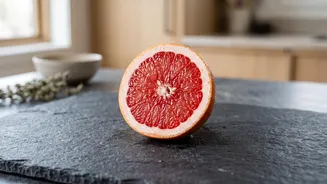
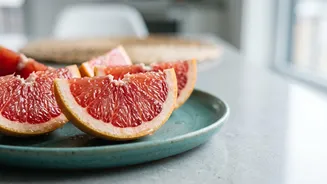
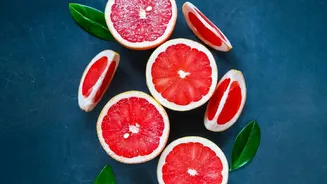
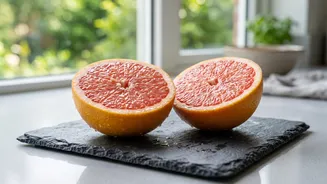
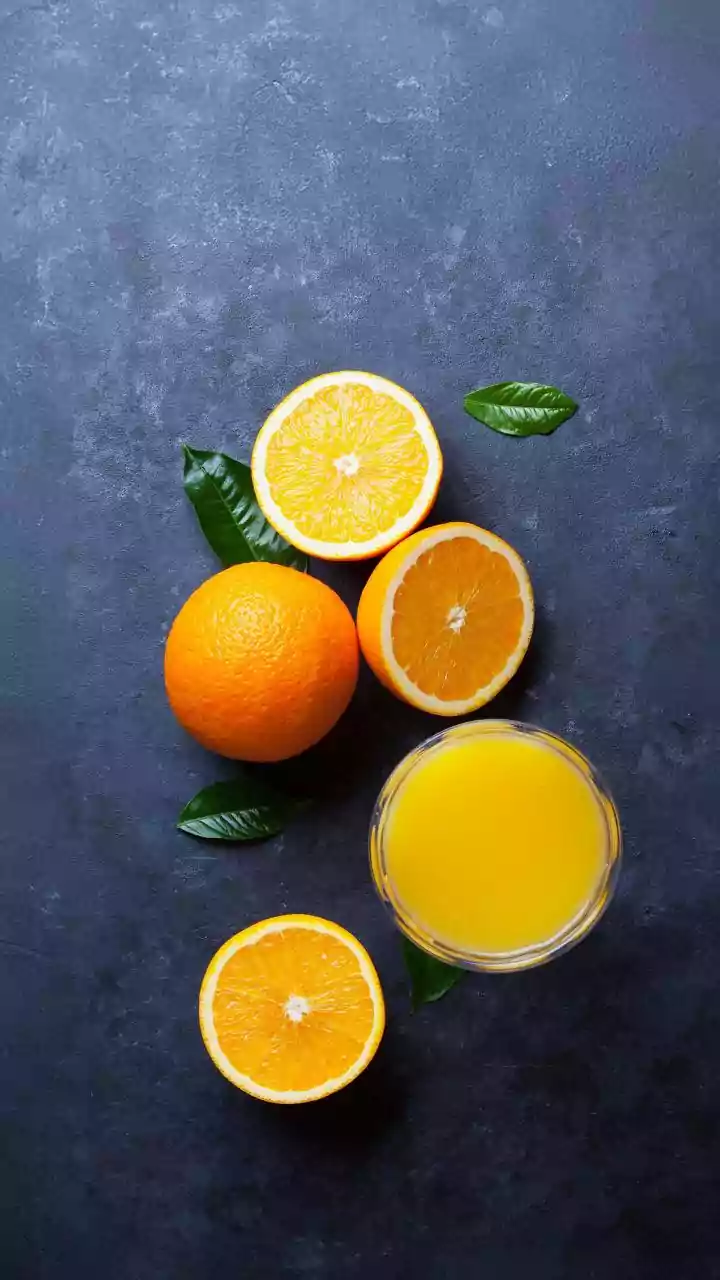
While grapefruit is the most well-known offender, it’s not alone. Other citrus fruits also contain furanocoumarins and can cause similar interactions. Seville oranges, which are often used to make marmalade, are potent inhibitors of the same enzyme. Pomelos and tangelos (a hybrid of a tangerine and grapefruit) also carry a similar risk and should be avoided if your medication has a grapefruit warning. Interestingly, some juices can have the opposite effect. Apple and orange juice, for instance, have been found to block drug transporters in the body, which can decrease the absorption of certain medications like the antihistamine fexofenadine (Allegra), making them less effective.
A Wide Range of Affected Medicines
The list of medications affected by this interaction is extensive, covering many common conditions. Some of the most critical categories include: certain statin drugs used to lower cholesterol, like atorvastatin (Lipitor) and simvastatin (Zocor); some blood pressure medications, such as nifedipine; and certain anti-anxiety drugs, like buspirone. Other affected drug classes include some organ transplant rejection drugs, corticosteroids, blood thinners like apixaban (Eliquis), and even erectile dysfunction medications like sildenafil (Viagra). Because the CYP3A4 enzyme is involved in processing nearly half of all drugs on the market, the potential for interaction is significant. However, not all drugs within a class are affected equally, making it vital to check specific warnings.
The Danger Is Not Immediate
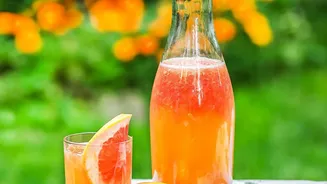
One of the most deceptive aspects of this interaction is that its effects are not fleeting. Consuming a single glass of grapefruit juice can inhibit the CYP3A4 enzyme for up to 72 hours. This means you cannot simply space out your medication and juice consumption by a few hours to stay safe. The enzyme has to regenerate, a process that can take more than a day. This prolonged effect makes accidental overdose a serious risk for anyone regularly consuming these fruits while on an interacting medication. The consequences can be severe, ranging from muscle and liver damage with statins to dangerous drops in blood pressure or abnormal heart rhythms.
How to Protect Yourself
The safest approach is to be proactive and informed. Always read the patient information leaflet that comes with your prescription, which will list any known food interactions. The U.S. Food and Drug Administration (FDA) requires warnings on medications known to interact with grapefruit. When you are prescribed a new medicine, make it a habit to ask your doctor or pharmacist specifically about any interactions with foods or beverages, including citrus. If your medication has a warning, it's best to avoid grapefruit, Seville oranges, pomelos, and tangelos entirely—both the whole fruit and the juice. When in doubt, the safest liquid to take any medication with is always a full glass of water.