



The Monsoon Danger Zone
The combination of warm temperatures and high humidity during the rainy season creates an ideal breeding ground for bacteria, mould, and fungi. The air is saturated with moisture, which helps these microorganisms multiply at an explosive rate on the surface
of cooked food. This is why food that would normally last for a day or two can become hazardous much faster. The risk isn't just about spoilage; it's about the increased danger of foodborne illnesses like gastroenteritis and food poisoning, which see a spike during this season.
The Two-Hour Rule Gets Shorter
A standard food safety guideline is the 'two-hour rule': cooked perishable food should not be left at room temperature for more than two hours. During the monsoon, this window shrinks considerably. With temperatures often above 30°C and high humidity, food can enter the bacterial 'danger zone' (between 4°C and 60°C) much quicker. A safer limit to follow during the rainy season is just one hour. This applies to nearly all home-cooked Indian meals, including rice, dal, curries, cooked meats, and dairy-based dishes.
Don't Trust the Smell Test
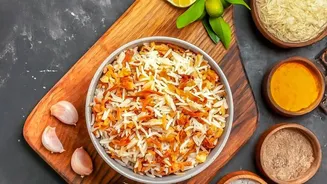
A common mistake is to rely on smell or taste to check if food is still good. However, many harmful bacteria that cause food poisoning do not produce any noticeable off-smell, bad taste, or change in appearance. Food can be contaminated enough to make you sick long before it starts to smell sour or look visibly spoiled. If you are in any doubt about how long a dish has been sitting on the counter, the safest option is always to discard it. This is especially true for high-risk foods like cooked rice, which can harbor bacteria that survive initial cooking and multiply rapidly when left out.
Smart Storage Is Your Best Defence
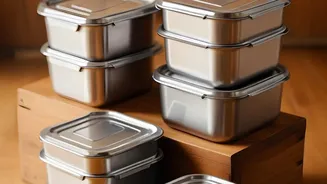
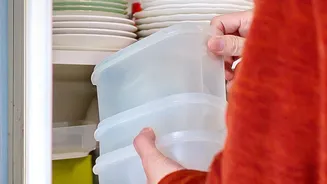
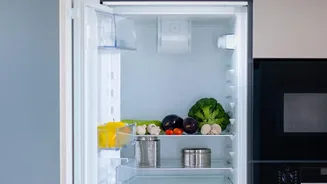
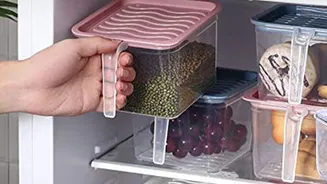
Prompt and proper storage is crucial. Don't leave food on the counter to cool down for hours. Once it has stopped steaming, transfer it into clean, dry, airtight containers and place it in the refrigerator as soon as possible. Storing food in shallow containers helps it cool down faster, reducing the time it spends in the danger zone. Inside the fridge, make sure to keep raw meat and vegetables separate from cooked food to prevent cross-contamination. Regularly cleaning your refrigerator is also key, as mould and bacteria can thrive in a damp, dirty fridge.
How Long Do Leftovers Last in the Fridge?
Even in the refrigerator, food has a shorter shelf life during monsoon. Frequent power cuts and the introduction of warm, moist air every time the door is opened mean fridges often struggle to maintain an ideal temperature. As a general monsoon rule, cooked dal and rice should be consumed within 24 hours. Drier sabzis might last up to 36 hours, but anything with paneer or coconut-based gravy should be eaten within 18-24 hours. Always store leftovers in airtight containers; don't leave a serving spoon inside the dish as it introduces bacteria.
Reheat with a Purpose
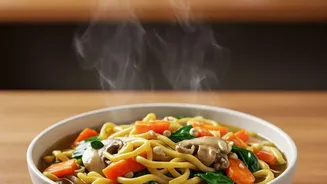
When you're ready to eat leftovers, reheating isn't just about warming the food up; it's about killing any potential bacteria that may have started to grow. Simply warming food is not enough and can sometimes be more dangerous. You must reheat food thoroughly until it is steaming hot all the way through. For liquids like dal and curries, bring them to a full rolling boil before consuming. Proper reheating is your final safety check to ensure the meal is safe to eat.