



Heavy monsoon rains or scorching summer heat can easily derail your fitness plans. But what if you could get a great workout without stepping outside? At-home walking is a simple, effective way to keep moving, no matter the weather.
The Underrated Power of Indoor Walking
Walking inside your
home is more than just a last resort; it's a powerful and convenient form of exercise. It's a low-impact activity, which means it's gentle on your joints, making it suitable for people of all fitness levels and ages. Regular brisk walking for about 30 minutes a day can significantly boost your cardiovascular health, lower blood pressure, reduce the risk of type 2 diabetes, and strengthen your immune system. The controlled indoor environment eliminates outdoor hazards like uneven pavements, traffic, and unpredictable weather, allowing for a consistent and safe workout routine year-round. It requires no special equipment or fees, just a little space and the motivation to get started.
Setting Up for Success
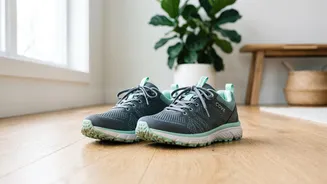
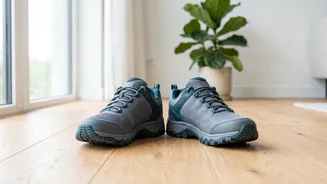
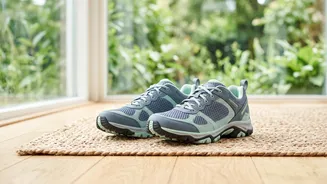
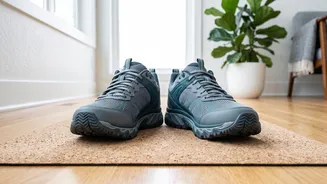
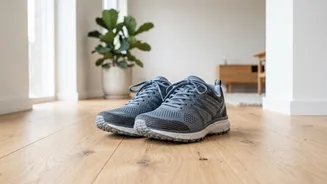
Before you begin, a few simple preparations can make your workout safer and more effective. First, clear a walking path in your home. This could be a loop through a few rooms or simply marching in place in your living room. Ensure the area is well-lit and free of obstacles like rugs, toys, or cords that could cause you to trip. Second, wear comfortable, supportive shoes. Even though you're indoors, proper footwear provides stability and protects your feet and joints. Lastly, think about your posture. Stand tall, engage your core, keep your chest up, and look forward rather than down at your feet. Let your arms swing naturally to help power your movement and increase your heart rate.
Beyond Just Marching in Place
The key to a successful at-home walking routine is variety. Simply marching on the spot is a great start, but incorporating different movements will keep you engaged and challenge different muscle groups. Try these variations:
- High Knees: As you march, lift your knees higher towards your chest to engage your lower abdominal muscles.
- Butt Kicks: Bring your heels up towards your glutes as you walk to work your hamstrings.
- Side Steps: Step from side to side to work your inner and outer thighs.
- Grapevine: A classic aerobic move, step to the side, cross one foot behind the other, step to the side again, and then bring your feet together.
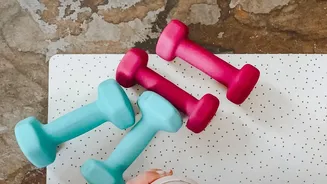
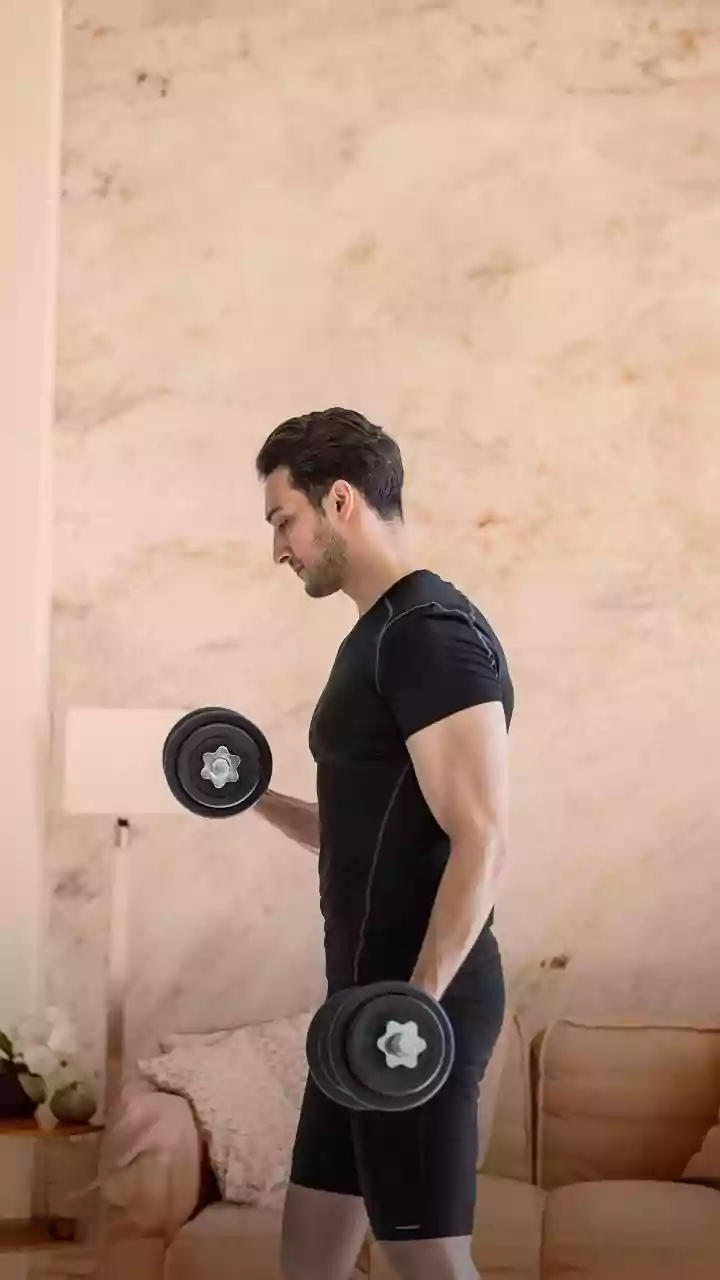
- Arm Movements: Add punches, overhead presses, or bicep curls (with or without light weights) to turn your walk into a full-body workout.
Sample At_Home Walking Routines
Having a plan can help you stay committed. You can find thousands of free guided walking workouts on platforms like YouTube that you can follow along with. Alternatively, you can create your own. Here are two simple routines to get you started:
15_Minute Beginner's Walk:
- 3 minutes: Gentle marching in place to warm up.
- 8 minutes: Alternate 1 minute of brisk marching with 1 minute of a variation (like high knees or side steps).
- 2 minutes: March at a moderate pace.
- 2 minutes: Slow march and gentle stretching to cool down.
30_Minute Interval Walk:
- 5 minutes: Warm up with gentle marching and side steps.
- 20 minutes: Cycle through 2 minutes of brisk, fast_paced walking, followed by 1 minute of a strength move like butt kicks or high knees. Repeat this cycle 4 times.
- 5 minutes: Cool down with a slow walk and full_body stretches.
Keep It Fun and Stay Motivated
The biggest challenge with any home workout can be boredom. To combat this, put on your favourite music playlist with a strong beat, listen to an engaging podcast, or walk while watching a TV show. Many find that the time flies by when their mind is occupied. Tracking your progress with a fitness watch or a step_counter app on your phone can also be a great motivator. Seeing your step count rise throughout your workout provides a sense of accomplishment. Remember that even short bursts of activity count. Stepping in place during TV commercials or while waiting for water to boil adds up over the day.