






The Post-Monsoon Advantage
September marks a delightful transition in India. The heavy rains give way to a milder, humid climate, creating the perfect environment for a new wave of produce to flourish. Eating seasonally means choosing foods that are naturally ripe and available
at a specific time of year. This practice has long been a cornerstone of traditional Indian diets and Ayurvedic principles, which emphasize eating according to the climate. The logic is simple yet powerful: foods harvested in their natural season are fresher, more flavourful, and packed with the nutrients our bodies need to adapt to the changing weather. Opting for seasonal produce also means you are likely eating food that has travelled less, required fewer pesticides, and is ultimately easier on your wallet as abundance brings down prices.
Why Fresher is Always Better
When fruits and vegetables are picked at their peak, they offer superior taste and nutritional value. Produce that is transported over long distances or stored for extended periods often undergoes processes that diminish its flavour and nutrient content. For instance, many anti-oxidants like Vitamin C and folate degrade over time. By contrast, seasonal foods are consumed closer to when they are harvested, ensuring they are vibrant, nutrient-dense, and deliver the best possible health benefits. Celebrity nutritionist Rujuta Diwekar has long advocated for this, noting that seasonal eating keeps us in sync with our environment and boosts our metabolism and immunity. It's a simple way to enhance your diet without complicated meal plans.
September's Vegetable Bounty
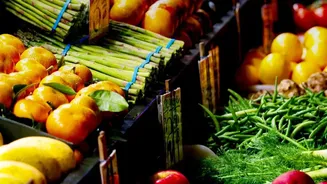
As we move past the peak monsoon, a host of wonderful vegetables arrive at local markets. Look for a variety of gourds, which are hydrating and easy on the digestive system. Bottle gourd (lauki), ridge gourd (turai), and pointed gourd (parwal) are excellent choices. Pumpkin also comes into season, perfect for hearty curries and soups. After a season of heavy rains, you can also expect to find fresh batches of spinach (palak), cucumber, beans, and brinjal (eggplant). In many regions, you might also find fresh corn, a monsoon favourite that continues its run into September. These vegetables are not only versatile in the kitchen but also provide essential fibre, vitamins, and minerals to aid post-monsoon recovery.
Sweet and Juicy Seasonal Fruits
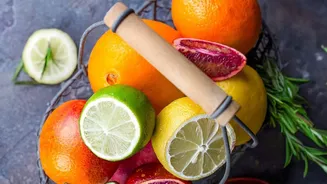
September offers a fantastic selection of fruits that are perfect for snacking and desserts. Pomegranate, with its jewel-like seeds, is a highlight of the season, packed with antioxidants. Guava, another powerhouse of nutrition, is rich in Vitamin C and fibre, helping to aid digestion and reduce bloating. You will also find pears, apples, and sweet limes making a strong appearance in markets. Another fruit to look out for is the custard apple (sitaphal), which comes into its prime during this post-monsoon period. These fruits are naturally aligned with what the body needs, helping to boost immunity as the weather shifts.
Making the Most of the Season
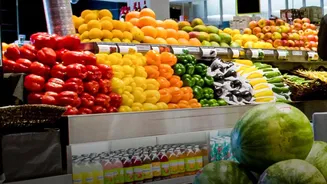
Planning your meals around seasonal availability is a rewarding practice. When you visit your local sabzi mandi, look for produce that appears fresh, vibrant, and firm. Don't be afraid to ask vendors what has just arrived—they are often the best source of information on what's at its peak. Incorporate a variety of these vegetables into your daily cooking, from simple stir-fries to traditional curries. Seasonal fruits can be enjoyed as is, blended into smoothies, or added to breakfast bowls. By embracing the rhythm of the seasons, you not only support local farmers and the environment but also treat yourself and your family to the very best that nature has to offer.