





The Evolution of 'Indianization'
The story of Quick Service Restaurants in India has always been one of adaptation. From the moment the first international chains arrived, they understood that a purely Western menu wouldn't suffice. The first wave of 'Indianization' was straightforward:
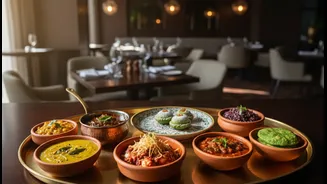
swap out beef for chicken or lamb and introduce paneer as the default vegetarian option. This gave us icons like the McAloo Tikki burger, a product created specifically for the Indian palate that became a runaway success. Over time, this localization has grown more sophisticated. Brands have incorporated regional spices and flavours, creating fusion dishes like tandoori paneer pizza and wraps inspired by local street food. Today, this evolution is reaching a new stage. It's no longer just about adding familiar spices to a Western format; it's about embracing whole Indian dishes. Coffee chains now prominently feature Masala Chai and Filter Coffee, and have even experimented with snacks like the Rayalaseema Mutton Bun in the south. This deeper integration signals a market that is confident in its own culinary identity.
Why Idli is the Perfect QSR Candidate
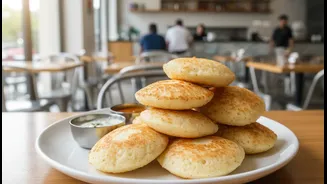
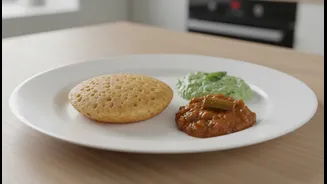
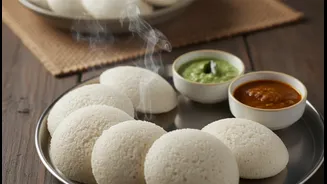
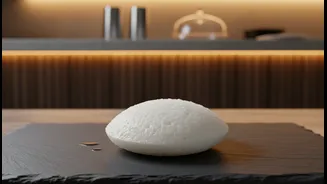
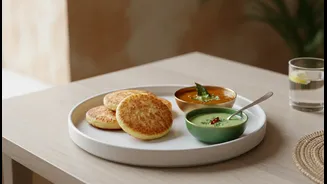
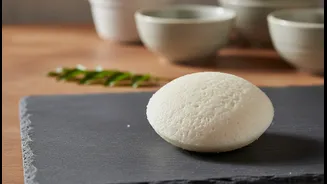
If the goal is to find a universally loved, quick-to-serve Indian dish, the idli stands out as a prime candidate. This steamed rice and lentil cake is a breakfast staple in millions of homes, particularly in the south, but its appeal is nationwide. Its credentials for a QSR menu are impeccable. Firstly, it is widely perceived as healthy, light, and easily digestible—a powerful differentiator in a market increasingly conscious of nutrition. Secondly, its preparation is based on a batter, which allows for standardization, a core principle of the QSR model. Unlike a complex curry, a pre-made batter can ensure consistency across hundreds of outlets. Finally, it’s versatile. Idli can be served traditionally with sambar and chutney, or it can be adapted into innovative formats. Imagine mini idlis tossed in podi spice, or an 'idli burger' with a flavourful filling. Its simplicity is its greatest strength.
The Rise of Specialized Idli Chains
While global giants deliberate, a new breed of Indian QSRs has already proven the model works. Chains like Naadbramha Idli and Idli Point have built successful franchise businesses centered entirely on this South Indian staple. These brands have demonstrated that there is a massive appetite for high-quality, hygienically prepared traditional food served with the speed and convenience of a modern QSR. They operate from small kiosks in tech parks to larger dine-in outlets, showing the format's flexibility. Their success sends a clear message to the broader market: consumers are eager for authentic Indian food in a fast, reliable format. These home-grown chains are not just selling a product; they are tapping into a deep cultural comfort, proving that 'fast food' doesn't have to mean foreign food.
The Operational Hurdles for Global Giants
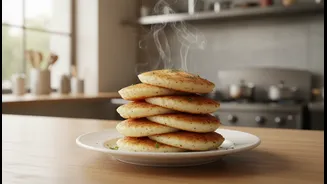
If the opportunity is so clear, why haven't the big international players already put idli on their breakfast menus? The answer lies in the operational complexity. Serving a perfect idli is an art. It must be pillowy soft and served steaming hot. This presents a logistical challenge for a QSR system built around deep fryers and assembly lines. The batter requires fermentation, a sensitive biological process that must be managed carefully for consistency in taste and texture across a vast supply chain. Furthermore, the accompaniments are just as important. Preparing authentic, flavourful sambar and fresh chutneys at scale is a significant undertaking, far more complex than dispensing ketchup from a packet. These challenges of ensuring freshness and quality at speed are likely what give major chains pause. McDonald's once attempted a 'Masala Dosa Burger', an innovative but ultimately complex product that highlights the difficulties of translating nuanced Indian dishes into a simplified fast-food format.