




Why the Monsoon Is a Gardener’s Best Friend
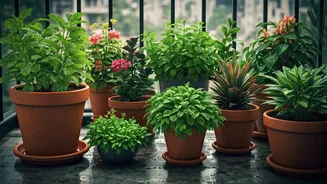
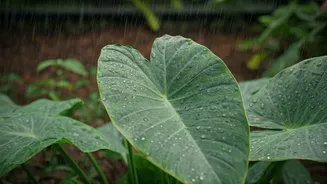
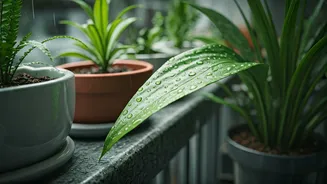
Many new gardeners see the rainy season as a break, but it's actually one of the most productive times for a terrace garden in India. The combination of high humidity, cooler temperatures, and abundant natural watering creates an ideal environment for many
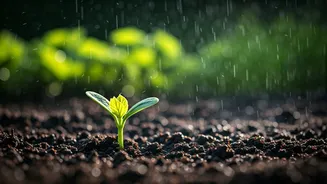
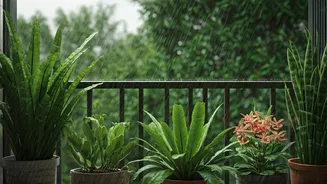
plants to flourish. [17] Tropical crops, in particular, grow faster during the monsoon than in any other season. [17] The consistent moisture helps seeds germinate quickly and supports rapid leafy growth. [3] Furthermore, a green rooftop can help lower your home's indoor temperature and acts as a natural air purifier, which is a significant advantage in urban environments. [18, 25] The key to a successful monsoon garden isn't avoiding the rain, but learning how to manage its excesses.
Choosing the Right Plants for the Season
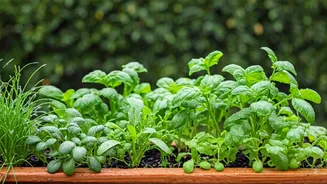
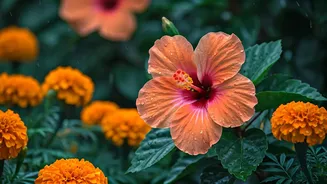
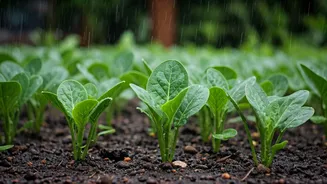
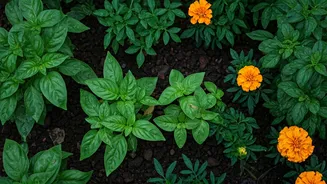
Selecting plants that love moisture is crucial for a thriving monsoon garden. Leafy greens like spinach (palak) and amaranth (chaulai) are excellent choices as they grow quickly in damp soil. [3, 15] This is also the perfect time to plant a variety of gourds like bottle gourd (lauki) and bitter gourd (karela), as well as okra (bhindi) and cucumbers. [3] For those who love flowers, hibiscus, jasmine, marigolds, and rain lilies are fantastic options that bloom beautifully during this period. [13, 19] If you have a shadier terrace, ferns will thrive in the high humidity and indirect light. [15] It's also the traditional planting season for ginger and turmeric, which can be grown in deep bags for a harvest months later. [17]
Mastering Drainage to Prevent Waterlogging
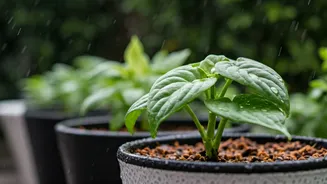
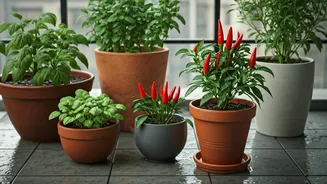
The biggest challenge during the monsoon is preventing your pots from becoming waterlogged, which can lead to root rot. [4, 12] The first rule is to ensure every container has adequate drainage holes. [14] Elevating your pots on bricks or plant stands is a simple but highly effective trick to prevent them from sitting in puddles and improve airflow. [12, 23] For your potting mix, creating a lightweight, well-draining medium is essential. Incorporate organic matter like compost, which improves soil structure, along with materials like perlite or coarse sand to enhance drainage. [12, 14] If you are using raised beds, they naturally offer better drainage by keeping plant roots above soggy ground. [12]
Smart Watering and Fertilising
One of the most common mistakes is overwatering plants that are already receiving plenty of rain. [10] Always check the soil before watering; if the top inch feels moist, hold off. [23] On days with heavy downpours, you likely won't need to water at all. [4] Heavy rains can also wash away essential nutrients from the soil, especially in pots. [23] To counteract this, it's important to fertilise, but do so carefully. Use organic compost or a balanced liquid fertiliser every three to four weeks, but avoid applying it during a heavy shower. [10, 23] Pruning dead or yellowing leaves before you fertilise helps direct the nourishment to healthy new growth. [4]
Pest and Disease Patrol
The damp, humid weather is a breeding ground for pests like slugs and snails, as well as fungal diseases like powdery mildew. [5, 8] Prevention is the best strategy. Ensure good air circulation by not overcrowding your plants. [17] Regularly inspect the undersides of leaves for pests. [10] A preventive spray of diluted neem oil every 10-14 days can work wonders against common pests like aphids and whiteflies. [5, 17] For fungal issues, a homemade spray of baking soda and mild soap can be effective. [5] It's also vital to promptly remove any weeds, as they grow rapidly in the monsoon and compete with your plants for nutrients. [4]