







Your Most Important Word: 'Chay'
The single most important word to learn is 'chay'. Pronounced like 'chai', it means vegetarian and is your key to unlocking meat-free meals across the country. Due to Vietnam's large Buddhist population, 'chay' food is a well-understood concept. Many
people follow a vegetarian diet on the 1st and 15th days of the lunar month, so you'll find 'chay' options are even more widespread on those days. Look for signs on street stalls and restaurants that say 'Quán Chay' or 'Cơm Chay', which signify a fully vegetarian eatery. When you see a dish on a menu followed by the word 'chay', like 'Phở Chay', it means it's the vegetarian version.
Essential Phrases for Ordering
While 'chay' is a great start, a few more phrases will help you navigate menus with confidence. Having these written down on your phone can be a lifesaver. Start with the basics: 'Tôi ăn chay' (I am a vegetarian). If you want to be more specific, you can say 'không thịt' (no meat). One of the trickiest ingredients is fish sauce ('nước mắm'), which is used widely, even in some dishes that otherwise seem vegetarian. To be safe, always specify 'không nước mắm' (no fish sauce) when ordering. Some other useful phrases include 'không trứng' (no egg) and 'không sữa' (no milk). Don't worry about perfect pronunciation; showing the written phrases to vendors is often very effective.
Must-Try Vegetarian Street Food
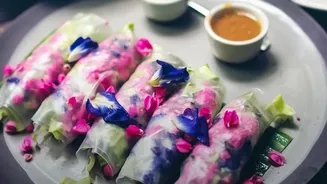
Once you're armed with the right words, you can start exploring the incredible food. Bánh Mì Chay is a perfect backpacker lunch—a crispy baguette filled with ingredients like tofu, mushrooms, vegetarian pâté, pickled vegetables, and fresh herbs. Be sure to ask them to hold the meat pâté and confirm the sauces are veggie-friendly. Phở Chay is the meat-free version of Vietnam's iconic noodle soup, featuring a fragrant vegetable broth with tofu, mushrooms, and herbs. For a lighter option, Gỏi Cuốn Chay are fresh spring rolls packed with vermicelli noodles, tofu, and fresh greens, often served with a peanut dipping sauce. And you can't miss Bánh Xèo Chay, a crispy, savory pancake made from rice flour and coconut milk, filled with bean sprouts and mushrooms.
Watch for Hidden Ingredients
The biggest challenge for strict vegetarians in Vietnam is navigating broths and sauces. As mentioned, fish sauce ('nước mắm') is a staple and can find its way into dipping sauces and stir-fries. Similarly, shrimp paste ('mắm tôm') is another common ingredient to look out for. Even when you order a 'chay' dish from a non-vegetarian stall, there's a small chance the broth might be meat-based, as true vegetable broth isn't always standard. The most reliable way to ensure your meal is 100% vegetarian is to eat at dedicated 'quán chay' establishments, where the entire kitchen is meat-free. These spots are common in major cities like Ho Chi Minh City and Hanoi and can be easily found using map apps by searching for 'chay'.
Beyond the Street: Buffets and Apps
Street food is fantastic, but don't forget about other vegetarian havens. Vietnam is famous for its 'cơm chay' buffets. These are often all-you-can-eat affairs where you can load up a plate with dozens of different vegetable dishes, tofu preparations, mock meats, soups, and rice for a very low price. They offer a great opportunity to sample a wide variety of local flavors in one sitting. For backpackers, technology is also a huge help. Apps like HappyCow are invaluable for locating vegetarian and vegan-friendly restaurants nearby, complete with reviews from other travelers. Searching for 'chay' on Google Maps will also reveal dozens of local vegetarian eateries in most towns and cities, taking the guesswork out of your next meal.