





The Search for a Smarter Solution
For many urban professionals and dual-income families in India, the evening meal has become a source of stress. Traditional Indian cooking, while cherished, can be a lengthy process involving chopping, grinding, and slow-cooking. After a long workday,
the prospect of spending an hour or more in the kitchen feels daunting. On the other hand, a constant reliance on food delivery apps comes with its own set of problems: mounting costs, concerns about hygiene, and a lack of control over ingredients like oil and sodium. This daily tug-of-war has created a demand for a third option—a meal that is quick, cost-effective, and wholesome. This is where the 30-minute meal has emerged, not as a shortcut, but as a smart and sustainable solution for the modern Indian kitchen.
More Than Just Saving Time
The appeal of the 30-minute meal goes far beyond convenience. It represents a desire for control. Cooking at home, even a simplified version, allows individuals to manage portion sizes, choose fresh ingredients, and cater to specific dietary needs. There's a growing consciousness around health and wellness, with many people seeking meals that are lighter and more nutritious than typical restaurant fare. The post-pandemic era, in particular, saw a renewed interest in home cooking, as people spent more time at home and became more aware of what they were eating. The 30-minute meal allows people to retain that connection to their food, offering the satisfaction of a home-cooked meal without the associated labour. It’s a quiet rebellion against both the pressure to cook perfectly and the habit of ordering out.
The Rise of the Convenience Arsenal
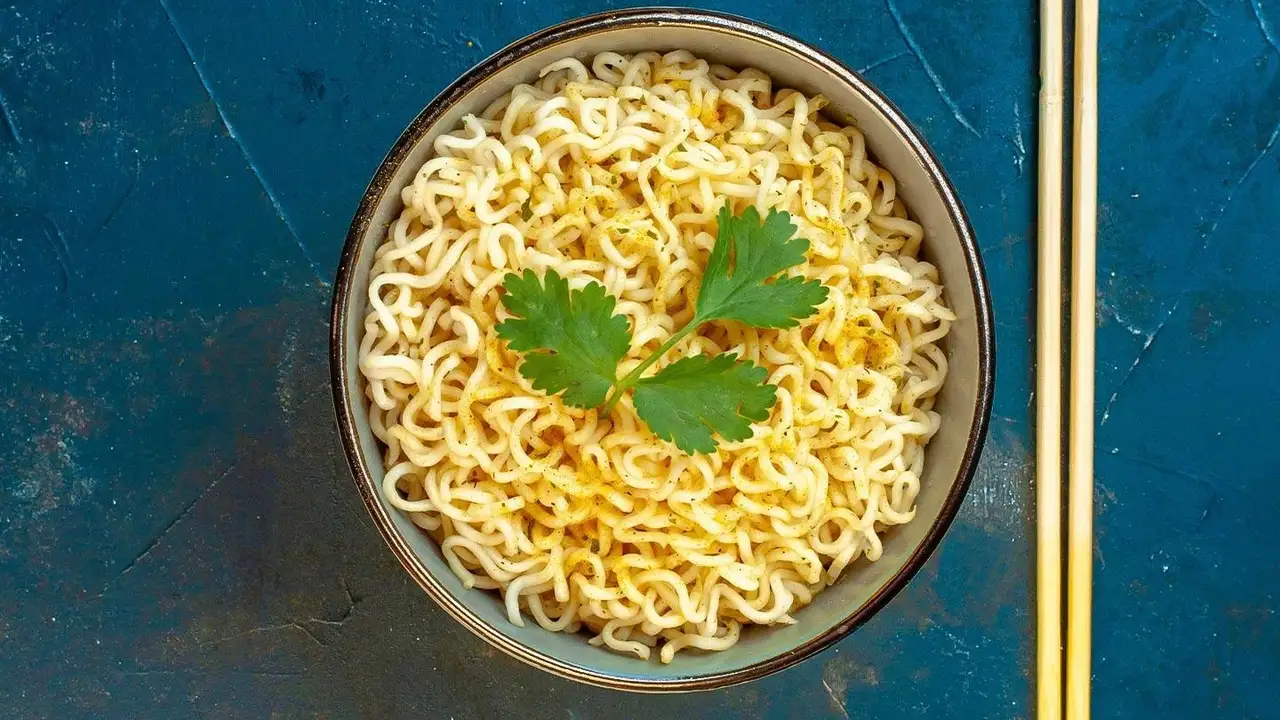
This shift has been powered by a revolution in the food industry. The Indian convenience food market is experiencing explosive growth, with the ready-to-cook (RTC) segment leading the charge. Unlike ready-to-eat (RTE) meals, which often just need heating, RTC products offer a satisfying middle ground. They do the heavy lifting—like making a complex gravy or dosa batter—while still allowing the consumer to feel involved in the cooking process. Supermarket aisles are now filled with an arsenal of time-savers: pre-chopped vegetables, ginger-garlic paste, spice blends, and marinated meats. The market for instant noodles, pasta, and meal kits is projected to grow significantly, reflecting a deep-seated demand for quick meal solutions.
Redefining the 'Home-Cooked' Meal
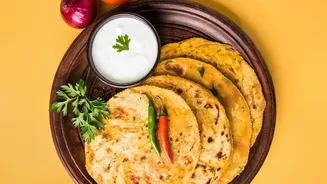
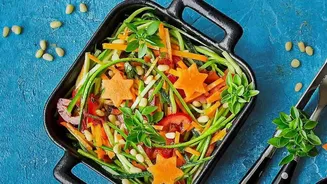
Culturally, the definition of a 'home-cooked meal' is expanding. It no longer has to mean a dish made entirely from scratch. A quick paneer stir-fry, a one-pot khichdi, or a simple dal tadka using pre-made paste are all being embraced as legitimate, wholesome dinners. Recipe websites and food bloggers are filled with thousands of '30-minute' Indian recipes, from chicken masala to chana dal biryani, adapting traditional flavours for a modern pace. This evolution doesn't erase the value of traditional slow-cooking methods but acknowledges that for a regular weekday, 'good enough' is often perfect. It’s about being practical without sacrificing the comfort and nourishment associated with food made at home.