





Why Balcony Gardening is Different
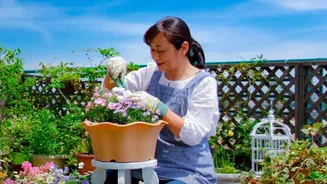
Before you water or fertilize, it is important to understand that a balcony is a unique micro-environment. Unlike a garden on the ground, your potted plants are more exposed to the elements. They face more wind, which dries out leaves and soil faster.
The concrete and walls of a building can absorb heat, creating a warmer microclimate that increases water needs. Furthermore, the limited soil in a pot means plants rely entirely on you for moisture and nutrients, as their roots cannot search deeper for sustenance. This is why a one-size-fits-all approach rarely works; successful balcony gardening starts with observation.
Mastering the Art of Watering
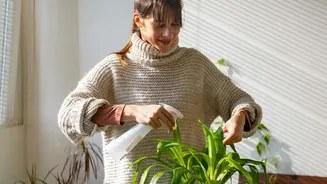
The most common mistake in balcony gardening is improper watering. Forget a rigid schedule like 'water every two days'. Instead, learn to read your plants and the soil. The best method is the finger test: stick your finger about an inch or two into the soil. If it feels dry at that depth, it's time to water. If it’s moist, wait another day. When you do water, do it thoroughly. Pour water slowly at the base of the plant until it flows out of the drainage holes at the bottom. This ensures the entire root ball is saturated. Shallow, frequent watering encourages weak, shallow roots. The best time to water is in the early morning, allowing the plant to hydrate before the day's heat and letting leaves dry to prevent fungal diseases.
Overwatering vs. Underwatering
Telling the difference between an overwatered and underwatered plant can be tricky, as both can cause leaves to droop. However, there are key differences. Underwatered plants often have dry, crispy leaf edges and the soil will feel hard and pull away from the sides of the pot. Overwatered plants, on the other hand, may have yellowing leaves, soft or mushy stems near the base, and the soil will feel soggy. A simple way to tell is to lift the pot; a light pot is dry, while a heavy one is likely saturated. In almost all cases, it's easier to save an underwatered plant than an overwatered one, so when in doubt, it is better to err on the side of caution.
A Simple Guide to Fertilizing
Watering flushes nutrients out of the soil in pots, making regular feeding essential. Fertilizers provide key nutrients: Nitrogen (N) for leafy growth, Phosphorus (P) for roots and flowers, and Potassium (K) for overall plant health. For balcony gardens, you have two main choices: liquid or slow-release fertilizers. Liquid fertilizers are fast-acting and absorbed quickly, making them great for giving plants an immediate boost. They are typically applied every 2-4 weeks during the growing season. Slow-release fertilizers are granular and release nutrients gradually over several months each time you water, making them a convenient, low-maintenance option. Many gardeners use a slow-release fertilizer as a base and supplement with a liquid feed as needed.
Creating a Feeding Schedule
Do not fertilize your plants immediately after bringing them home from the nursery, as most potting mixes already contain some nutrients. A good rule is to start fertilizing 2 to 6 weeks after potting. Always follow the instructions on the fertilizer package, as over-fertilizing can burn plant roots and do more harm than good. It is also wise to avoid fertilizing a plant that is stressed, sick, or bone-dry. If a plant is very dry, water it first and then apply a diluted fertilizer solution later. During the hot summer months and peak growing season, plants like flowering annuals and vegetables will need more frequent feeding. In cooler months, as growth slows, you can reduce or stop fertilizing altogether.
Tips for the Indian Climate
Balcony gardening in India requires adapting to the distinct seasons. During the intense heat of summer, plants will need more frequent watering, sometimes even daily for smaller pots in direct sun. Consider grouping plants together to create a more humid microclimate. During the monsoon season, reduce watering significantly and ensure your pots have excellent drainage to prevent root rot from waterlogging. This might mean moving sensitive plants under cover during heavy downpours. Choosing plants suited to your local climate—like marigold and hibiscus for sunny spots, or tulsi and mint for more sheltered areas—will also greatly increase your chances of success.