



Why Thinning Is a Gardener’s Best Friend
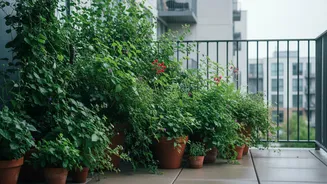
Thinning, or selectively pruning your plants, might feel harsh, but it's one of the kindest things you can do for your container garden. When plants are overcrowded, they compete intensely for sunlight, water, and nutrients. This stressful competition
can lead to weak, spindly growth and fewer flowers or fruits. By removing excess foliage and stems, you improve air circulation around your plants, which significantly reduces the risk of fungal diseases that thrive in damp, stagnant conditions. It also allows sunlight to reach lower leaves, promoting fuller, healthier growth from top to bottom. Ultimately, thinning directs the plant's energy towards producing better quality blooms and a more robust harvest, rather than just sustaining a tangled mass of leaves.
Reading the Signs: When to Prune
The best time for a significant midseason trim is typically in the heart of summer, just as peak growth gives way to a slightly unruly appearance. Look for clear signs that your balcony is ready for a haircut. Are some plants starting to look “leggy,” with long, sparse stems and few leaves? Are trailing varieties like petunias or sweet potato vines bullying their neighbours and taking over the container? Other cues include yellowing leaves at the base of a plant, which indicates a lack of light and air, or a general feeling of density where you can no longer see space between individual plants. If your beautiful arrangement now looks more like a chaotic mess, it’s time to intervene. Acting now revitalises the plants for a strong finish through the rest of the growing season.
The Right Tools for the Job
You don't need an extensive toolkit for balcony pruning. For most jobs, a quality pair of bypass pruners is essential. These work like scissors, with two curved blades passing each other to make a clean, healthy cut on live stems up to a half-inch thick. For more delicate work, like deadheading flowers or harvesting herbs, a smaller pair of snips or sharp scissors provides precision. Whatever tool you use, make sure it is clean and sharp. Wiping the blades with a bit of rubbing alcohol before and between plants helps prevent the spread of any potential diseases, ensuring your act of maintenance doesn't accidentally cause harm. A clean cut heals faster and is less likely to become an entry point for pests and fungi.
A Guide to Thinning Common Balcony Plants
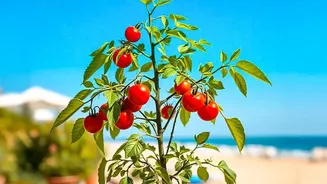
Different plants require slightly different approaches. For flowering annuals like petunias, calibrachoa, and verbena, don't be afraid to cut back leggy stems by about a third. This encourages the plant to become bushier and produce more flowers. The practice of “deadheading,” or pinching off spent blooms, also redirects energy into making new flowers instead of seeds. With herbs like basil and mint, regular harvesting is the best form of thinning; simply snip stems just above a set of leaves to encourage fuller growth. For vining vegetables like container tomatoes, find the “suckers”—small shoots that appear in the joint between the main stem and a branch—and pinch them off. This channels the plant's energy into ripening fruit rather than growing more foliage.
Common Mistakes to Avoid
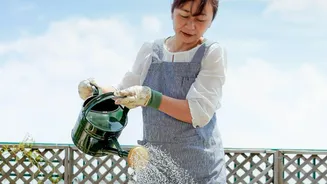
While thinning is beneficial, a few common errors can set your plants back. The most frequent mistake is over-pruning. A good rule of thumb is to never remove more than one-third of the plant at a time. This can shock the plant and inhibit its ability to recover. Another mistake is using dull or dirty tools, which can crush stems and introduce disease. Also, try to time your pruning for a cooler part of the day, like the morning or evening. Pruning during the intense heat of a sunny afternoon can add extra stress to the plant as it tries to heal. Finally, don't forget to water your plants well after a trim and consider giving them a light feeding a week or so later to support the new flush of growth you've encouraged.