








A New Generation of Pilgrims
The snow-capped peaks leading to the holy Amarnath cave have always drawn pilgrims, but recently, the face of the devotee is changing. Officials at the Shri Amarnathji Shrine Board (SASB) have noted a significant and growing trend: a massive influx of pilgrims under
the age of 40. For the past couple of years, registration data has shown that a substantial portion, sometimes estimated at over 40%, of yatris are from younger demographics. This isn't a slow-moving generational shift; it’s a sudden and visible surge that is reshaping one of India's most arduous and revered pilgrimages. What was traditionally a once-in-a-lifetime journey for the middle-aged and elderly is now becoming a rite of passage for India’s youth.
More Than Just Faith: The Adventure Angle
So, what is driving this youthful wave to the high altitudes of Kashmir? The answer is a compelling blend of spirituality and adventure. For many young Indians, the Amarnath Yatra is not solely a religious quest but also a formidable physical challenge. It’s a trek that tests endurance, resilience, and mental fortitude. In an era where experiential travel is highly valued, the yatra fits perfectly into the 'bucket list' culture. It offers a story of conquest—battling high altitudes, unpredictable weather, and rugged terrain. This dual appeal makes it attractive to those who may be spiritually curious but are equally motivated by the thrill of an extreme adventure. The journey itself has become as significant as the destination.
The Digital Yatri and Social Media's Pull
Technology is playing a pivotal role in this demographic shift. Firstly, the entire registration process has moved online, making it vastly more accessible for a tech-savvy generation that is used to booking everything from movie tickets to flights on their phones. The days of complex offline registrations are over. Secondly, social media has transformed the yatra from a private, personal journey into a shared, public experience. Platforms like Instagram and YouTube are filled with breathtaking vlogs, reels, and photo diaries from young yatris. These posts don’t just showcase the spiritual aspects; they highlight the stunning landscapes, the camaraderie among trekkers, and the sense of accomplishment, effectively serving as powerful, authentic advertisements that inspire their peers to sign up.
Improved Infrastructure and Safety
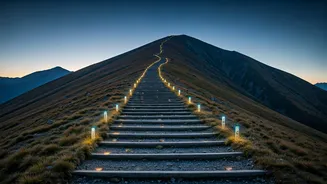
The yatra of today is not the same as it was a decade ago. Significant investments in infrastructure have made the trek safer and more manageable, reducing a key barrier for many. Wider tracks, protective railings, better lighting on crucial stretches, and enhanced medical facilities all contribute to a greater sense of security. The availability of helicopter services for parts of the journey also provides a safety net and an option for those who may not be able to complete the entire trek on foot. These improvements, heavily publicised by the government and the shrine board, send a clear message that the yatra is safer than ever, encouraging not just the young and fit but also their concerned families.
New Challenges on the Holy Trail
While the surge of young pilgrims is a welcome sign of renewed interest, it also presents new challenges for the authorities. A younger crowd can sometimes be more prone to risk-taking, potentially underestimating the severe dangers of high-altitude sickness and acclimatisation. Ensuring that every yatri, regardless of age, adheres to health advisories and safety protocols is a massive logistical undertaking. Furthermore, the sheer volume of people puts a strain on the fragile Himalayan environment and the resources available along the route. Managing a larger, more energetic crowd requires a dynamic approach to security, sanitation, and crowd control, ensuring the yatra remains a safe and spiritual experience for everyone involved.