







An All-Too-Familiar Scene
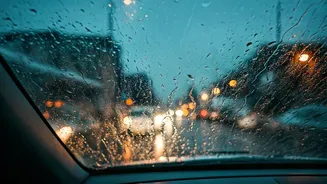
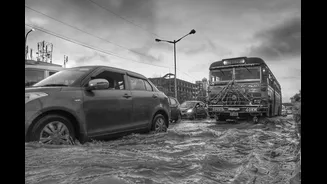
Monday morning brought a familiar sense of dread for commuters in Mumbai as overnight rains left several low-lying areas submerged, leading to massive traffic disruption. [7] The Andheri subway, a critical east-west artery, was shut for hours after being
completely inundated, forcing police to barricade the entrance to prevent accidents. [7] Similar scenes of chaos have unfolded in other major cities like Hyderabad and Bengaluru in recent weeks. In Hyderabad's IT corridor, traffic police were seen wading through ankle-deep water to manage gridlock as over half a million vehicles clogged the roads. [17] In Nashik, recent heavy showers not only caused waterlogging but also power outages, compounding the misery for residents. [21] This recurring problem turns daily commutes into hours-long ordeals, disrupting economic activity and leaving citizens stranded.
Why Our Cities Drown
The reasons for this annual urban flood are a complex mix of climate change and crumbling infrastructure. [6] Many of India’s major cities rely on stormwater drainage systems that are decades, if not a century, old. [14] These colonial-era networks were not designed to handle the population density or the sheer volume of water from today's increasingly intense, short bursts of rainfall. [14, 18] Compounding the issue is relentless, often unplanned, urbanisation. [6] Permeable surfaces like soil and green spaces have been replaced by concrete and asphalt, which prevent rainwater from being absorbed into the ground, leading to massive surface runoff. [14] Furthermore, these vital drainage systems are frequently choked with plastic waste, silt, and construction debris, drastically reducing their capacity and turning moderate showers into severe floods. [4, 14]
The Ripple Effect of Waterlogging
The impact of waterlogged streets extends far beyond traffic jams. It creates significant economic losses as goods movement is stalled and people are unable to get to work. [20] Vehicles forced to wade through deep water often suffer expensive damage to their engines and electrical systems. There are also significant public health risks, as stagnant floodwater becomes a breeding ground for mosquitoes and waterborne diseases. [20] Emergency services are stretched thin, and the disruption to public transport, including local trains and buses, affects the city's most vulnerable commuters. [12] The India Meteorological Department (IMD) regularly issues warnings about these impacts, advising residents to avoid unnecessary travel and stay alert to localised flooding and reduced visibility during heavy spells. [26]
Staying Safe on Flooded Roads
While long-term solutions require massive civic upgrades, commuters must take immediate precautions to stay safe. The most crucial advice is to avoid driving through flooded areas if possible. [19] Water can conceal potholes, debris, and even washed-out sections of road. [11] As a general rule, avoid driving through water that is more than 10-15 centimetres (4-6 inches) deep, or about halfway up your tyres. [10] If you must proceed, drive slowly and steadily in a low gear, maintaining higher engine revs to prevent water from entering the exhaust pipe. [5, 8] It’s best to stay towards the centre of the road, where the water is often shallowest. [8] After passing through water, gently tap your brakes a few times to dry them out and ensure they are working effectively. [5, 19]