



The Problem with Percentages
When you see a percentage on a food package, it's often not as straightforward as it seems. A food that's "20% protein" might be calculating that by weight. This can be misleading because of water content. For example, a food that is high in water will
naturally have a lower percentage of protein by weight, even if it's a great protein source. A slice of chicken breast is mostly water, so its protein percentage by weight doesn't tell the whole story. This makes it difficult to compare a dry food like lentils to a moist one like paneer. The numbers simply aren't speaking the same language, leaving you to guess which is the better choice for your protein goals.
The Best Metric: Grams of Protein Per Calorie
Instead of getting tangled in confusing percentages, there's a more reliable and direct way to compare foods: looking at the grams of protein per 100 calories. This method, often called 'protein density', cuts through the noise of water content and serving sizes. It tells you how much protein you get for your caloric 'budget'. Whether you're comparing a thick Greek yogurt, a portion of cooked dal, or a block of tofu, this approach levels the playing field. It answers the most important question: for a similar amount of energy, which food delivers more protein?
How to Calculate It Yourself
This might sound complicated, but the calculation is surprisingly simple and can be done in a few seconds while looking at a nutrition label. 1. Find the total calories per serving. 2. Find the total grams of protein per serving. 3. Use this simple formula: (Grams of Protein ÷ Total Calories) x 100. The result is the grams of protein you get for every 100 calories consumed. For example, a food with 120 calories and 24 grams of protein has a protein density of 20. (24g ÷ 120 kcal) x 100 = 20g of protein per 100 calories. This simple number makes it easy to compare any two items.
Putting It to the Test: A Real-World Comparison
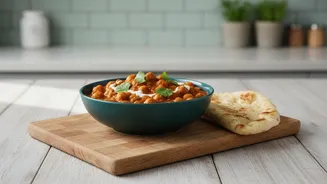
Let's see how this works with some common foods in an Indian kitchen. We'll use approximate nutritional values. Paneer: A 100g serving might have around 290 calories and 18 grams of protein. That's about 6.2g of protein per 100 calories. (18 ÷ 290) x 100. Cooked Lentils (Dal): A 100g serving has about 116 calories and 9 grams of protein. That's roughly 7.8g of protein per 100 calories. (9 ÷ 116) x 100. Greek Yogurt (Non-fat): A 100g serving can have 59 calories and 10 grams of protein. That gives it a score of nearly 17g of protein per 100 calories. (10 ÷ 59) x 100. Chicken Breast (Cooked): A 100g serving has about 165 calories and 31 grams of protein. That's a powerful 18.8g of protein per 100 calories. (31 ÷ 165) x 100. As you can see, while paneer is a good source of protein, lentils are slightly more protein-dense for their calorie count. But both are outpaced by non-fat Greek yogurt and lean chicken breast, which deliver significantly more protein for the same caloric cost.
Why This Changes Your Shopping Habits
Once you start thinking in terms of protein per calorie, you'll see food labels differently. A snack bar that boasts "10g of protein" might not look so impressive when you see it comes with 400 calories. In contrast, a simple cup of high-protein yogurt might offer more protein for less than half the calories. This method empowers you to look past the flashy marketing claims on the front of the box and use the nutrition panel to make genuinely informed choices that align with your health and fitness goals. It helps you identify foods that are truly efficient sources of protein, rather than just foods that happen to contain some protein alongside a lot of fat or carbohydrates.