

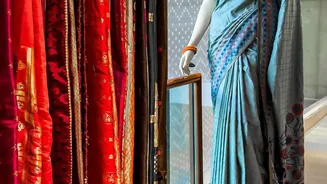
A New Generation’s Demand
A major force behind this shift is the changing taste of younger consumers. Millennials and Gen Z in India and across the diaspora are seeking ways to connect with their cultural roots that fit their modern, often global, lifestyles. They appreciate the story
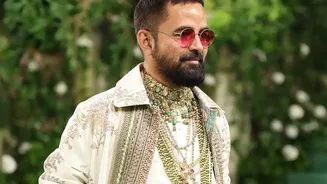
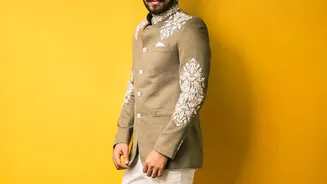
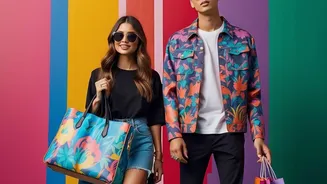
and authenticity behind a handwoven fabric but want it in a form they can wear to the office, a cafe, or a casual gathering—not just a wedding. This generation is moving away from the heavy, occasion-specific garments of the past, instead favouring versatility and personal expression. They want to integrate heritage into their everyday wardrobe, pairing an Ikat jacket with jeans or a Bandhani-print dress with sneakers.
Designers as Cultural Bridges
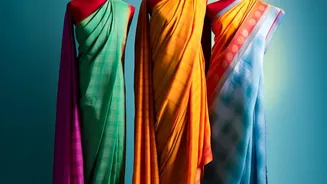
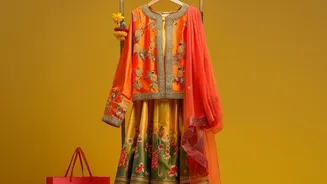
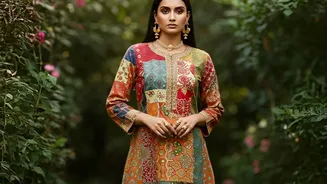
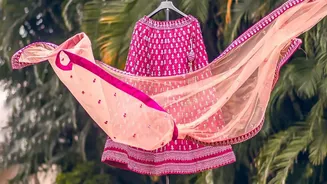
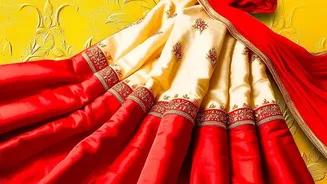
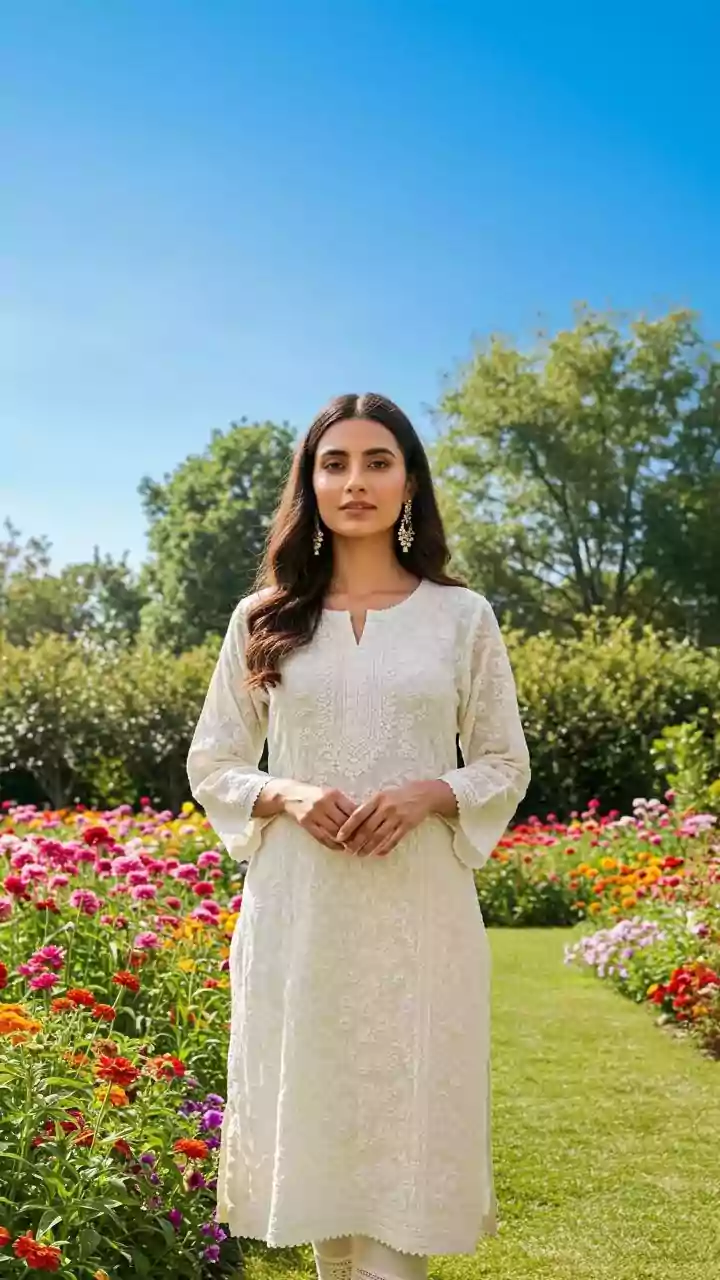
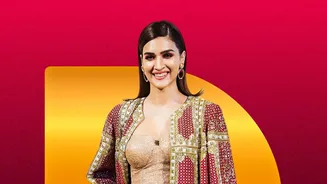
Contemporary Indian designers are at the forefront of this movement, acting as crucial translators between artisans and the modern market. They are experimenting with form, function, and silhouette, proving that traditional techniques can feel fresh and current. Labels like Raw Mango have championed handloom on international platforms, while others are transforming fabrics like Banarasi silk and Chanderi into lightweight shirts, trousers, and minimalist apparel. By reimagining time-honoured crafts—such as block printing, Chikankari embroidery, or regional weaves from Nagaland and Mizoram—into contemporary cuts, designers make them relevant and desirable for a style-conscious audience that values both heritage and modernity.
The Rise of Conscious Consumption
The global trend towards sustainability and ethical fashion has found a natural partner in Indian handcrafts. Handloom production, which uses minimal energy and often involves natural dyes, aligns perfectly with the values of a growing number of consumers who are rejecting fast fashion. Shoppers are increasingly interested in the story behind their clothes—who made them, where the materials came from, and the tradition they represent. This shift toward conscious consumption has created a new appreciation for the authenticity and individuality of handcrafted items, which stand in stark contrast to mass-produced goods. Each handwoven piece carries slight variations, making it unique.
Economic Sustainability for Artisans
Beyond aesthetics, this evolution is a matter of economic survival for millions of artisans. For centuries, craftspeople relied on traditional markets, but demand dwindled with the rise of mass manufacturing. By adapting crafts to modern clothing shapes, designers open up new and larger markets for these artisans, ensuring their skills remain viable and valued. Collaborations between fashion labels and craft clusters provide artisans with fair wages and a platform to showcase their work to a global audience, preserving their livelihood and the craft itself for future generations.
Beyond the Festive Wardrobe
For too long, many of India’s most beautiful textiles were confined to festive or bridal wear. The current trend liberates these fabrics, integrating them into everyday life. A handloom jacket can elevate a simple outfit, and a dress made from a traditional weave can be worn for both formal and informal events. This versatility is key to the movement's success. It demonstrates that Indian textiles are not static relics but living, breathing art forms that can adapt and thrive in the modern world. This shift ensures that the rich legacy of Indian craftsmanship is not just preserved in museums, but worn on the streets.