





Your Pre-Trip Vehicle Health Check
Before you even think about your playlist, a thorough vehicle inspection is non-negotiable. Your car’s tyres are its only connection to the slippery road. Ensure they have adequate tread depth—at least 2-3mm—to prevent hydroplaning, a dangerous situation
where your car loses traction on a layer of water. Check that your tyres are properly inflated. Next, inspect your brakes. Rainy conditions demand peak brake performance, so check brake pads and fluid levels. Finally, test all your lights: headlights, tail lights, and indicators. Heavy rain drastically reduces visibility, and you need to see and be seen. Don't forget your windscreen wipers; replace worn-out blades that leave streaks and top up your washer fluid.
Mastering Wet and Waterlogged Roads
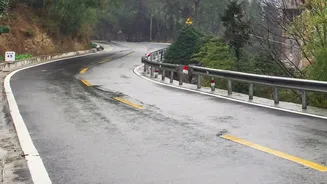
Driving in the rain requires a fundamental shift in technique. The most important rule is to reduce your speed. Wet roads significantly increase your vehicle's stopping distance. Maintain a safe distance from the vehicle in front of you—double what you normally would. Avoid sudden acceleration or braking, as this can cause you to skid. One of the biggest dangers on Indian roads during the monsoon is waterlogging. It’s often impossible to judge the depth of standing water or spot hidden hazards like open manholes and deep potholes. If you must drive through a waterlogged area, stay calm and stick to the first gear, keeping the engine revs high but the speed low to prevent water from entering the exhaust pipe. If your car stalls in water, do not try to restart it, as this can cause severe engine damage.
The Art of Seeing and Being Seen
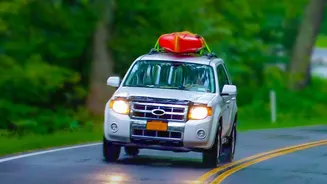
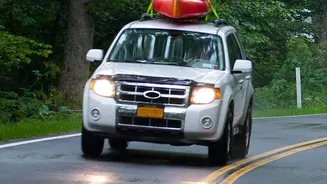
Visibility is one of the first casualties of a heavy downpour. Always drive with your low-beam headlights on, even during the day, to make your vehicle more visible to other drivers. Avoid using high beams, as the light reflects off the raindrops and can worsen visibility for you and oncoming traffic. Keep your windscreen, windows, and mirrors clean. If your windows start fogging up from the inside, use your car's defogger or air conditioning to clear them quickly. Be extra vigilant for pedestrians and two-wheelers, who are harder to spot in the rain. Anticipate that other drivers may have compromised visibility as well and drive defensively.
Navigating Potholes and Landslides
Monsoon rains wreak havoc on road surfaces, creating new potholes and hiding existing ones under water. Hitting a deep pothole at speed can damage your tyres, wheels, and suspension, and could even cause you to lose control of your vehicle. Drive slower than usual on rain-affected roads to give yourself more time to spot and avoid these hazards. In hilly and mountainous regions, landslides are a serious risk during the monsoon. Before you travel, check weather forecasts and local advisories for any warnings about road closures or landslide-prone areas. It is often best to avoid these routes entirely during periods of heavy, continuous rain. If you encounter a landslide, do not attempt to cross it; turn back and find a safer route.
Packing Your Monsoon Emergency Kit
Smart packing goes beyond clothes and snacks. An emergency kit is crucial for any monsoon road trip. Your kit should include a first-aid box with basic medical supplies, a powerful waterproof torch, and a fully charged power bank for your phone. It is also wise to pack a tow rope, basic tools, and a tyre inflator. Non-perishable snacks and plenty of drinking water are essential in case you get stranded. Keeping a couple of towels and a dry change of clothes in a waterproof bag can make a huge difference if you get wet. These simple items can provide crucial support and comfort during an unexpected breakdown or delay.