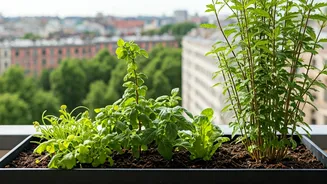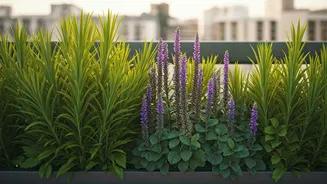

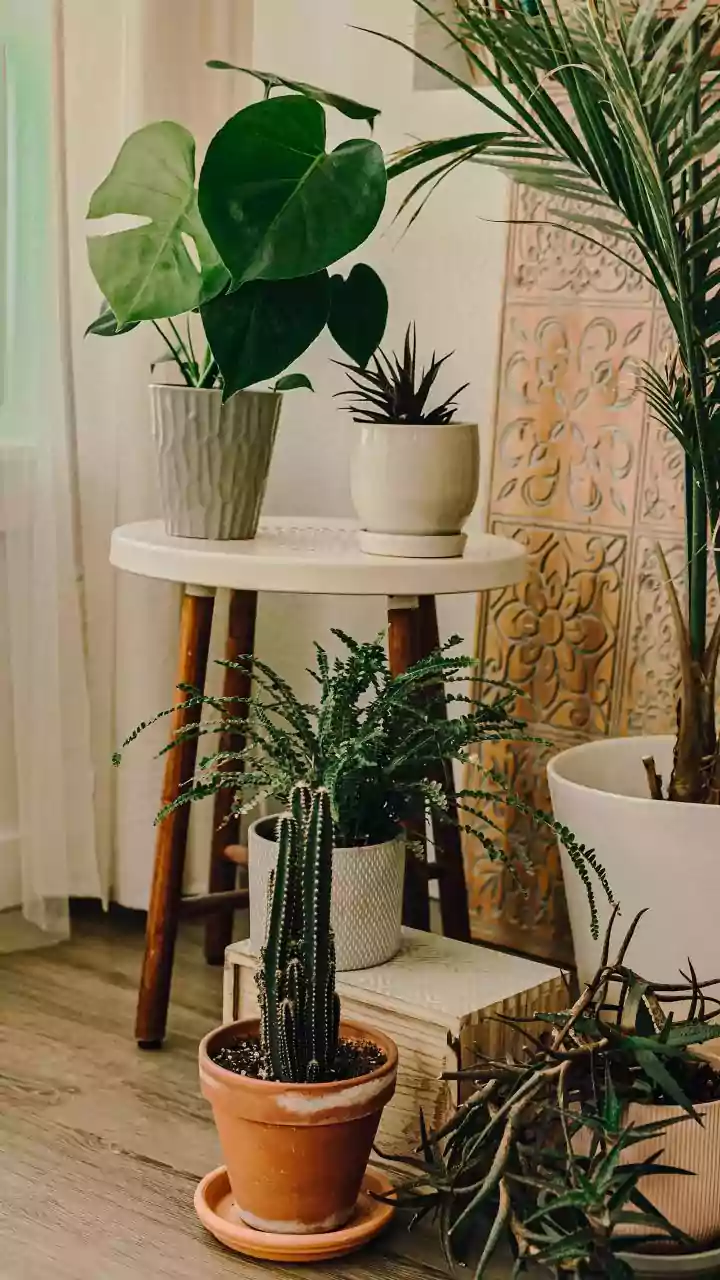


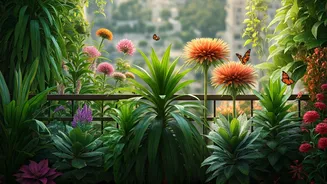



Perfectly Suited to the Local Climate
Native plants are species that have grown and evolved in a specific region for thousands of years. [8] This long history means they are perfectly adapted to the local climate, soil conditions, and rainfall patterns. [7] For a terrace gardener in India,
this is a significant advantage. Whether dealing with the humidity of Mumbai, the dry heat of Delhi, or the heavy monsoons, native plants like Frangipani, Curry Leaf, or Neem are already equipped to handle these conditions. [5, 18] This natural adaptation means they require less human intervention. Unlike exotic species that might need specific soil, constant watering, or protection from the elements, native plants feel right at home, making them far more likely to thrive with minimal fuss. [2, 4]
A Lifeline for Urban Wildlife
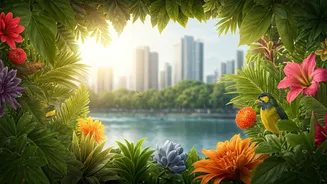
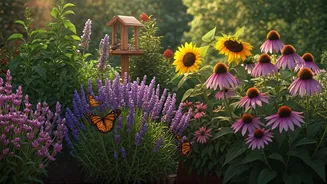
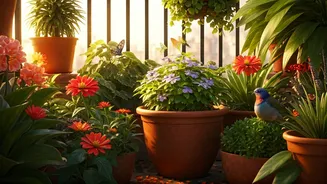
An urban terrace filled with native plants is more than just a pretty view; it's a bustling micro-habitat. [20] Native plants and local wildlife, especially pollinators like bees, butterflies, and birds, share an evolutionary history. [11] These plants provide the specific nectar, pollen, and seeds that local creatures depend on for food. [7, 8] For instance, planting native flowers like marigolds or butterfly peas (Aparajita) can quickly attract a host of local pollinators. [21] By creating these small havens, urban terraces can act as crucial 'stepping stones' in a larger ecological corridor, helping wildlife move and thrive within the fragmented city landscape. [20, 21] This turns your balcony into a vital contributor to urban biodiversity. [3]
Natural Resilience and Less Maintenance
One of the most practical benefits of choosing native species is their inherent resilience. Having co-evolved with local pests and diseases, they have developed natural defences, which means you can largely avoid using chemical pesticides. [7, 15] This is not only better for the environment but also safer for your home. Their hardiness also translates to lower maintenance. [4] Because they are adapted to local water availability, many native plants are drought-tolerant and require less irrigation once established. [7, 18] This saves water, time, and effort, making gardening more of a pleasure and less of a chore. Plants like Tulsi (Holy Basil) and Indian Borage, for example, are known for being low-maintenance and thrive on Indian balconies. [5, 10]
The Trouble with Non-Native Plants
In contrast, cultivating non-native or exotic plants can be an uphill battle. These plants are not adapted to the local environment and often require significant resources—more water, specific fertilisers, and constant pest control—just to survive. [22, 23] In some cases, non-native plants can become 'invasive'. This happens when a species without natural predators in a new environment grows aggressively, outcompeting native plants for resources and disrupting the local ecosystem. [22, 24] They might either struggle to live or, ironically, flourish so much that they harm the natural balance, offering little support to local wildlife that hasn't evolved to use them. [24]
Creating a Thriving Local Ecosystem
Choosing native plants for your terrace is a powerful act of ecological restoration, even on a small scale. It's about working with nature, not against it. A terrace garden with a variety of native flowers, shrubs, and even small trees can support an entire food web. [14, 15] By providing food and shelter, you help sustain local insect populations, which in turn feed the birds. [14] This creates a more balanced, self-regulating garden. Even leaving dead stems from native plants like Joe-Pye Weed can provide nesting sites for bees. [14] Your terrace stops being just a collection of plants and becomes a functional, living ecosystem that contributes positively to the urban environment. [12]