






The Philosophy of Purity
The foundation of fasting cuisine lies in the concept of eating 'Sattvic' foods. Ayurveda categorises food into three types or 'gunas': Sattvic, Rajasic, and Tamasic. Sattvic foods are considered pure, natural, and light, promoting clarity and calmness.
Think fresh fruits, milk, nuts, and certain vegetables. Rajasic foods (like onions, garlic, and overly spicy or salty items) are stimulating and can agitate the mind. Tamasic foods (like stale, processed, or heavy meats) are believed to cause dullness and lethargy. During a fast, the goal is to quiet the senses and focus inward, making the clean, non-stimulating nature of a Sattvic diet ideal for purifying both body and mind.
The Grain and Flour Swap
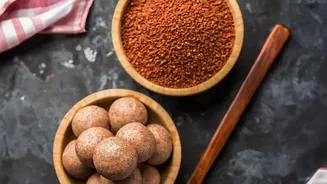
A key rule in many fasts is the avoidance of common grains like wheat and rice. These are often considered heavy to digest, and fasting periods, especially those that coincide with seasonal changes, are seen as a time to give the digestive system a rest. Instead, the focus shifts to lighter, gluten-free pseudo-grains and flours. Buckwheat flour (kuttu ka atta), amaranth flour (rajgira ka atta), and water chestnut flour (singhare ka atta) are popular choices. These are technically not true grains; for example, buckwheat is a fruit seed. They provide sustained energy, fibre, and essential nutrients without being heavy on the system, making them perfect for maintaining stamina during a fast.
The Crucial Salt Exchange
One of the most distinct rules of 'vrat' cooking is the switch from regular table salt to rock salt, or 'sendha namak'. Regular iodized salt is processed and considered more 'heating' or Rajasic. Sendha namak, on the other hand, is the purest, unprocessed form of salt available. It is considered Sattvic and is praised in Ayurveda for being cooling and easier to digest. Beyond purity, it has a practical benefit: rock salt is rich in minerals like potassium and magnesium, which help maintain the body's electrolyte balance and prevent dehydration and fatigue during a fast.
Energising Fruits, Nuts, and Dairy
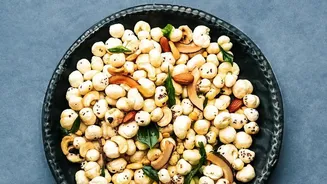
To compensate for the restricted food options, fasting diets heavily feature fruits, nuts, and dairy products. These foods are nutritional powerhouses that provide instant and sustained energy. Fruits offer natural sugars and hydration, while nuts provide healthy fats and protein to keep hunger at bay. Dairy products like milk, yogurt, and paneer are excellent sources of protein and calcium, ensuring the body remains nourished. This combination ensures that while the diet is light, it doesn't lack the essential components needed to function well throughout the day. It's less about deprivation and more about smart, clean fuel.
Permitted Produce and Spices
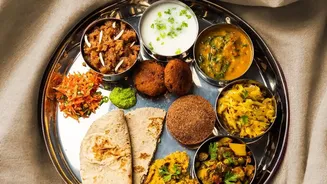
The list of approved vegetables and spices is also carefully curated. Vegetables that are easy to digest, such as potatoes, sweet potatoes, pumpkin, and bottle gourd, are widely used. However, stimulating vegetables like onions and garlic are strictly avoided as they are considered Tamasic and Rajasic, believed to arouse carnal energies and distract focus. Similarly, the spice palette is kept simple and mild. Cumin, black pepper, ginger, and green cardamom are often used to add flavour without over-stimulating the system, aligning with the overall goal of gentle, mindful eating.