






The Monsoon's Role as an Economic Engine
The southwest monsoon is more than just a season in India; it's the lifeblood of the nation's agricultural economy. Roughly half of India's farmland is rain-fed, meaning it depends directly on the monsoon to irrigate crops. The performance of these four
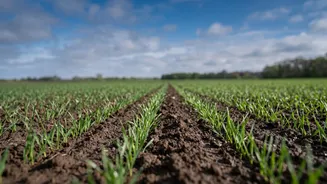
months, from June to September, dictates the fate of the crucial kharif (summer) sowing season. This season gives us a huge portion of our essential staples, including rice, pulses, and oilseeds. A healthy monsoon generally translates to a bountiful harvest, stable food supplies, and controlled inflation. Conversely, a weak or erratic monsoon can trigger a domino effect of rural distress, lower crop yields, and rising prices that are felt in kitchens across the country.
Why September Is the Make-or-Break Month
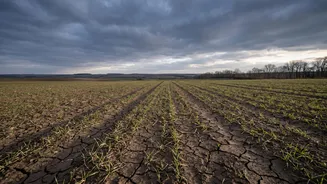
While the entire monsoon period is important, September holds a unique and critical significance. The rainfall during this final month can either salvage a season of deficit or spoil a season of surplus. For late-sown kharif crops, September showers are vital for the final stages of growth. More importantly, this month's rain determines the soil moisture levels for the upcoming rabi (winter) crop season, which includes staples like wheat and mustard. A dry September can leave the ground parched, making it difficult and expensive for farmers to sow winter crops, thus threatening a second consecutive harvest. This year, the monsoon is set to begin its withdrawal around September 19, close to its normal date. However, with the season already running a significant deficit, the final spell of rain is being watched with apprehension.
The 2026 Monsoon: A Story of Deficit
The 2026 monsoon has been marked by inconsistency, heavily influenced by a strengthening El Niño, which typically suppresses rainfall over India. After a very dry June, a wet July brought some relief, but August again saw a significant deficit. As of mid-September, the cumulative rainfall for the season is around 15% below the long-term average, putting India on course for its driest monsoon in over a decade. The India Meteorological Department (IMD) had already forecast 'below normal' rainfall for September. This deficit isn't uniform, with southern states and key agricultural belts in Maharashtra, Karnataka, and Bihar facing particularly dry conditions.
Crops Under Stress and Prices on the Rise
The uneven rainfall has put several key crops under pressure. While overall kharif sowing is only marginally down from last year, the acreage for crucial crops like rice, oilseeds, and cotton is lagging. The real concern, however, is not just the area sown but the final yield. Prolonged dry spells during critical growth stages can stunt crops and significantly reduce the harvest, even if the initial sowing was adequate. This concern is already being reflected in the market. Food inflation rose to 5.95% in August, with prices of staples like pulses and certain vegetables already on an upward trend. Economists note that a shortfall in monsoon rain directly correlates with a rise in food inflation, a trend that is already becoming visible.
What This Means for Your Kitchen Budget
The link is direct: a deficient monsoon, especially a poor September, leads to lower agricultural output. When supply tightens, prices rise. The impact of this year's weak monsoon is expected to become more apparent as the kharif harvest begins in October. A smaller harvest of rice, pulses like arhar, and oilseeds could mean paying more for daily essentials through the winter and into next year. The government has already taken some pre-emptive measures, like allowing duty-free sugar imports and releasing subsidised onions, to manage rising costs. However, the performance of the tail-end of the monsoon will be the ultimate factor determining the trajectory of food prices over the next several months.