



Bottle Gourd (Lauki)
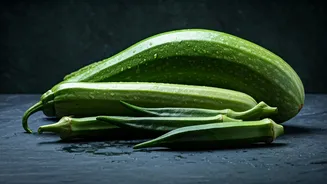
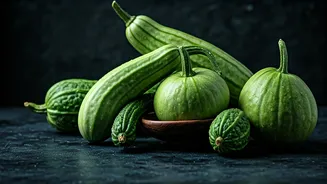
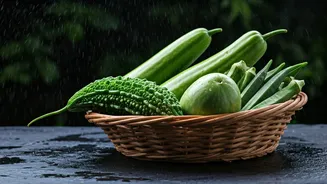
Often misunderstood, the humble lauki is a monsoon superstar. Composed of over 90% water, it's incredibly hydrating and light on the stomach, making it perfect for the humid season when digestion can be sluggish. Its subtle flavour allows it to absorb
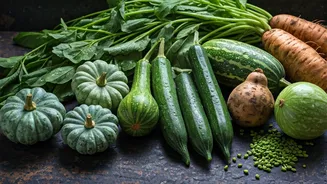
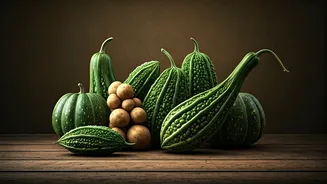
spices beautifully. When buying, look for a pale green, smooth-skinned gourd that feels firm and heavy for its size. Avoid any with soft spots or blemishes. From classic lauki sabzi and comforting koftas to a simple, spiced dal, this vegetable is as versatile as it is healthy. It's rich in fibre, which aids digestion, and contains essential vitamins and minerals.
Bitter Gourd (Karela)
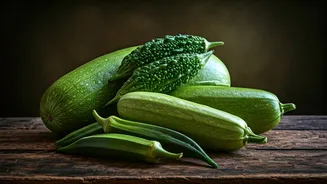
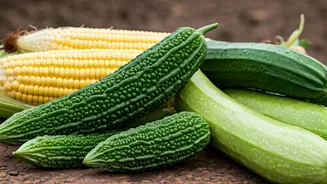
Yes, it’s bitter, but that bitterness is a sign of its powerful properties. Karela is celebrated in traditional Indian wellness for its ability to help manage blood sugar levels and purify the blood. During the monsoon, when the risk of infections is higher, its immunity-boosting qualities are especially valuable. To reduce its bitterness, you can scrape the skin, remove the seeds, and salt it for about 30 minutes before rinsing and cooking. Choose smaller, darker green karelas with prominent ridges. They are fantastic when stuffed with a masala filling (bharwa karela) or thinly sliced and fried until crisp.
Ridge Gourd (Tori)
Another member of the gourd family, tori (or turai) is distinguished by its sharp ridges. This low-calorie vegetable is packed with fibre and has a cooling effect on the body. Its sponge-like texture makes it excellent at soaking up the flavours of any curry it's added to. When shopping, select young, tender ridge gourds that are bright green. The ridges should be sharp, not wilted. Simply peel the hard ridges off before chopping. Tori cooks quickly and is delicious in a simple stir-fry with moong dal or as part of a flavourful gravy dish. It's a fantastic choice for a light yet satisfying meal.
Pointed Gourd (Parwal)
A powerhouse of nutrition, parwal is one of the most cherished vegetables of the rainy season. It's easy to digest and rich in vitamins A and C, which are crucial for maintaining a strong immune system. This small, green-striped vegetable is incredibly versatile. It can be fried, stuffed, or added to rich curries and stews. Look for firm, small, and brightly coloured parwals without any yellowing. Scrape the thin skin lightly before use. A simple potato and parwal sabzi is a staple in many households, but it also shines when cooked in a yogurt-based gravy or deep-fried and seasoned.
Sweet Corn (Bhutta)
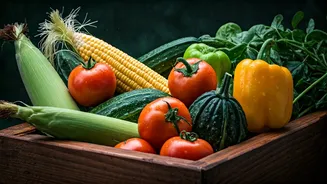
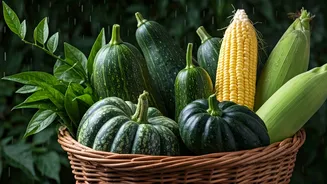
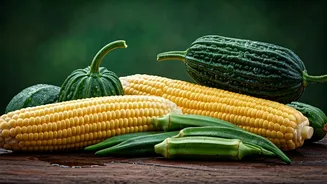
Nothing says monsoon in India quite like the sight of a streetside vendor roasting bhutta over hot coals. This seasonal delight is more than just a nostalgic snack; it's a good source of fibre, folate, and vitamin C. Whether you enjoy it roasted with a squeeze of lime and a sprinkle of salt and chili powder, or boiled and mixed into salads and soups, corn brings a sweet crunch to the rainy season. When buying fresh cobs, look for bright green husks that feel slightly damp and pull one back to check for plump, milky kernels. Avoid any with dry or shrivelled kernels.
Okra (Bhindi)
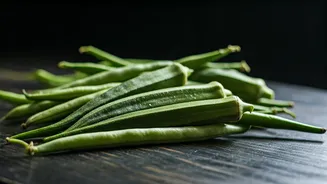
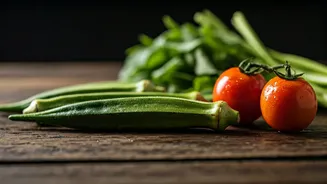
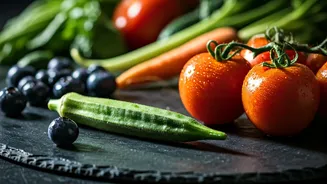
While available for a large part of the year, bhindi (or lady's finger) is particularly good during the monsoon. It's a fantastic source of dietary fibre, which helps in regulating digestion. The key to cooking perfect, non-slimy bhindi is to ensure it is completely dry before you start chopping. A simple 'bhindi fry' with onions and spices is a quick and delicious way to enjoy it, crispy and full of flavour. When selecting, pick smaller, slender pods that are bright green and snap easily when bent. This indicates they are young and tender.