




The Agony of Summer Muscle Cramps
Muscle cramps are sudden, involuntary contractions of a muscle or group of muscles. While they can happen for various reasons, they are particularly common in the heat. When you're active outdoors or simply sweating more in high temperatures, your body
loses both fluids and essential minerals. This combination of dehydration and electrolyte imbalance is a primary trigger for those sharp, debilitating cramps in your legs, feet, or abdomen. Proper muscle function relies on adequate hydration and a precise balance of minerals, and when that balance is disrupted, your muscles can protest loudly.
Understanding Your Body's Electrolytes
Think of electrolytes as the body's essential minerals that carry an electric charge. These minerals—which include sodium, potassium, calcium, magnesium, and chloride—are dissolved in your body's fluids and are vital for numerous critical functions. They help regulate fluid balance, transmit nerve signals, and, most importantly for this topic, enable muscle contractions. When you sweat, you're not just losing water; you're losing these crucial electrolytes. Sodium and chloride are the two main electrolytes lost in sweat, followed by smaller amounts of potassium, magnesium, and calcium. Failing to replace them can lead to impaired performance, fatigue, and those dreaded cramps.
Why Coconut Water Is a Good Start
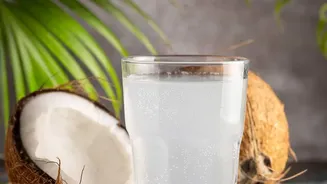
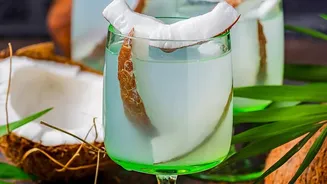
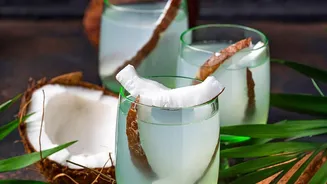
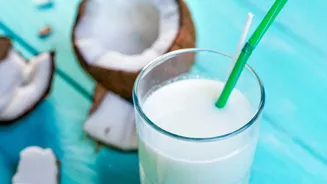
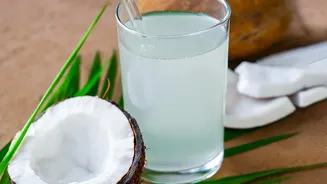
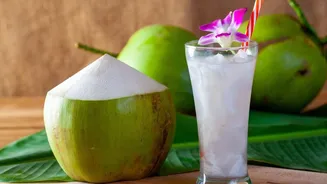
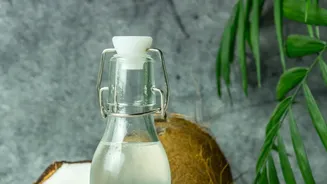
Coconut water is often called "nature's sports drink" for good reason. It is a natural source of several key electrolytes, making it an excellent base for rehydration. Its standout feature is its high potassium content; a single cup can provide a significant portion of your daily needs. Potassium is essential for proper muscle and nerve function. Coconut water also contains smaller amounts of magnesium, calcium, and sodium. Studies have suggested that rehydrating with electrolyte-rich beverages like coconut water may make you less susceptible to muscle cramps after exercise compared to plain water.
The Crucial Role of Added Salt
While coconut water is rich in potassium, it is naturally low in sodium—the primary electrolyte you lose through sweat. This is where a simple pinch of salt makes all the difference. Adding salt (sodium chloride) to your coconut water helps to more comprehensively replace the minerals lost during heavy sweating. Sodium is critical for maintaining fluid balance in the body, helping your cells absorb water more effectively and supporting nerve and muscle function. By combining the potassium from coconut water with the sodium from salt, you create a more complete and balanced electrolyte drink that better mimics what your body has lost.
How to Make Your Own Electrolyte Drink
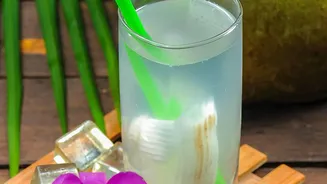
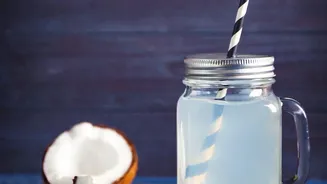
Creating this revitalizing drink is incredibly simple. For a single serving, take a glass of unsweetened coconut water (about 250-300 ml) and add a small pinch of high-quality, unprocessed salt. A general guideline is about 1/8th of a teaspoon of salt per cup of coconut water. You can use sea salt, Himalayan pink salt, or Celtic sea salt, which all contain trace minerals. Stir until the salt is fully dissolved. For added flavour and a vitamin C boost, you can also squeeze in the juice of half a lemon or lime. Some people also add a teaspoon of raw honey or maple syrup, as the natural sugars can help your body absorb the fluids and electrolytes more quickly, especially during intense activity.
When to Drink for Best Results
Timing can enhance the effectiveness of your homemade electrolyte drink. If you know you're going to be exercising or spending a lot of time in the heat, drinking a glass about 30-60 minutes beforehand can help proactively hydrate and stock your electrolyte stores. During prolonged activity (lasting more than an hour), sipping on the drink can help you stay ahead of dehydration and electrolyte loss. And of course, it's an excellent recovery drink to consume after you're done sweating. This helps replenish what you've lost, supporting muscle recovery and reducing the likelihood of post-activity cramps. Listen to your body; thirst is a good indicator that it's time to rehydrate.