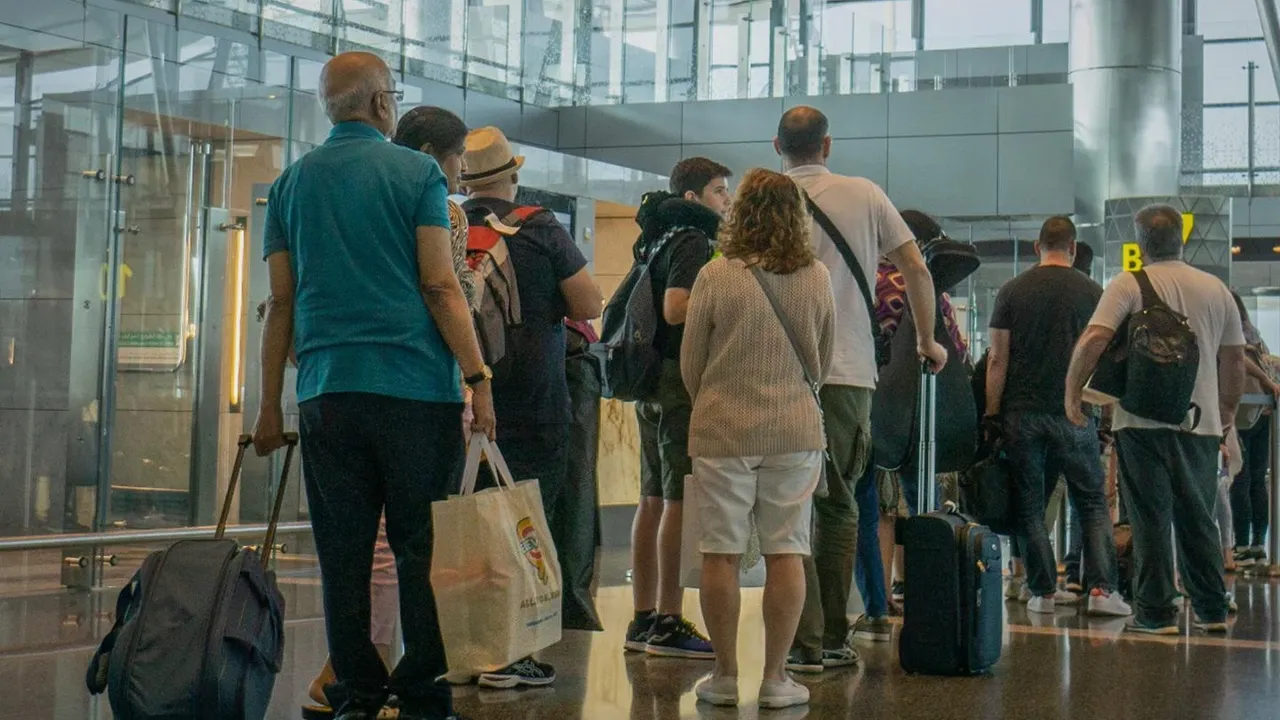








Fewer People, Shorter Queues
The most significant advantage of travelling midweek is avoiding the peak rush. Airports and train stations are notoriously crowded on the days immediately preceding and following a major holiday, which typically fall on weekends or the day just before
the holiday. For example, data shows the Wednesday before Thanksgiving and the Sunday after are often the busiest days for both air and road travel. By contrast, Tuesdays and Wednesdays are generally the slowest days for air travel year-round. Shifting your departure to a Tuesday or even the morning of the holiday itself can mean significantly shorter lines at check-in, security, and boarding gates. Road travellers also benefit, as highways see substantial increases in traffic on the Wednesday before a holiday and the following Sunday, while midweek days are comparatively clearer.
Significant Cost Savings
A quieter journey is not the only perk; your wallet will thank you, too. Airlines and hotels often use dynamic pricing, which means costs soar when demand is high. Weekend and peak pre-holiday travel days are the most expensive times to fly. By choosing to travel on a Tuesday or Wednesday, you can often find considerably lower fares. This price difference isn't just a few rupees; the savings can be substantial, freeing up more of your budget for the actual holiday festivities. Similarly, accommodation providers frequently offer lower rates during the week to attract more bookings on days with lower demand. Flying on the holiday itself, such as Christmas Day, is often one of the cheapest options available.
A More Relaxed Journey
The benefits of avoiding crowds extend beyond just saving time. A less congested environment leads to a more relaxed and less stressful travel experience overall. When airports and highways are less crowded, staff are often less overwhelmed, leading to more pleasant interactions. You are more likely to find a quiet spot to sit, grab a coffee without a long wait, or simply navigate the terminal without bumping into people at every turn. For those driving, less traffic means a smoother, quicker, and safer trip. Starting your holiday in a calm state of mind, rather than frazzled from a frantic travel day, sets a positive tone for the entire break.
Greater Flexibility and Availability
Booking travel during peak periods can feel like a competitive sport, with seats and rooms selling out months in advance. When you opt for a midweek schedule, you often find greater availability for flights, trains, and accommodations. This can be particularly helpful for last-minute planners. Furthermore, you might find more flexibility with other services. Restaurant reservations can be easier to secure, and you might even find special midweek offers on activities or local attractions. This flexibility allows for a more spontaneous and personalised travel experience, free from the constraints of peak-season rigidity.
Making the Midweek Plan Work
Of course, travelling midweek often requires planning, especially when it comes to taking time off from work. One of the main reasons weekends are popular is because they minimise the number of leave days required. However, many find that taking an extra day or two of leave is a worthwhile tradeoff for a significantly less stressful and cheaper journey. The key is to plan ahead. Discuss your plans with your employer early and coordinate with family to ensure your new travel dates work for everyone. Booking your flights and accommodation well in advance is always recommended, but setting price alerts for midweek dates can help you snag the best possible deals.