



The Case for Matte: Your Humidity-Proof Shield
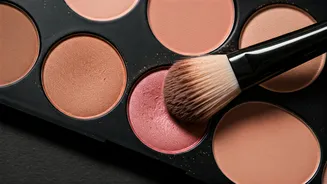
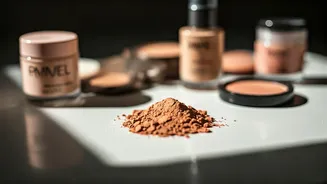
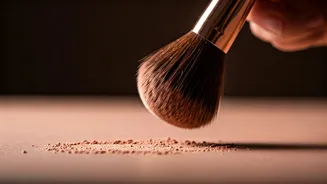
A matte finish is characterised by its shine-free, velvety texture that absorbs light rather than reflecting it. For many, this is the default choice during the monsoon, and for good reason. Matte makeup products are formulated to control excess oil and sebum,
which the skin tends to produce more of in humid conditions. This makes a matte look incredibly long-lasting and less likely to slide off or smudge during a downpour or a sweaty commute. It provides a smooth, polished finish that can help minimise the appearance of pores. However, a matte finish can sometimes look flat or cakey if over-applied, and may feel drying, especially for those with already dry skin. It is generally the best option for individuals with oily or combination skin.
The Allure of Dewy: A Fresh, Youthful Glow
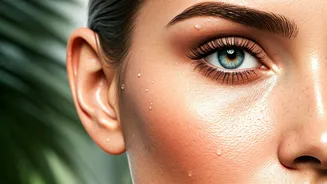
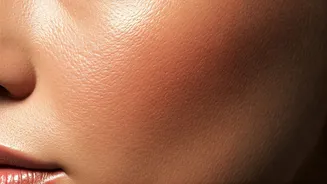
A dewy finish aims to replicate the natural luminosity of healthy, hydrated skin. It reflects light, giving your complexion a fresh, plump, and youthful appearance. This look is achieved using liquid or cream products, like hydrating foundations, cream blushes, and liquid highlighters, that impart a subtle sheen. For those with dry or normal skin, a dewy look can be a godsend, preventing makeup from clinging to dry patches and offering a hydrated feel. The obvious challenge during the monsoon is that a dewy finish can quickly venture into greasy territory due to the high moisture content in the air. Without the right techniques, a dewy look has less staying power and can require more frequent touch-ups.
The Winner? It Depends on Your Skin
There is no single winner in the matte vs. dewy debate; the right choice depends entirely on your skin type and personal preference. If you have oily or combination skin, a matte finish will likely offer the control and longevity you need to combat monsoon humidity. Its ability to keep shine at bay makes it a reliable choice for long days. If you have dry or mature skin, a dewy finish can provide a much-needed boost of radiance and prevent your makeup from looking heavy or settling into fine lines. Normal skin types have the flexibility to choose either, depending on the occasion and desired look.
How to Make Your Chosen Look Last
Regardless of your choice, a few universal rules apply for monsoon-proofing your makeup. Always start with a primer suited to your skin type—a mattifying one for oily skin or a hydrating one for dry skin. This creates a barrier and helps makeup adhere better. Opt for waterproof formulas, especially for mascara and eyeliner, to prevent the dreaded 'raccoon eyes'. When it comes to foundation, less is more; lightweight formulas like BB creams or skin tints are less likely to cake in the humidity. Finally, a setting spray is non-negotiable. A mattifying spray can lock in a matte look, while a hydrating mist can set a dewy look without dulling the glow.
The Hybrid Approach: Best of Both Worlds
For those who don't want to commit to one extreme, a hybrid approach offers a modern, practical solution. You can achieve a 'satin' or 'lumi-matte' finish that combines the best of both worlds. This involves strategically placing products. For example, you can use a matte foundation but add a liquid highlighter to the high points of your face, like your cheekbones and the bridge of your nose. Another popular technique is to apply powder only to the T-zone (forehead, nose, and chin) to control oil, while leaving the rest of the face with a dewier finish. This targeted approach keeps you from looking overly shiny while still maintaining a healthy, natural-looking glow.