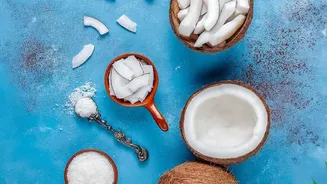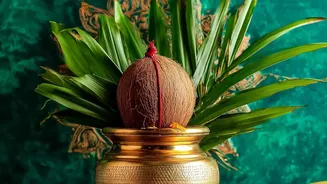









As October paints the Andaman Islands in lush, post-monsoon hues, a unique celebration takes centre stage. Here, the humble coconut isn't just a fruit; it's the guest of honour, the main ingredient, and the very soul of the festivities.
A Carnival Born from the 'Tree of Life'
In the Andaman
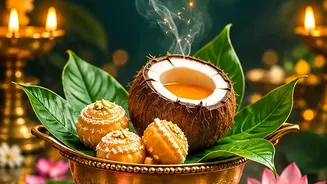
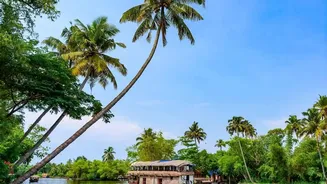
and Nicobar Islands, the coconut palm is affectionately called the 'tree of life', a fitting name for a plant that provides sustenance, shelter, and livelihood. It’s no surprise, then, that it's celebrated with its very own festival. The 'Island Coconut Carnival', organised by the Andaman & Nicobar Administration, is a vibrant two-day event that transforms the ITF Ground in Sri Vijaya Puram into a bustling hub of activity. This year's event, taking place on October 17th and 18th, is a testament to the coconut's enduring importance. The carnival isn't just a tourist attraction; it's a profound cultural statement. It’s a platform for local artisans, self-help groups, and entrepreneurs to showcase their talents, all revolving around this single, versatile resource. The air buzzes with folk performances, traditional music, and friendly competitions that include everything from coconut de-husking to cooking challenges, drawing in locals and visitors alike to honour the Islands' symbol of tradition and flavour.
The Taste of the Islands: A Culinary Showcase
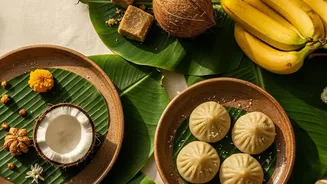
You cannot talk about Andamanese celebrations without talking about food, and at the heart of the island’s cuisine is the coconut. The food stalls at the carnival are a delicious journey through the region's culinary landscape, where coconut is the unifying flavour. The local cuisine is a fascinating blend of traditions brought by settler families from mainland India—primarily South Indian and Bengali—adapted to the bounty of the islands. One of the most authentic dishes you'll find is a rich, creamy prawn curry, where the sweetness of fresh coconut milk perfectly balances the local spices. Another staple is the classic fish curry, where the catch of the day is simmered in a coconut-based gravy and served with steamed rice. It’s not just about the main course; coconut finds its way into fragrant rice dishes, snacks, and even desserts like the popular coconut ladoo, a sweet treat made with condensed milk and grated coconut. For visitors, the carnival is the perfect opportunity to taste home-style cooking that defines island life.
From Shell to Souvenir: A Crafting Tradition
Beyond the kitchen, the coconut gives rise to a stunning array of handicrafts, a tradition that showcases the ingenuity and artistic skill of the islanders. What might be discarded elsewhere is transformed here into objects of beauty and utility. Artisans painstakingly clean, carve, and polish coconut shells to create everything from jewellery and buttons to decorative lamps, bowls, and boxes. The Nicobari Coconut Shell Craft is so unique that it has earned a Geographical Indication (GI) tag, a recognition of its deep cultural roots and specific origin. This craft is not just a hobby; it is a crucial part of the local economy, providing a livelihood for many, especially women-led artisan groups. The carnival's handicraft exhibitions are a testament to this sustainable tradition, where every piece tells a story of the island's connection to nature. Visitors can find intricate souvenirs that are both eco-friendly and culturally significant, a perfect memento of their time in the Andamans.
More Than a Festival
The Island Coconut Carnival is more than just a two-day event; it's the most visible expression of how deeply the coconut is woven into the economic and cultural fabric of the Andaman and Nicobar Islands. For generations, this crop has been a life-supporting pillar for the fragile island ecosystem, offering food, drink, oil, and raw materials. The abundance of coconut palms has shaped the local economy, creating a sustainable industry that runs from the farmer to the artisan's workshop and the chef's kitchen. By celebrating the coconut, the carnival reinforces a sense of community pride and cultural identity. It encourages the preservation of traditional knowledge, from culinary recipes passed down through families to crafting techniques honed over generations. The event serves as a vital bridge, connecting the islands' heritage with modern entrepreneurship and responsible tourism, ensuring that the 'tree of life' continues to sustain and inspire for years to come.