






The Real Mistake: Mindless Grazing on 'Healthy' Foods
The most common assumption is that snacking itself is the problem. Or that the issue lies in reaching for obvious junk food like chips and biscuits. While those don't help, the more deceptive mistake is mindless grazing throughout the day, often on foods
we believe are healthy. This is the habit of eating without intention—grabbing a handful of nuts while working, eating a protein bar because it’s convenient, or munching on dried fruit while watching TV. These calories add up quickly and often go unaccounted for, stalling progress even when your main meals are perfectly planned. The issue isn't just what you're eating, but the lack of awareness and purpose behind it. This habit of eating out of boredom, stress, or routine rather than true hunger is a primary saboteur of body composition goals.
The 'Health Halo' Trap
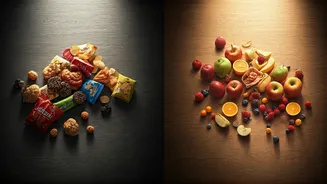
Many snacks marketed as 'healthy' are surprisingly calorie-dense and lack the nutrients that signal fullness to your brain. Think of store-bought smoothies packed with sugar, granola bars that are closer to candy, or oversized portions of trail mix. Just because a food is natural or organic doesn't mean the calories don't count. These ultra-processed versions of health foods are often engineered to be hyper-palatable, which makes them easy to overeat. Studies have shown that a high intake of ultra-processed foods is linked to increased body fat and even reduced muscle mass over time. They can cause sharp spikes and crashes in blood sugar, leading to more cravings and a vicious cycle of snacking.
The Power of Protein and Fibre
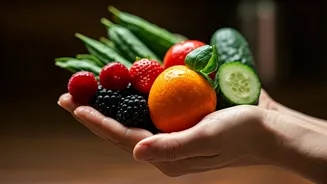
The secret to a successful snack lies in two key nutrients: protein and fibre. A snack's purpose should be to bridge the gap between meals, stabilize energy levels, and manage hunger. Protein and fibre are the perfect duo for this job. Protein is highly satiating, meaning it helps you feel full and satisfied. It's also essential for repairing and building muscle, which is crucial for improving body composition. Fibre slows down digestion, preventing those dreaded blood sugar spikes and keeping you feeling full for longer. A snack that combines both—like Greek yogurt with berries or an apple with peanut butter—provides sustained energy and helps control your appetite, preventing overeating at your next meal.
Snacking with Intention, Not Habit
To break the cycle of mindless grazing, the first step is to create awareness. Before reaching for a snack, pause and ask yourself: Am I genuinely hungry, or am I just bored, stressed, or procrastinating? If it’s not true hunger, try having a glass of water or going for a short walk first. If you are hungry, plan your snack. Intentional snacking involves choosing a specific food, eating it in a sensible portion, and doing so without distractions like your phone or laptop. This practice of mindful eating helps your brain register that you've eaten, leading to greater satisfaction from smaller amounts of food. Rather than letting snacks happen to you, make them a deliberate part of your nutrition strategy.
Smart, Satisfying Snack Swaps
Making better choices doesn't have to be complicated. It's about simple swaps that boost protein and fibre. Instead of a sugary granola bar, try a small bowl of plain Greek yogurt with a handful of berries. Swap fruit juice, which is high in sugar and lacks fibre, for a whole apple or pear. Instead of eating a large bag of mixed nuts, have a small, measured portion of almonds with a piece of cheese. Other excellent, satisfying options include hard-boiled eggs, roasted chickpeas, cottage cheese with fruit, or vegetables with hummus. These whole-food snacks are not only nutrient-dense but are also far more effective at keeping hunger at bay until your next proper meal.