







The Colonial Heart: A Free Walking Tour of District 1
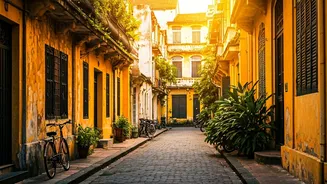
The best way to see Ho Chi Minh City is on foot, and the most history is packed into District 1, the city's historical and commercial core. A self-guided walking tour here is not only free but also the most intimate way to connect with the city's French
colonial past. Start your journey at the Saigon Opera House, an elegant example of French architecture. From there, it's a short stroll down the grand Nguyen Hue Walking Street. Your key stops, all within easy walking distance, should include the Saigon Central Post Office and the Notre Dame Cathedral. The Post Office, with its neo-Baroque facade and vintage maps painted on its walls, is still a functioning post office and costs nothing to enter. The nearby Notre Dame Cathedral, though it may be under renovation, remains a photogenic marvel built with materials imported from France. This entire loop can be done in a couple of hours and costs nothing but your time.
Cholon: A Dive into the Bustling Chinatown
For a different flavour of history, head to District 5, also known as Cholon or the city’s Chinatown. This area has been a hub for Chinese-Vietnamese culture since the 1770s. The heart of Cholon is Binh Tay Market, a massive wholesale market where you can witness local commerce in full swing. While the market itself is an experience, the real historical gems are the temples. Thien Hau Pagoda, dedicated to the sea goddess Mazu, is a must-visit. Its intricate design and the fragrant, spiralling incense coils hanging from the ceiling create a serene atmosphere that feels worlds away from the city's bustle. Exploring these pagodas and wandering the alleys is completely free, offering a rich cultural experience without any expense.
Historical Sites with Low to No Entry Fees
Beyond the main architectural sights, several museums and pagodas offer deep historical insight for very little money. The War Remnants Museum, while a sobering experience, is essential for understanding Vietnam's recent history, and the entrance fee is minimal, around $1.50 USD. For a look at Vietnam's spiritual side, many pagodas like the Jade Emperor Pagoda in District 1 and the Quan Am Pagoda in Cholon are free to enter. These religious sites are not just tourist attractions but active places of worship, offering a peaceful and authentic glimpse into local life. Wandering through local markets like Ben Thanh Market is also a free activity that provides a sensory overload and a look at local life.
Fuel Your Exploration: Street Food on a Dime
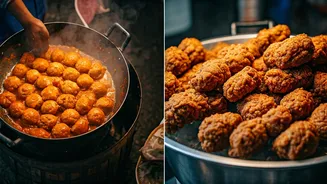
Exploring can build up an appetite, and thankfully, Ho Chi Minh City is a street food paradise where you can eat like royalty for just a few dollars a day. A daily food budget of $5-$10 is completely realistic if you stick to street vendors and local eateries. A classic Banh Mi sandwich, a crispy baguette filled with pâté, meats, and fresh vegetables, can be found for as little as $0.80-$1.40. A steaming bowl of Pho, the iconic Vietnamese noodle soup, will set you back about $1.80-$2.80 at a neighbourhood shop. Look for the stalls with small plastic stools crowded with locals—it's a sure sign that the food is both delicious and affordable. You can easily have three full, authentic meals for under $8.
Getting Around for Less
While much of the historic core is walkable, you may need to cover longer distances. Public transport is incredibly cheap. City buses are an effective way to travel between districts, with fares typically under $1 USD. Ride-hailing apps for motorbike taxis (known as 'xe om') or cars are also widely available and offer a very affordable and convenient way to navigate the city. A short ride across District 1 will rarely cost more than a couple of dollars. For the truly adventurous and budget-conscious, walking remains the best option, allowing for the serendipitous discovery of hidden alleys, vibrant street art, and local life that you would otherwise miss.